


























(Singapore, 14.09.2026)China’s widening tax crackdown on offshore wealth is creating a new concern for Hong Kong investors, as tighter rules on trusts used by wealthy entrepreneurs raise the possibility that more company founders could sell shares to meet tax obligations.
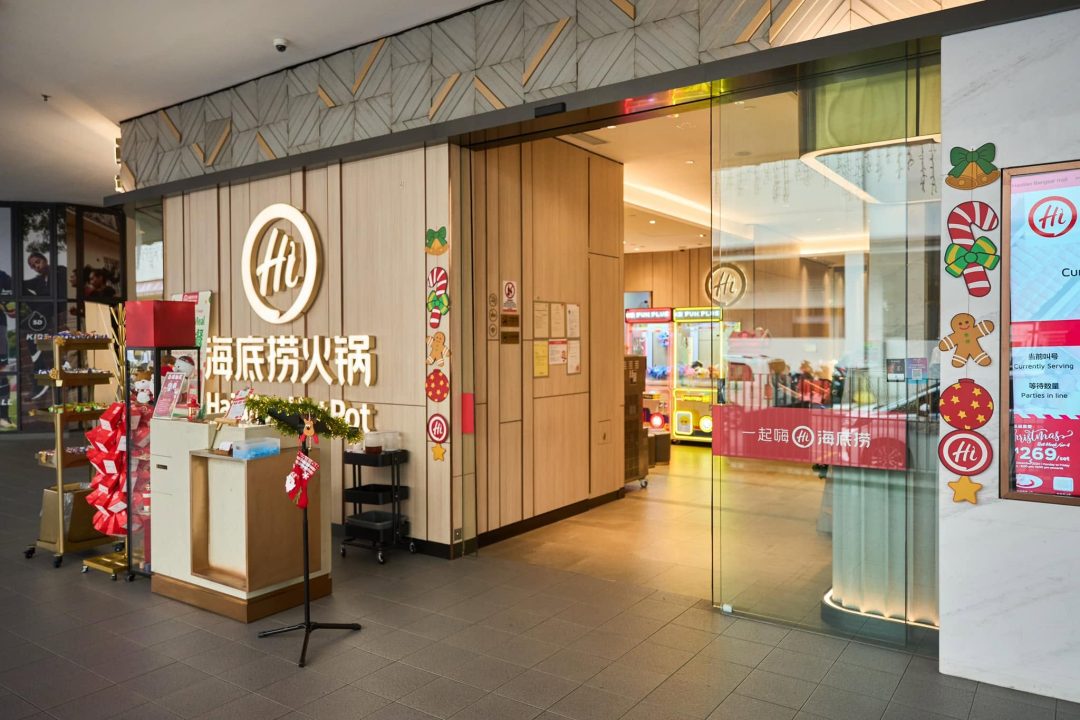
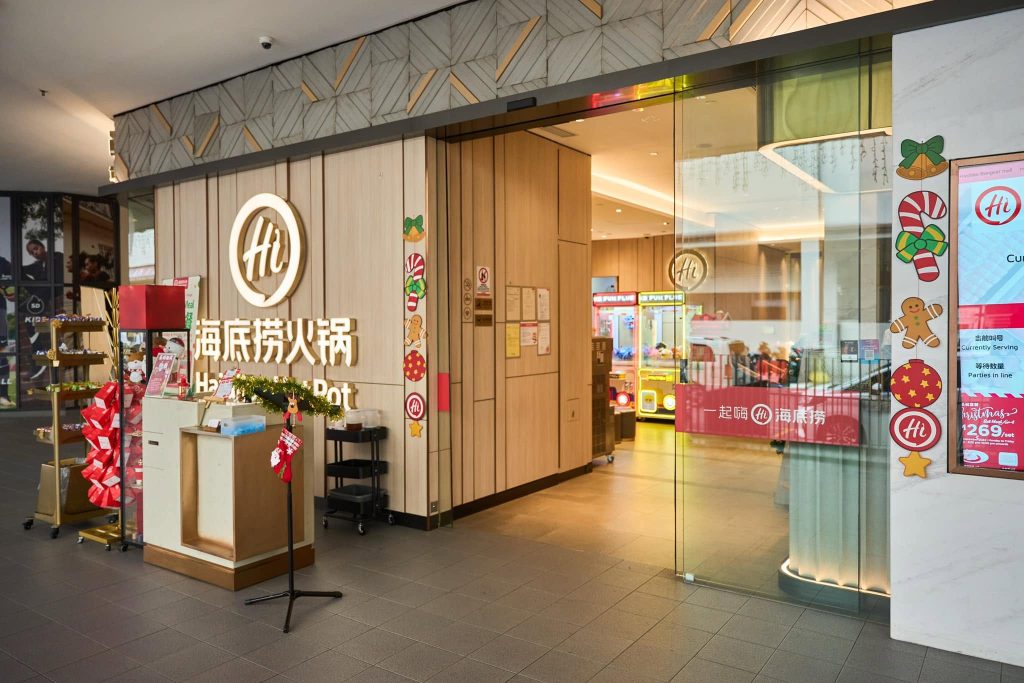
The issue came into focus after Haidilao International Holding co-founder Shu Ping sold about US$350 million (S$445 million) worth of shares in the hotpot chain last week. The disposal surprised investors and pushed Haidilao shares sharply lower, with the stock losing about 13% in the two trading days following the announcement and falling to its lowest level since March 2022.
Haidilao said in a filing that the sale was made to meet the shareholder’s funding needs and would not affect the company’s operations or financial position. The timing nevertheless attracted attention because China moved in late July to begin taxing offshore trusts established by its citizens, closing a structure that wealthy families have long used for asset protection and succession planning.
Affected owners have been given a 90-day grace period ending Oct 22 to settle outstanding tax obligations without late-payment surcharges, creating what some advisers see as an incentive to resolve liabilities before the deadline.
Dong Yizhi, a lawyer at Shanghai-based Joint-Win Partners, told Bloomberg that business owners may view the current period as a rare transition window when conditions are likely to be more favourable, encouraging them to settle their tax obligations sooner rather than later.
Founder holdings come under scrutiny
The concern is now spreading to other Hong Kong-listed companies where founders or their families control large stakes through offshore trusts, including sportswear group Li Ning, smartphone maker Xiaomi and property developer Sunac China Holdings. There is no indication that the founders of these companies are planning to sell shares because of the tax changes.
At Li Ning, Viva Goods, a trust vehicle ultimately controlled by the founder’s family, owns about 19% of the company. Li Ning shares have fallen around 9% since Haidilao disclosed the latest transaction, although Morgan Stanley said investors may have overreacted to fears that the new offshore-trust tax treatment could trigger further selling. Viva Goods has continued buying Li Ning shares despite the changes.
Similar structures are found elsewhere in the market, with family trust vehicle Modern Leaves holding about 41% of tea chain Guming Holdings, while Smart Mobile Holdings, an entity controlled by Xiaomi founder Lei Jun, owns about 8.9% of Xiaomi.
Holding shares through an offshore trust does not automatically mean a founder needs to sell, as the size of any tax liability depends on factors including income and accumulated investment gains. For some of China’s wealthiest entrepreneurs, the amount owed could also be relatively small compared with their overall fortunes.
Still, Citigroup analysts said founder-controlled Chinese companies with offshore ownership structures could face a near-term market overhang if the new tax regime prompts some shareholders to raise cash. Large block trades are among the most liquid ways for founders to monetise part of their holdings, but such transactions can put immediate pressure on share prices.
Haidilao has become a particularly closely watched example because Shu’s husband, chairman and chief executive Zhang Yong, had purchased company shares only months earlier at prices more than 20% above the level at which she sold. Shu and Zhang control about half of Haidilao through discretionary trusts and holding companies, according to a company filing in May.
The potential for more founder selling adds another challenge for Hong Kong equities, where many major listed businesses remain closely controlled by their founders. The Hang Seng Index is down about 3% this year, having largely missed the artificial intelligence hardware rally while weak consumer spending and a subdued earnings outlook for major internet companies have weighed on sentiment.
Beijing widens hunt for tax revenue
The scrutiny of offshore trusts is part of a much broader effort by Beijing to tighten cross-border tax enforcement as the government looks for new sources of revenue following the prolonged property downturn.
Property-related revenue for Chinese local governments fell 48% over the five years through 2025, reducing a funding source that had long allowed local authorities to rely heavily on land sales. China’s personal income tax revenue increased 11.5% in 2025 to a record 1.62 trillion yuan (S$307 billion), but authorities have continued expanding enforcement into overseas investments, trusts and other structures popular among wealthy Chinese.
Some offshore trust beneficiaries have been asked to provide details of their assets, including dividend income and profits from share disposals. Authorities have also tightened scrutiny of overseas stock trading and cross-border investment channels, while banks and financial institutions serving mainland clients face greater compliance requirements.
The campaign has implications beyond individual investors because Hong Kong and Singapore have long been major centres for Chinese entrepreneurs seeking wealth management, estate planning and offshore investment services. Hong Kong recently overtook Switzerland to become the world’s largest cross-border wealth management hub, according to Boston Consulting Group, helped by the large pool of wealthy clients from mainland China.
The tougher enforcement comes as Chinese households, companies and institutions continue moving significant amounts of capital overseas, with the Institute of International Finance estimating that about US$807 billion (S$1.02 trillion) left the country last year, the highest on record.
For Hong Kong fund managers, the more immediate question is whether the Oct 22 deadline will prompt additional founder transactions. Yang Ruyi, a fund manager at Shanghai Prospect Investment Management, said investors may increasingly screen companies where founders hold substantial stakes through older offshore trusts, particularly those that have also received large dividend payments.
Dante Research founder Chen Da expects tax enforcement to become stricter as China reduces its reliance on revenue from land sales, potentially bringing more offshore wealth structures under scrutiny. Goldman Sachs analysts have also said recent meetings with clients showed growing concern about the broader impact of tougher tax enforcement on economic growth.
Attention will increasingly turn to company filings and block trades as the tax grace period approaches its Oct 22 deadline, particularly among Hong Kong-listed businesses with concentrated founder ownership. Li Ning, Guming and Xiaomi had not responded to Bloomberg’s requests for comment on the potential impact of the tax changes, while there has been no indication that their controlling shareholders plan disposals similar to Haidilao’s.