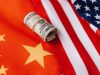























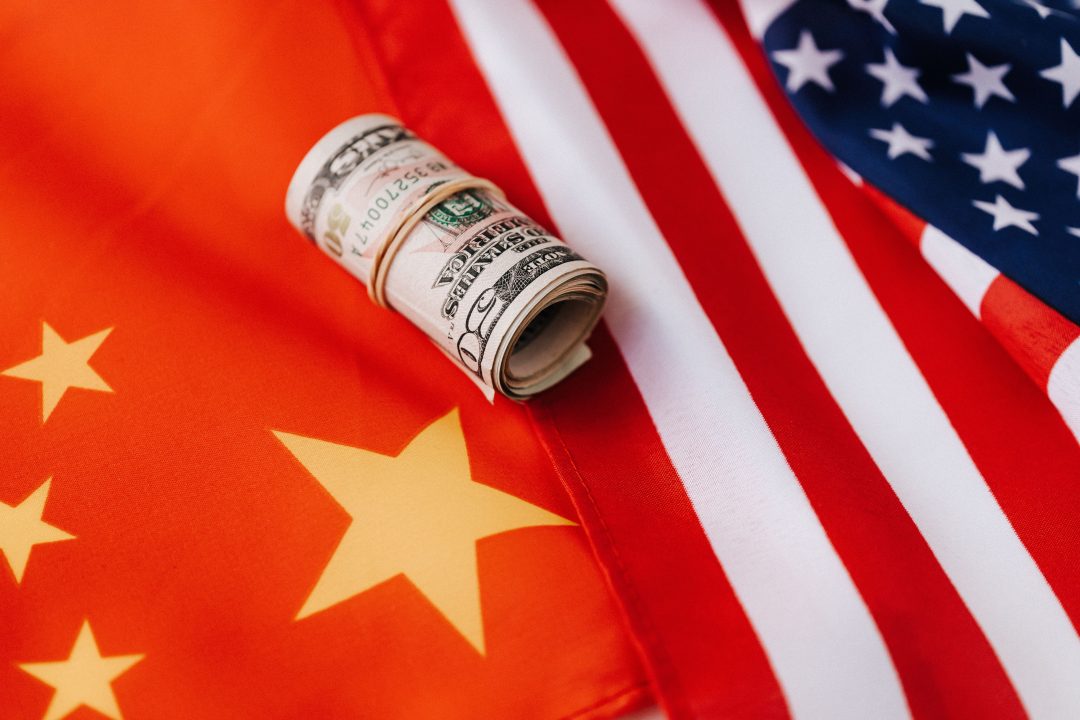
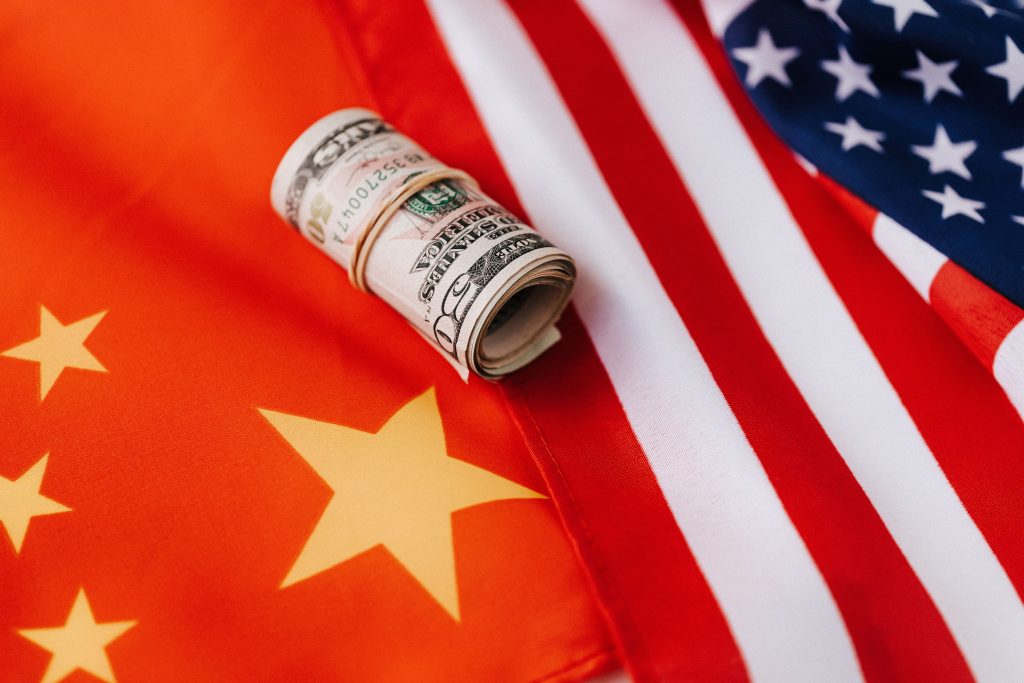
(Singapore, 28.09.2026)The United States and China plan to cut tariffs on about $60 billion worth of goods traded between them, including American farm products and medical equipment as well as Chinese toys and household appliances, following last week’s meeting in Washington between US President Donald Trump and Chinese President Xi Jinping.
Each side has selected roughly $30 billion worth of goods for more favourable treatment under a new bilateral Board of Trade. The reductions have yet to take effect and must first go through procedures required by each country’s laws. Neither government has specified how much every tariff will fall, although China’s commerce ministry said about 90% of the products covered would move to most-favoured-nation tariff rates, according to Bloomberg.
For China, the proposed cuts cover US exports including corn, wheat, sorghum, meat, dairy products, seafood, timber, cosmetics and medical devices. Soybeans, one of the most closely watched products in US-China agricultural trade, are absent from the lists. Beijing has made a separate commitment to buy 25 million metric tons of American soybeans annually through 2028.
The US list focuses largely on consumer goods imported from China. It includes toys, tableware, coffee makers, toasters, blankets, bed linen, children’s car seats and holiday decorations. If the reductions are implemented, lower import costs could ease some pressure on prices for those products, although any change at the checkout would also depend on retailers and other costs along the supply chain.
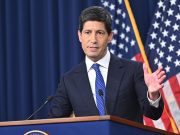
US Trade Representative Jamieson Greer said the arrangement would improve market access for products representing about 30% of US exports to China. The two governments have described the selected goods as “non-sensitive”, leaving more difficult trade disputes outside the immediate tariff plan.
The lists differ considerably in length. The US proposal covers 77 Chinese product entries, while China’s list spans 1,619 entries from the United States, according to Bloomberg. The $30 billion figure for each side is based on trade in 2024; the value of those same products traded fell in 2025 amid renewed tariff tensions.
The planned relief is a concrete result of the Trump-Xi summit, but it covers only a portion of trade between the two economies. Total bilateral goods trade was about $415 billion last year, Bloomberg reported. Disputes over export controls and other issues remain unresolved, even as the two governments make progress on goods they consider less sensitive.
Trade Truce Extended Into January
Washington and Beijing have also extended their trade truce by two months to January 10, giving both sides more time to review their existing arrangements and consider the next steps in negotiations. China’s commerce ministry said the extension would provide companies with a more stable and predictable environment.
The ministry said officials would hold regular discussions on investment opportunities and barriers, policy transparency and concerns raised by businesses. Both countries also plan to establish an agricultural working group, which is due to meet for the first time before the end of the year to discuss market access and regulation.
The agricultural tariff cuts could help China meet a separate commitment, described by the White House, to buy at least $17 billion in US farm goods each year through 2028. Grains and meat feature prominently on Beijing’s proposed list, although the scale of new purchases will depend on prices and demand as well as tariff levels.
The agreement also covers energy, with China pledging to import at least 10 million metric tons of US coal in each of 2027 and 2028, according to the White House. Coal is included in China’s tariff proposal, while oil and liquefied natural gas do not appear on the lists.
Beyond trade in goods, China said the two sides had agreed to set up a communication channel for incidents involving artificial intelligence and would hold further talks by the end of November. Beijing also said it would review applications from foreign financial services firms, including those with US investment, to operate and open branches in China, while discussions on increasing direct flights would continue.
Chinese stocks fell sharply on Monday as the tariff agreement did little to ease concerns about wider tensions between the two countries. Technology shares also came under pressure from a bipartisan US proposal to ban Chinese components from data centres, while the benchmark CSI 300 index dropped more than 2% to a one-year low.
The tariff cuts will take effect once both countries complete the required legal procedures. Neither side has announced a start date, leaving exporters and importers waiting to see when the lower rates will apply.