





















(Singapore, 30.09.2026)Abu Dhabi is preparing to spend tens of billions of dollars on ports, pipelines and other infrastructure as the United Arab Emirates seeks to reduce its dependence on the Strait of Hormuz, turning a $300 billion sovereign wealth fund into a key player in reshaping the region’s energy and trade routes.
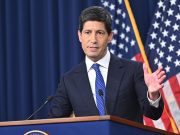
At the centre of the push is Abu Dhabi Crown Prince Sheikh Khaled bin Mohamed Al Nahyan, who took control of sovereign wealth fund L’imad shortly before the Iran war began. Months into the conflict, the fund is playing an increasingly important role in the UAE’s “Zero Hormuz” strategy, which aims to ensure that oil and other commodities can reach global markets even when the critical waterway is disrupted.
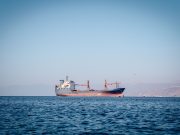
The urgency has increased as Iran’s blockade of the strait disrupted energy shipments and exposed the Gulf states’ dependence on one of the world’s most important shipping routes. Abu Dhabi is now expected to invest tens of billions of dollars in new port infrastructure outside Hormuz, according to people familiar with the plans.
One of the biggest moves involves Abu Dhabi Ports Co., which L’imad Holding plans to take private at a valuation of nearly $9 billion. The transaction comes as Abu Dhabi looks to expand alternative trade corridors and strengthen infrastructure around Fujairah, a UAE port city located outside the Strait of Hormuz with direct access to the Gulf of Oman.
Billions flow into alternative trade routes
L’imad’s infrastructure push is backed by some of the world’s biggest investors. In May, the fund reached an agreement with BlackRock, Singapore’s Temasek Holdings and state-owned Abu Dhabi National Oil Co., or Adnoc, to target as much as $30 billion of investment in energy transportation, logistics and water infrastructure.
The projects could eventually help Abu Dhabi move commodities ranging from oil and petrochemicals to aluminium without relying heavily on Hormuz. The UAE is already one of the world’s major energy exporters, making reliable access to international shipping routes critical to its economy.
The wider strategy extends beyond L’imad, with Adnoc building a second oil pipeline that would double export capacity through Fujairah, while Dubai-based port operator DP World is developing new container terminals in the city. Sheikh Khaled, who also chairs the executive committee of Adnoc’s board, directed the oil company in May to accelerate the pipeline project.
The push comes after the Iran war exposed vulnerabilities across Gulf energy infrastructure. Commercial vessels have faced missile and drone attacks in and around the Persian Gulf, while Fujairah itself has not escaped the conflict. Falling debris from an intercepted drone caused a major fire at the oil-trading hub in March.
Reducing reliance on Hormuz, however, will be expensive and difficult. Pipelines can redirect some crude oil exports, but transporting commodities such as natural gas and aluminium through alternative routes is more complicated. The UAE nevertheless has a geographical advantage over Qatar, which lacks a similar land-based alternative around the strait.
Saudi Arabia has faced similar challenges in its efforts to reduce reliance on Hormuz, with Crown Prince Mohammed bin Salman expanding a pipeline carrying oil to the Red Sea as an alternative export route, although attacks by pro-Iran militias recently forced the kingdom to temporarily shut the pipeline before shipments later resumed.
Sovereign wealth takes on a strategic role
The infrastructure drive is also changing how Abu Dhabi deploys its vast state wealth. L’imad became considerably larger after absorbing ADQ, a $260 billion wealth fund that had focused on infrastructure, supply chains, logistics, pharmaceuticals and food security. The enlarged L’imad is estimated to manage about $300 billion.
Chief Executive Jassem Bu Ataba Al Zaabi, sometimes described in financial circles as Abu Dhabi’s “Money Man,” is overseeing the fund’s investment strategy. He also chairs Abu Dhabi’s Department of Finance and helps coordinate strategy across state investment entities controlling about $2 trillion in assets.
Rather than finance all of the new infrastructure with government money, Abu Dhabi is seeking capital and expertise from international investors. The partnership with BlackRock and Temasek gives the emirate access to institutions with experience financing large infrastructure projects, while offering global investors exposure to assets such as ports that can generate long-term cash flows.
The strategy carries significant risks because moving infrastructure outside Hormuz does not necessarily move it beyond the reach of regional conflict. Analysts warn that ports and pipelines elsewhere in the UAE could remain vulnerable to drones and missiles, while the rise of Iran-backed Houthis near the Bab el-Mandeb has added uncertainty around another major shipping route connecting the Red Sea with global markets.
Abu Dhabi is pressing ahead with its investment plans while maintaining diplomatic engagement with Iran. Sheikh Khaled has taken a growing role in those efforts, including meeting Iranian President Masoud Pezeshkian on the sidelines of the BRICS summit in India, as Oman worked to bring Gulf countries and Iran together for discussions over the waterway.
For global investors, attention is now turning to how quickly Abu Dhabi can build alternative export infrastructure and whether those routes can remain operational as regional security risks spread beyond Hormuz. L’imad’s planned investments in ports, logistics and energy transportation are expected to put Sheikh Khaled and the fund at the centre of that effort, even as Iranian threats continue to hang over infrastructure across the Gulf.