



























(Singapore, 05.10.2026)Thailand is stepping up scrutiny of foreign-linked businesses and property ownership as growing frustration over the impact of overseas investors and long-stay visitors tests the country’s traditionally welcoming approach to tourism.
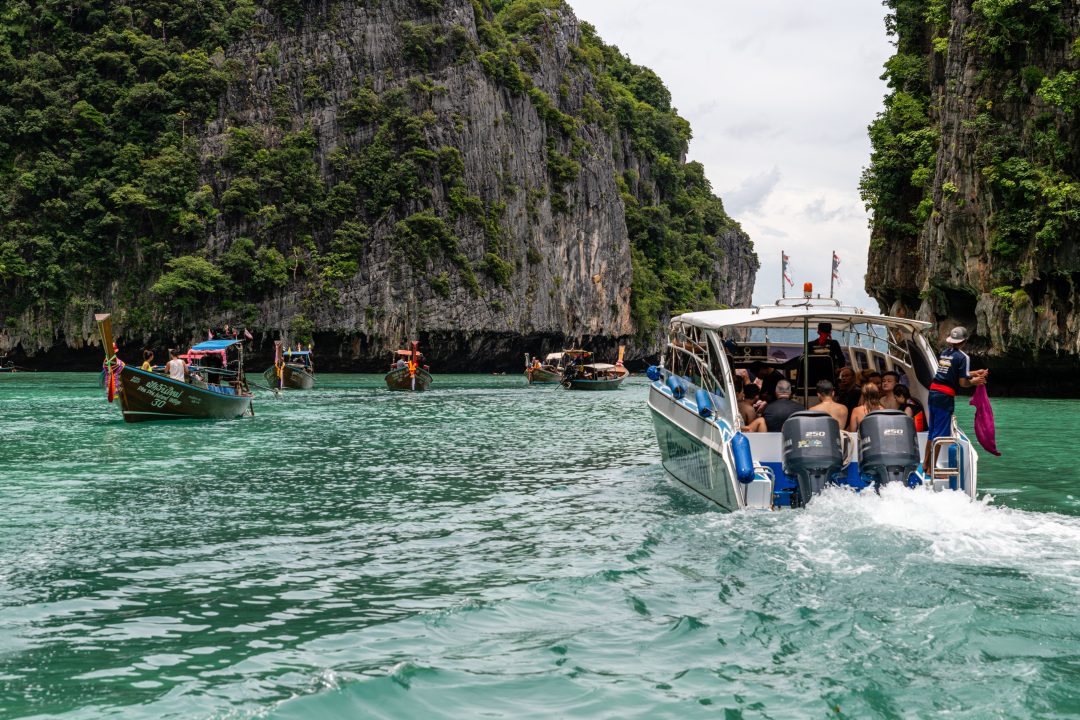
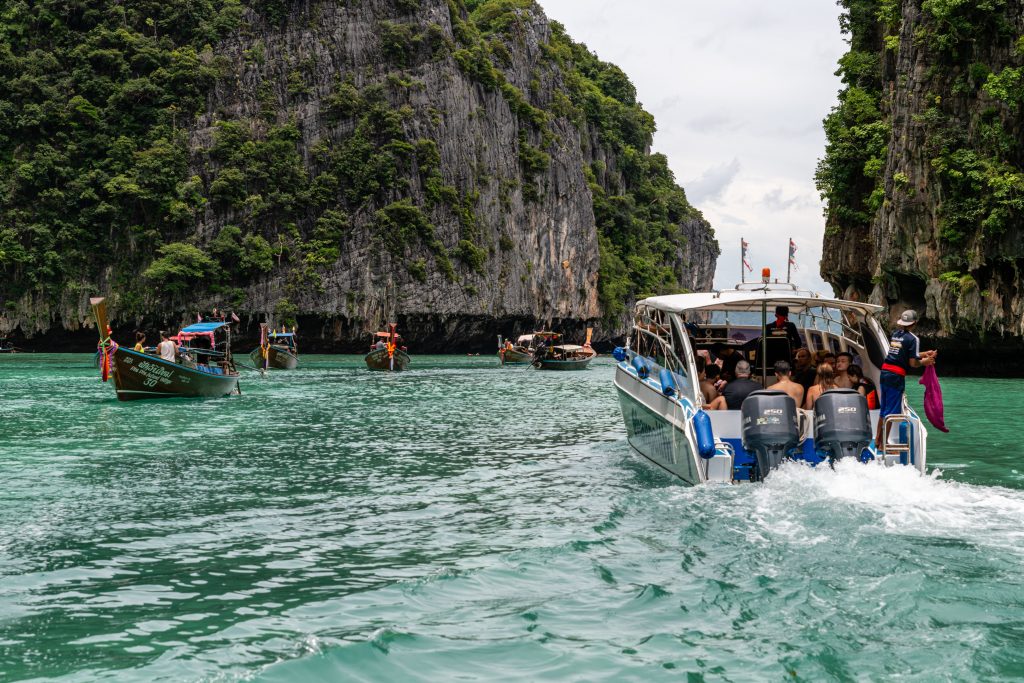
The concerns are particularly visible on popular southern islands such as Koh Phangan, Koh Samui and Phuket, where foreign investment has helped fuel rapid development. New villas, restaurants and tourism businesses have sprung up to serve international visitors, but some local residents fear that overseas interests are gaining too much influence over businesses, land and communities.
On Koh Phangan, an island with fewer than 10,000 residents but more than one million foreign visitors a year, luxury property developments have increasingly appeared along its hillsides. Local real estate investor Preecha Thongyad said the scale of construction has changed the island considerably, with green hills increasingly giving way to new villas.
The debate reflects a broader challenge for Thailand, which has spent decades building one of Asia’s biggest tourism industries through relatively easy entry rules, affordable travel and destinations ranging from tropical beaches to Bangkok’s nightlife and shopping.
Tourism now employs around four million people and contributes as much as one-fifth of Thailand’s gross domestic product. Yet the industry’s success has also created concerns about whether some foreigners are exploiting rules designed to protect local businesses and property ownership.
Government targets nominee ownership
Thailand restricts foreign majority ownership in several tourism-related businesses, including hotels and restaurants, unless investors receive permission or qualify for exemptions. Foreigners also face strict limits on owning land.
Authorities are increasingly targeting so-called nominee arrangements, in which Thai citizens appear on company documents as majority shareholders but have not genuinely invested in or controlled the business. Such structures can also be used to acquire land that foreigners would normally be prohibited from owning.
Government figures cited by Bloomberg show how widespread foreign participation has become in some tourism centres. Nearly 70% of about 16,800 companies registered on Koh Phangan and neighbouring Koh Samui have some foreign co-ownership, compared with about 12% nationwide. Authorities have identified more than 240 businesses across the two islands suspected of exploiting nominee arrangements, while thousands more are being investigated.
Prime Minister Anutin Charnvirakul’s government has expanded a crackdown known as the “Phangan model” into seven provinces. The operation has examined thousands of businesses with questionable foreign-Thai ownership structures and resulted in more than 110 arrests as well as dozens of warrants.
Immigration rules have also been tightened. Thailand last month reduced visa-free stays for most nationalities from 60 days to 30 days, partly to make it more difficult for foreigners to use tourist visas for long-term stays or business activities.
Officials are also investigating Thai professionals suspected of helping foreigners circumvent ownership rules. About 140 accountants at 29 firms are under examination after appearing as shareholders in more than 2,000 companies involving foreign investors, with a combined investment of 2.5 billion baht. One accountant alone was listed as a shareholder in 212 companies.
Similar concerns have emerged in Phuket, where large numbers of Russians arrived following Russia’s invasion of Ukraine in 2022. Russian restaurants, tour operators and other businesses have become increasingly visible in parts of the island, while villa sales have risen sharply since tourism recovered from the pandemic.
Foreigners hold shares in about 35% of roughly 32,000 companies registered in Phuket, with Russian, Chinese and British nationals among the leading foreign shareholders.
Tourism boom fuels local tensions
The economic concerns have increasingly become intertwined with wider public frustration over the behaviour of some foreign visitors.
Protests under the slogan “Take Back Thailand” have emerged amid complaints that some foreigners are using loopholes to stay in the country for extended periods, operate businesses or benefit economically without sufficiently contributing to local communities. Viral incidents involving tourists accused of disrespecting Thai residents have added to the anger.
On Koh Phangan, attention has recently focused heavily on Israeli visitors, whose numbers have grown rapidly. More than 400,000 Israelis travelled to Thailand in 2025, up 46% from the previous year, even as Thailand’s overall foreign arrivals fell 7%.
Some local businesses have complained that foreign-run accommodation and services increasingly cater mainly to their own communities, raising concerns that tourism revenue is not circulating sufficiently through the local economy.
However, academics caution against viewing the issue as being about one nationality. Jirayudh Sinthuphan, deputy director of the Institute of Asian Studies at Chulalongkorn University, told Bloomberg that Thailand has previously experienced similar concerns involving visitors and investors from China, Russia and India, suggesting the current tensions have accumulated over time.
The government has stressed that it is not seeking to shut out legitimate overseas investment. Deputy Interior Minister Polapee Suwunchwee said foreign investors remain welcome as long as they comply fully with Thai law.
Authorities have nevertheless intensified inspections of hotels and other businesses in major tourist destinations. Deportation rules were also tightened in late August, making it easier to remove foreigners considered threats to public order or those who break Thai law.
The challenge for Thailand is now to balance those concerns against an industry that remains vital to its economy.
With the monsoon season ending and the peak travel period approaching, the country’s southern islands are preparing for another influx of international visitors. For communities such as Koh Phangan, the debate is increasingly not about whether foreigners should be welcomed, but about what kind of tourism and investment will benefit local residents over the long term.
Naruemon Maisopa, president of the Koh Phangan Hotel & Tourism Association, said residents remain known for their hospitality but are becoming more selective about the people and business partners they welcome into their communities.