
























(Singapore, 01.10.2026)As Singapore expands solar power to reduce emissions and diversify its energy supply, a rapid shift towards rooftop panels in Pakistan is showing how cheaper electricity for consumers can also create financial pressure on the power stations and utilities that continue to support the grid.
According to Bloomberg, affordable Chinese solar panels are helping Pakistani households and businesses cut their electricity bills, but their growing use is reducing demand for grid power and making it harder for utilities to pay Chinese-backed coal plants.
Singapore is pursuing solar under different conditions, with an established power system and limited space for installations. Even so, Pakistan’s experience raises a relevant question for countries adopting cleaner energy: how should the wider electricity system adapt when more consumers begin generating their own power?
Singapore achieved 2 gigawatt-peak (GWp) of installed solar capacity in 2025 and has raised its target to 3 GWp by 2030. Rooftops account for more than 80% of existing capacity, according to the Energy Market Authority (EMA), making buildings an important part of the country’s energy transition.
Cheaper Power, Growing Financial Pressure
Pakistan’s transformation has been driven largely by consumers responding to expensive electricity, unreliable supply and falling solar equipment costs.
Solar accounted for about 20% of the country’s electricity generation in 2025, compared with roughly 3% at the start of the decade, Bloomberg reported, citing energy think tank Ember. Pakistan also became China’s third-largest solar export market last year.
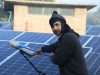
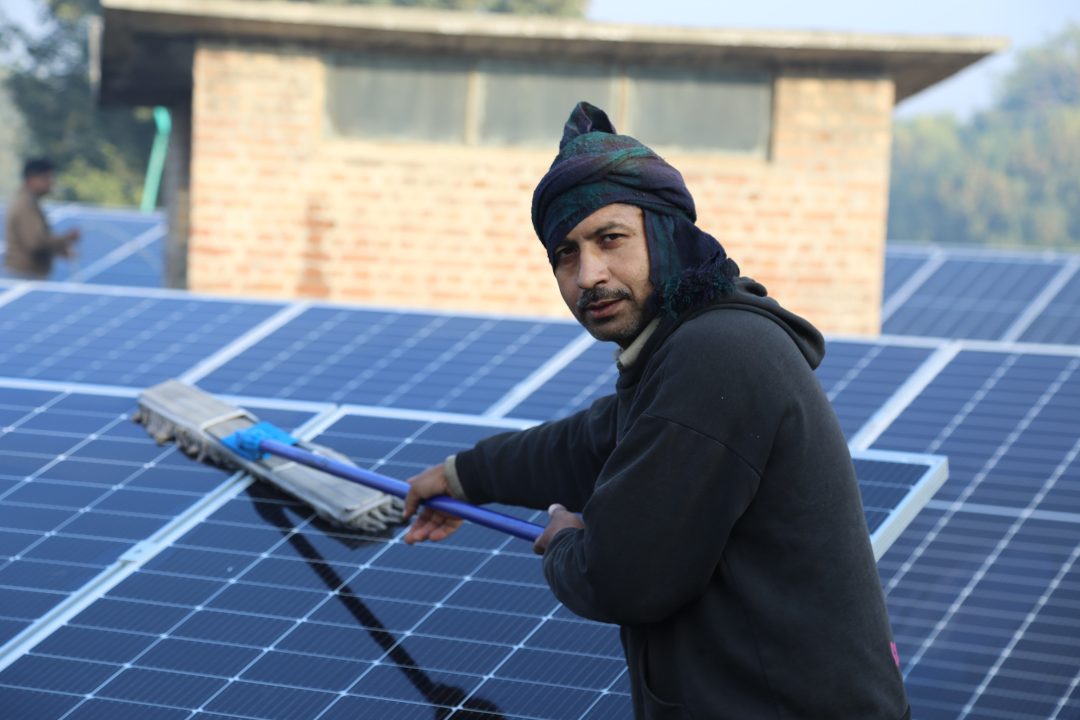
At Port Qasim, an industrial area near Karachi, solar panels now cover factories surrounding a Chinese-backed coal power station.
Packaging factory owner Zaheer Allana told Bloomberg that his panels supply about one-fifth of his factory’s electricity needs, producing power at less than one-third of the price of grid electricity. He would increase that share if more space were available.
For businesses, these savings can improve margins, while households gain a cheaper source of electricity and, in some underserved areas, better access to power.
However, the benefits for individual users have complicated the finances of the existing electricity system. Consumption across Pakistan’s electricity distribution companies was almost 12% lower in the year to July 2025 than in the same period three years earlier, according to regulator data cited by Bloomberg.
As customers buy less grid electricity, utilities collect less revenue, adding to their difficulties in paying power generators. Overdue payments to Chinese electricity plants built under Belt and Road cooperation exceeded US$1.5 billion as of August, Bloomberg reported, citing an official familiar with the matter.
Solar is adding pressure to a sector already affected by longstanding payment arrears and electricity tariff increases linked to International Monetary Fund loan programmes.
China is on both sides of this shift. Its companies supplied and financed coal plants intended to meet Pakistan’s electricity needs, while its manufacturers are now selling the panels and batteries that help consumers reduce their dependence on those plants.
Battery imports from China rose almost 150% in the first half of the year to about US$392 million, further supporting consumers’ ability to generate and store their own electricity.
What Singapore Can Take From the Shift
For Singapore, the comparison is most useful as a reminder that solar adoption affects more than the cost of panels or an individual electricity bill.
EMA says private commercial, industrial and residential solar deployment is rising, with lower panel costs helping shorten the payback period for some home systems to as little as five years.
As more users generate electricity during daylight hours, the amount and timing of power they draw from the grid can change. Pakistan’s experience suggests that energy planning needs to account for these changing consumption patterns alongside the financial commitments attached to existing infrastructure.
Solar also has practical limits, as a factory with rooftop panels may still need electricity from the grid at night or when solar output falls, so reliable power generation and grid services remain essential even as it buys less electricity during the day.
Singapore is addressing variable solar output through forecasting and energy storage. EMA has incorporated a solar forecasting model into its energy management system to anticipate changes in generation and uses storage technologies to help manage intermittency.
These measures support an energy transition in which solar operates alongside other sources. Singapore’s strategy combines solar, regional electricity connections, low-carbon alternatives and natural gas to maintain reliable supply as its energy mix changes.
In Pakistan, officials have imposed a tax on solar panel purchases and reduced payments for surplus electricity sold to the grid, while seeking longer repayment periods for power-sector debt owed to China.
Businesses are continuing to install panels despite those measures. At Al-Momin Packaging Industries in Port Qasim, solar already supplies as much as 40% of electricity needs, as the company seeks to reduce its exposure to expensive grid power.