






















(Singapore, 12.11.2026)Singapore has barred former Megaspeed International executive Alice Huang from re-entering the country and issued her a stern warning over inaccurate information given to investigators, as controversy surrounding Nvidia spills into US–China technology and trade relations.
The Ministry of Home Affairs said there was insufficient evidence to establish offences relating to suspected false declarations involving server purchases. It stressed that Huang had not been investigated for espionage.
The clarification comes as Nvidia faces a leadership upheaval. Jensen Huang resigned as chief executive on Thursday, with chief financial officer Colette Kress appointed interim CEO. Nvidia said it had no reason to believe company secrets or national security had been compromised, while an independent investigation continues.
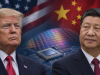
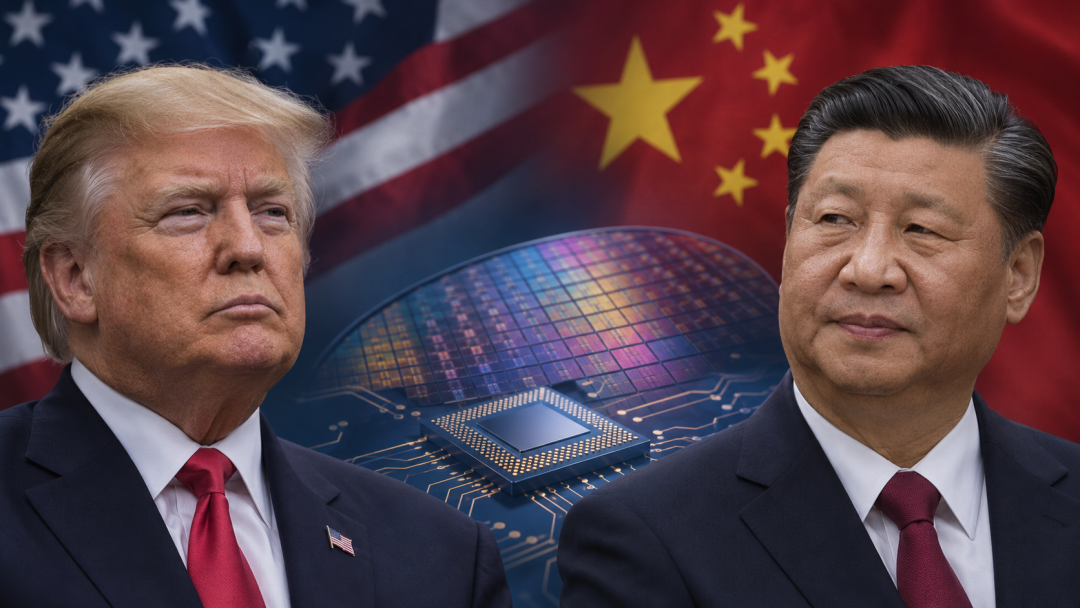
Bloomberg reported that the controversy was adding pressure to a yearlong trade truce between Washington and Beijing ahead of a planned meeting between US President Donald Trump and Chinese President Xi Jinping in Shenzhen next week.
Singapore distinguishes server probe from spying allegations
Singapore began its own investigation into Megaspeed and other companies in February 2025 over suspected false declarations involving server purchases and related offences. Alice Huang, also known as Huang Le, was among Megaspeed’s key controllers.
According to the ministry’s account reported by Bloomberg, investigators concluded in February this year that there was insufficient evidence to establish that she had committed offences concerning the suspected inaccurate declarations. They nevertheless found that she had knowingly supplied inaccurate information to understate her role in the company.
Her passport was returned on 26 February and she left Singapore that day. The ministry said she was a Hong Kong resident and had not been based in Singapore. Investigations into Megaspeed and six other individuals remain ongoing.
The distinction is significant because media reports have linked Alice Huang to allegations of Chinese intelligence activity. Beijing has denied those allegations, and Singapore’s findings do not establish that she was involved in espionage.
Megaspeed, a Singapore-based Nvidia cloud partner, has separately faced scrutiny over whether advanced computing equipment was diverted to China in breach of US restrictions. The company said on Thursday that it had cooperated with US inspections and engaged an American law firm to review its chip inventory and export-control compliance practices.
Singapore reiterated that businesses must not use their connections with the country to evade foreign export controls through deception. Its position remains that, while it does not enforce other countries’ unilateral export restrictions, it acts against fraud and violations of Singapore law.
Chip restrictions put trade diplomacy under pressure
Beyond the investigations, the controversy has strengthened calls in Washington for tighter controls on advanced semiconductor shipments to China, potentially complicating efforts to extend the bilateral trade truce, which expires in January.
Bloomberg reported that the agreement rests partly on Washington holding back additional technology restrictions while Beijing maintains supplies of critical minerals. Renewed pressure to tighten chip controls therefore touches a central element of the arrangement.
Among the measures under discussion is a rule extending restrictions to subsidiaries majority-owned by sanctioned companies. US lawmakers are also advancing legislation that would require the tracking of advanced processors through the supply chain to make unauthorised transfers harder.
The subsidiary measure, known as the 50% rule, has been suspended until January. Supporters in Washington see it as a way to prevent restricted companies from obtaining technology through affiliated businesses. Separately, the proposed Chip Security Act would require technology suppliers to physically track advanced processors, increasing scrutiny of intermediaries involved in their movement.
Jeff Moon, a former assistant US trade representative for China affairs, told Bloomberg that the controversy represented the first major test of the truce. If allegations of technology theft were substantiated, Washington would face pressure to respond, potentially colliding with its commitment to refrain from additional technology restrictions.
China has pushed back against any attempt to connect the allegations with broader restrictions on its technology sector. Foreign Ministry spokesperson Mao Ning said on Thursday that Washington should stop using claims of Chinese spying as grounds for further curbs, adding that China’s technological development depended on domestic innovation and international cooperation.
There was no immediate indication that the controversy would derail the trade truce. US Treasury Secretary Scott Bessent had highlighted progress in bilateral relations earlier in the week, although disagreements over the pace of Chinese rare-earth supplies were already straining the relationship.
Bessent and US Trade Representative Jamieson Greer had raised implementation concerns with Chinese Vice-Premier He Lifeng earlier this month. US officials say deliveries of the minerals, which are used in products ranging from mobile phones to military equipment, have fallen short of the expected volumes and pace. Bloomberg estimated that roughly US$500 billion in annual bilateral goods and services trade was at stake as the renewal deadline approached.
The planned Trump–Xi talks will take place around the Asia-Pacific Economic Cooperation gathering in Shenzhen. Preparations also include discussions about a possible meeting with Russian President Vladimir Putin. US Secretary of State Marco Rubio and Chinese Foreign Minister Wang Yi discussed the prospect on Wednesday, although no timing or location for a three-way summit was announced.
The diplomatic agenda therefore extends beyond trade, but any decision on additional chip restrictions could have an immediate bearing on efforts to preserve the economic truce.
Attention now turns to the planned Trump–Xi meeting, where signals on chip exports, critical minerals and the renewal of the truce will help determine whether the fallout remains contained or becomes a wider obstacle to trade cooperation.