

























(Singapore, 19.11.2026)In a city known for technological innovation, contemporary architecture and global commerce, some of Tokyo’s oldest businesses are finding new opportunities by adapting centuries-old craftsmanship to modern lifestyles and international markets.
From traditional folding screens to durable umbrellas and historic Japanese cuisine, the legacy of the Edo period (1603–1868) remains part of Tokyo’s economy and cultural identity.
These traditions are gaining renewed attention as the Edo-Tokyo Museum welcomes visitors following a four-year renovation, while longstanding businesses explore how heritage craftsmanship can remain commercially relevant in a changing world.
Bringing Tokyo’s History into the Present
The recently reopened Edo-Tokyo Museum offers visitors an immersive journey through the city’s transformation from Edo, the former seat of the Tokugawa shogunate, into one of the world’s leading metropolitan centres.
Having welcomed more than one million visitors since reopening, the museum uses life-size reconstructions, interactive exhibits and digital technology to illustrate how Tokyo’s residents lived, worked and traded across different historical periods.
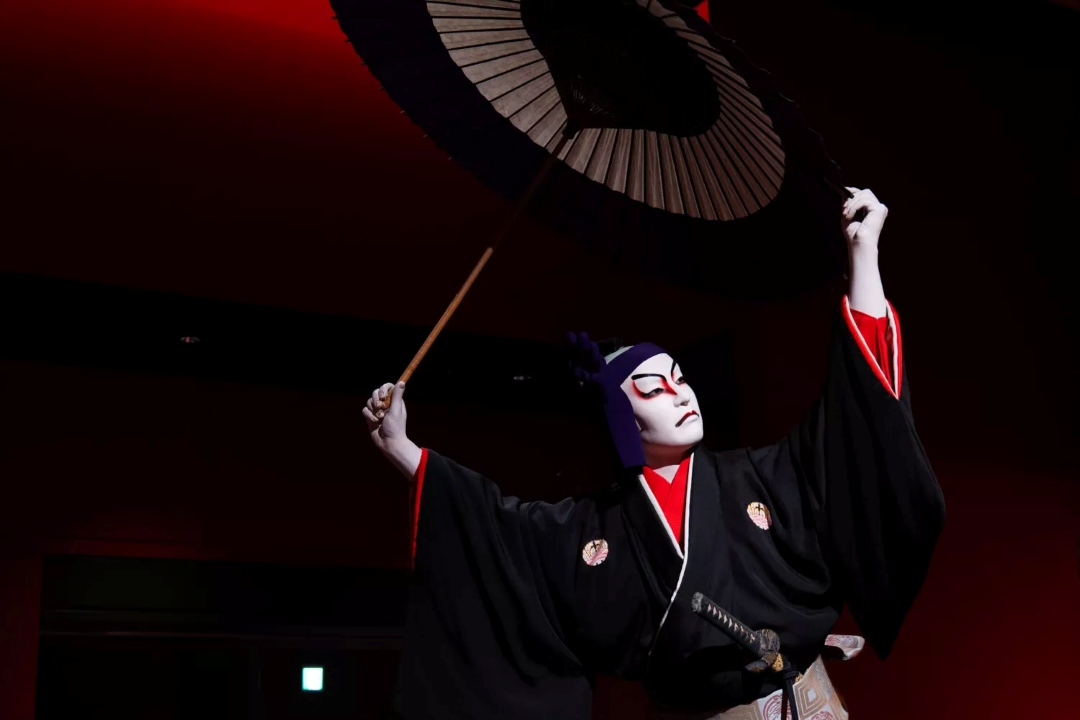
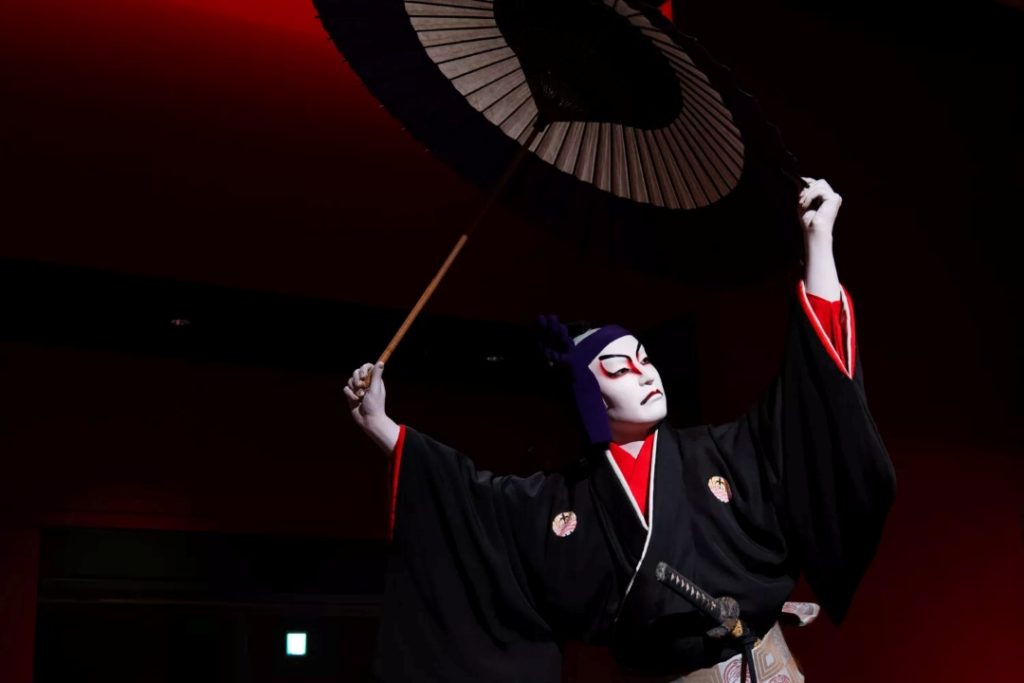
Visitors can walk across a reconstructed Nihonbashi Bridge, explore the Nakamura-za kabuki theatre and discover the homes, markets and food stalls that once characterised everyday life in Edo.
The museum also examines the city’s historical infrastructure, including its water supply systems and the distribution networks that brought food and essential goods into the growing urban centre.
Multilingual facilities, including smartphone-based audio guides in 13 languages, are designed to make these historical experiences accessible to international visitors.
Beyond presenting historical artefacts, the museum highlights the connections between Edo’s urban culture and contemporary Tokyo.
Traditional Crafts Find New Customers Overseas
While museums preserve the historical record, some of Tokyo’s traditional businesses continue to practise and adapt the craftsmanship inherited from earlier generations.
One example is Kataoka Byoubu, described as Tokyo’s only remaining specialist shop dedicated to traditional Japanese folding screens, known as byobu.
Operated by third-generation owner Kataoka Koto, the business produces screens using techniques traditionally associated with Japanese interiors, ceremonial settings and decorative art.
Rather than relying exclusively on conventional designs, Kataoka has introduced contemporary influences, including elements inspired by manga, anime and his personal interest in hip-hop culture.
The approach has helped the company reach customers beyond Japan.
According to the business, overseas buyers now account for approximately 30% of sales.
International customers are also introducing new ways of using folding screens, including displaying them as decorative wall features rather than conventional room dividers.
The experience illustrates how cultural products can find new commercial applications when traditional craftsmanship responds to changing consumer preferences.
For smaller heritage businesses, overseas demand offers an opportunity to reach customers who value distinctive design, handmade production and cultural authenticity.
A 300-Year-Old Business Reinvents the Everyday Umbrella
Another example of business adaptation is White Rose, a Japanese company whose origins date to 1721.
Originally established as a tobacco wholesaler during the Edo period, the business eventually moved into rainwear and is now managed by its tenth-generation owner, Sudo Tsukasa.
Its development reflects how a family business can survive across generations by changing its products while maintaining a commitment to craftsmanship.
Following the Second World War, Sudo’s father recognised the potential of vinyl materials imported from the United States and began developing transparent umbrellas.
The concept subsequently became widely adopted in Japan, where inexpensive clear umbrellas are now a familiar everyday product.
White Rose, however, has positioned its products around durability rather than disposable consumption.
The company provides repair services and replacement components, encouraging customers to extend the useful life of their umbrellas.
This approach connects traditional Japanese craftsmanship with contemporary concerns about product longevity, waste reduction and sustainable consumption.
White Rose has also been selected for the Edo Tokyo Kirari Project, an initiative that promotes Tokyo brands combining established craftsmanship with modern design and innovation.
Its experience demonstrates that business longevity does not necessarily depend on preserving the same products. Instead, the ability to adapt to changing markets while retaining distinctive production values can be central to survival.
Rediscovering the Origins of Japanese Cuisine
Tokyo’s cultural heritage also continues through food.
Many dishes now internationally associated with Japanese cuisine, including sushi, tempura, soba noodles and grilled eel, developed into popular forms during the Edo period.
Historical novelist and food researcher Kuruma Ukiyo has spent years reconstructing dishes from historical texts to better understand how ordinary people ate during that era.
Her research began while editing a book about Edo history and subsequently developed into an extensive project documenting traditional recipes.
To date, she has recreated more than 1,000 historical dishes, including all 100 recipes from Tofu Hyakuchin, a popular Edo-period cookbook devoted entirely to tofu.
Her work has attracted international interest as Japanese cuisine becomes increasingly familiar to consumers worldwide.
The renewed attention to Edo cuisine also highlights the relationship between food culture, tourism and cultural preservation.
At the Edo-Tokyo Museum, reconstructed sushi, soba and tempura stalls illustrate how foods once sold as everyday street meals eventually became part of Japan’s international culinary identity.
Preserving Cultural Identity in a Global City
For Richard Collasse, a French business executive and novelist who has spent decades in Japan, Tokyo’s appeal lies partly in its ability to maintain longstanding traditions alongside modern development.
Collasse has held senior leadership positions with international luxury brands, including Givenchy, Chanel and TASAKI, and has written 12 books in French and Japanese.
Appointed a Tokyo Tourism Ambassador in 2023, he has spoken about the importance of preserving local culture without reducing it to products designed solely for tourists.
His experience of Japanese community life, including participation in traditional neighbourhood fire-prevention processions, reflects how practices originating in the Edo period continue to influence daily life.
As Tokyo attracts international visitors and consumers, the challenge is to ensure that cultural traditions remain meaningful to local communities while becoming accessible to a wider audience.
The experiences of Kataoka Byoubu, White Rose and researchers of Edo cuisine suggest that preservation and innovation need not be competing objectives.
For heritage businesses, maintaining traditional skills while exploring new products, customers and markets can provide a pathway to commercial continuity.
Tokyo’s experience also raises a broader question for cities seeking to protect their cultural heritage: how can traditional industries remain economically viable without losing the qualities that make them distinctive?
From family-run workshops to internationally recognised cuisine, the continuing influence of Edo demonstrates that cultural heritage can remain a living part of a modern economy, rather than simply a collection of objects preserved in museums.