



























(Singapore, 04.05.2026)In a surprise move that could reshape the e-commerce and gaming retail landscape, GameStop Corp. has made a bold $56 billion (S$71.41 billion) bid to acquire eBay Inc., signaling an ambitious push by CEO Ryan Cohen to transform his company into a much larger digital commerce player.
The offer, valued at $125 (S$ 159.40) per share, combines cash and stock and represents about a 20% premium to eBay’s recent closing price. GameStop has already built a roughly 5% stake in eBay, showing that the proposal is part of a broader strategic plan rather than a sudden move.
A Bold Bet and Strategic Vision
The proposed takeover stands out for its scale. GameStop, with a market value of around $12 billion (S$15.30 billion), is attempting to acquire a company nearly four times its size. eBay, by comparison, is valued at approximately $46 billion (S$58.68 billion), making this an unusually ambitious deal in the mergers and acquisitions space.
Despite the premium offered, investor reaction has been cautious. eBay shares rose in early trading but remained below the offer price, suggesting doubts about whether the deal will go through. GameStop’s stock showed little change, reflecting uncertainty around financing and execution risks.
Cohen appears undeterred. He has indicated he is willing to take the offer directly to shareholders if eBay’s board does not engage, raising the possibility of a hostile takeover.
To support the acquisition, GameStop has secured a preliminary commitment for about $20 billion (S$25.52 billion) in debt financing from TD Bank. The rest of the deal would be funded through a mix of GameStop’s existing cash reserves, estimated at around $9 billion (S$11.45 billion), along with additional equity or external investment.
Cohen has also outlined plans to generate $2 billion (S$2.55 billion) in annual cost savings within the first year after closing the deal. He believes these efficiencies would improve profitability and strengthen the case for acquisition.
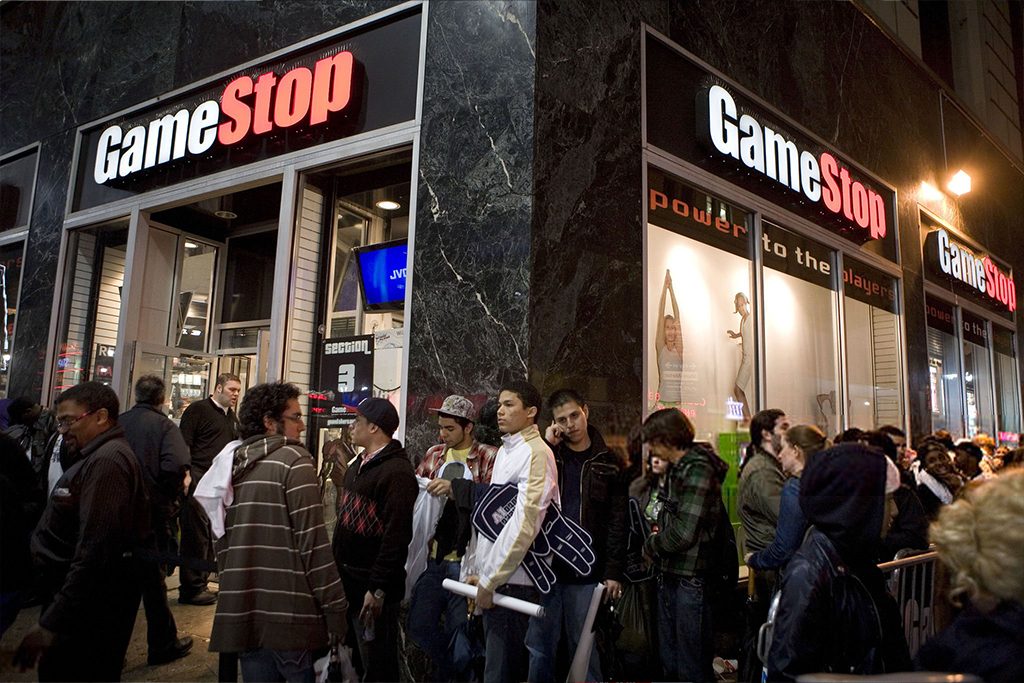
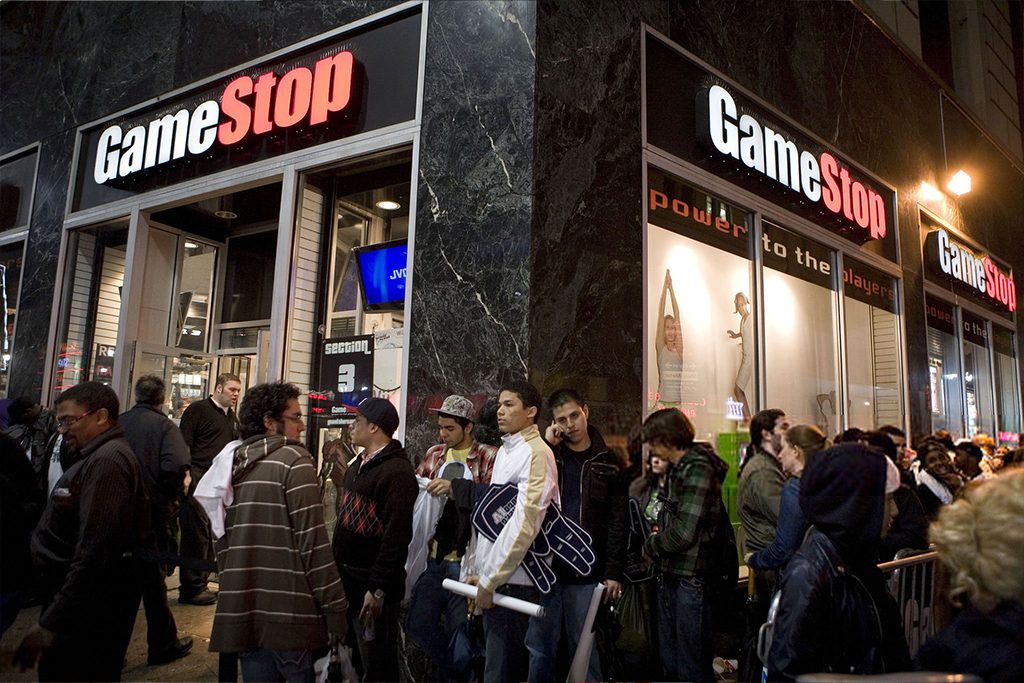
At the core of the proposal is a plan to combine two companies that are both adapting to changing consumer behavior. GameStop has been closing stores and shifting its focus toward collectibles, trading cards and digital initiatives as more gamers buy content online.
At the same time, eBay has been expanding into similar categories, including collectibles, second-hand goods and niche enthusiast markets. This overlap supports Cohen’s view that the two companies could benefit from integration.
He believes GameStop’s network of about 1,600 US stores could serve as physical hubs for eBay’s operations, supporting authentication services, logistics and live commerce. In his view, the combined company could become a serious competitor to Amazon.com Inc..
Uncertain Path Forward
eBay, founded in 1995 by Pierre Omidyar, remains one of the world’s largest online marketplaces. Over the past year, about 136 million users made purchases on the platform, with annual transaction volumes reaching roughly $80 billion (S$102.11 billion).
The company has been undergoing its own turnaround, focusing on higher value categories and improving user experience. Recent forecasts suggest steady growth, particularly in collectibles and automotive parts.
So far, eBay has not publicly responded to the takeover proposal. However, the cancellation of a scheduled media appearance by CEO Jamie Iannone shortly after the news broke has led to speculation that discussions may be taking place behind the scenes.
Analysts say the deal faces significant challenges. Acquiring a much larger company typically requires heavy borrowing or issuing large amounts of new shares. Both options could dilute existing investors and increase financial risk.
There are also concerns about execution. Integrating a physical retail network with a digital marketplace could prove complex and time-consuming.
GameStop’s transformation over the past five years adds another layer of interest. The company became a global phenomenon during the 2021 meme stock surge, driven by retail investors and supported early on by figures like Michael Burry.
Since then, Cohen has worked to reposition the company through cost cuts and new business initiatives. However, GameStop continues to face declining revenue as the gaming industry shifts toward digital distribution.
Whether the deal proceeds will depend largely on eBay’s response and GameStop’s ability to secure full financing. A rejection by eBay’s board could lead to a proxy fight, putting the decision in the hands of shareholders.
For now, the proposal highlights a dramatic shift in strategy for GameStop. Once known mainly as a struggling physical retailer, the company is now positioning itself as a potential consolidator in the global e-commerce market.