

























(Singapore, 03.06.2026)Elon Musk’s SpaceX is preparing for what could become the largest initial public offering (IPO) in history, with plans to raise approximately US$75 billion (S$96.2 billion) through a public listing that would value the company at around US$1.75 trillion to US$1.80 trillion (approximately S$2.30 trillion).
According to reports by Reuters and Bloomberg, SpaceX intends to sell 555.6 million shares at a fixed price of US$135 (S$173) per share, a move that breaks from the traditional IPO process and highlights investor confidence in one of the world’s most closely watched private companies.
If successful, the offering would more than double the previous record set by Saudi Aramco, which raised US$29.4 billion (S$37.7 billion) during its 2019 IPO.
In a departure from standard market practice, SpaceX is reportedly planning to set its IPO price before beginning formal investor roadshows.
Typically, companies going public provide a price range and adjust the final offering price based on investor demand during meetings with institutional investors. By choosing a fixed price from the outset, SpaceX is effectively taking a “take-it-or-leave-it” approach to potential investors.
Market observers say the strategy reflects the company’s strong position and the extraordinary level of anticipation surrounding the listing.
The investor roadshow is expected to begin this week, while the company could price the IPO as early as June 11 and start trading on Nasdaq under the ticker symbol “SPCX” shortly thereafter.
Betting on Musk and Future Growth
For many investors, the attraction extends beyond SpaceX’s current business operations.
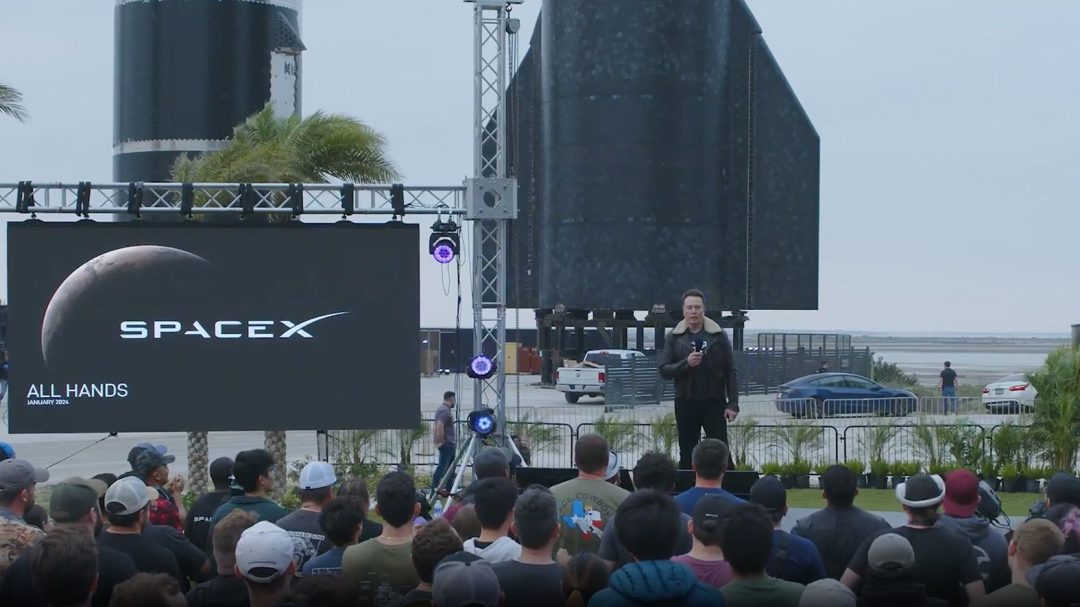
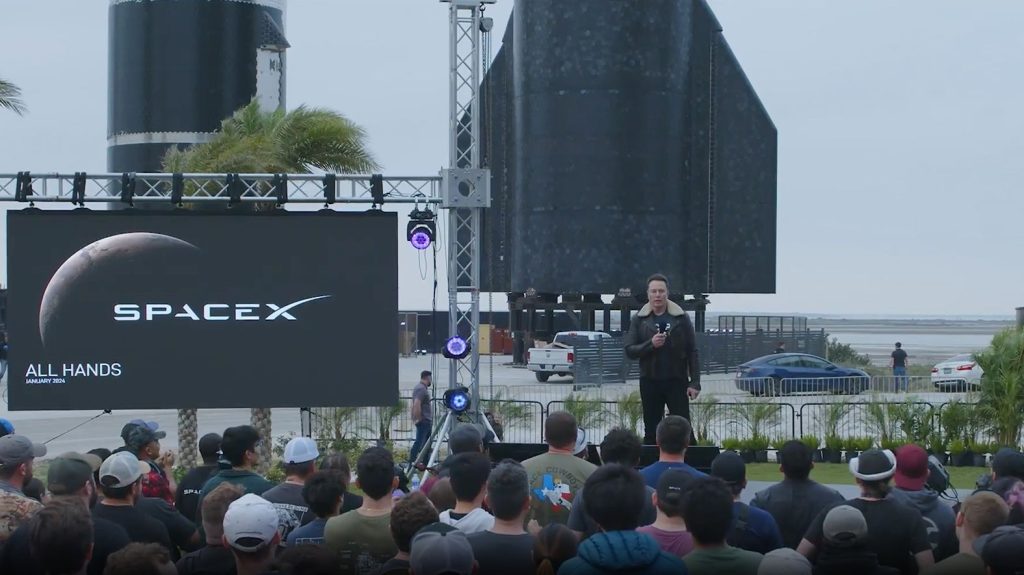
The company has become synonymous with Elon Musk’s vision of transforming industries ranging from space exploration and satellite communications to artificial intelligence and advanced computing infrastructure.
SpaceX’s growth story is largely built around its ambitions in emerging sectors that are still developing, including future Mars missions, AI-related computing services and even proposed space-based data centres powered by solar energy.
Earlier this year, SpaceX merged with Musk’s artificial intelligence startup xAI in a transaction that valued SpaceX at US$1 trillion and xAI at US$250 billion.
Funds raised from the IPO are expected to support the expansion of AI computing capabilities, satellite infrastructure and other long-term growth initiatives.
Another notable feature of the IPO is the significant participation expected from individual investors. Previous reports indicated that as much as 30% of the offering could be allocated to retail investors, an unusually large proportion for an IPO of this size.
Separately, SpaceX has reserved up to 5% of the shares for employees and selected friends and family members of senior executives through a directed share programme.
Unlike most IPO participants, individuals in this programme may not be subject to the same restrictions that normally prevent immediate share sales after listing.
Meanwhile, founder Elon Musk is expected to remain subject to an extended lock-up period and reportedly will be required to hold his shares for at least one year after the IPO, a move viewed as a sign of commitment to the company.
Risks, Valuation and a New IPO Wave
Despite its ambitious plans, analysts note that SpaceX’s current financial performance is heavily dependent on Starlink, its satellite internet business.
Starlink is widely regarded as the company’s primary source of revenue and profits, helping fund investments in other areas that are still in development.
Research firm Morningstar recently estimated SpaceX’s value at around US$780 billion (approximately S$1 trillion), significantly below the valuation being sought in the IPO. Much of Morningstar’s assessment was based on Starlink’s business performance.
The company’s financial results also show that profitability remains a challenge. Revenue increased to US$18.67 billion in 2025, but SpaceX reported a net loss of US$4.94 billion for the year, compared with a profit of US$791 million previously.
For the first quarter ended March 31, revenue rose to US$4.69 billion from US$4.07 billion a year earlier, while losses widened substantially.
Because of these losses, investors are largely valuing SpaceX based on future growth potential rather than current earnings. At the targeted valuation of US$1.75 trillion, SpaceX would trade at nearly 94 times its annual revenue, a level that some analysts consider expensive but not unprecedented for high-growth technology companies.
While investor enthusiasm remains strong, some experts have raised concerns about corporate governance. SpaceX plans to maintain a dual-class share structure that gives Musk and a small group of insiders significant voting control even after the company becomes publicly traded.
Critics argue that such arrangements can limit the influence of ordinary shareholders on corporate decisions.
The company has also disclosed several operational risks, including challenges related to water usage for AI data centres. As demand for artificial intelligence infrastructure grows, regulators and environmental groups have increasingly scrutinised the industry’s water and energy consumption.
Another newly disclosed agreement shows that SpaceX will provide AI computing services to AI startup Anthropic through a contract involving approximately 325,000 Nvidia chips. The deal is reportedly worth about US$1.25 billion per month and runs until 2029, although either party can terminate it after an initial period.
SpaceX’s listing is widely expected to signal the start of a new wave of mega-sized technology IPOs. Other highly valued artificial intelligence companies, including OpenAI and Anthropic, are also reportedly preparing for future public offerings.
Together, these companies could add several trillion dollars in market value to public markets over the coming years and intensify competition for investor capital.
Despite questions surrounding valuation and profitability, many market participants believe SpaceX’s combination of technological leadership, ambitious growth plans and Elon Musk’s influence could generate strong demand for shares.
As one of the most anticipated IPOs ever, SpaceX is attempting not only to break fundraising records but also to reshape how major technology companies approach public listings.