





















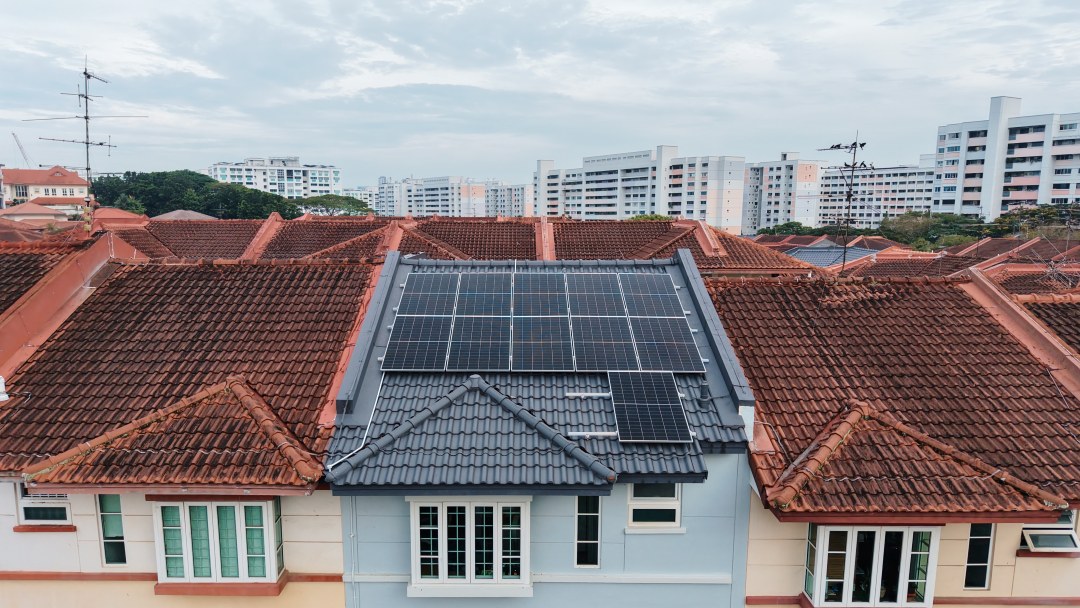
(Singapore, 10.07.2026) Singapore’s electricity prices have climbed to their highest level since 2014, reinforcing concerns over rising household energy costs and exposing the country’s continued vulnerability to fluctuations in global energy markets. Against this backdrop, rooftop solar is increasingly being viewed not merely as an environmental initiative, but as a practical strategy for long-term cost management and energy resilience.
For many years, residential solar installations were largely associated with sustainability-conscious homeowners seeking to reduce their carbon footprint. Today, however, that narrative is changing. Higher electricity tariffs, coupled with geopolitical uncertainties affecting global energy supplies, are prompting more Singaporeans to reconsider how they power their homes.
Rooftop Solar Is Becoming a Financial Decision
According to Kerr Sun, Director of Renewables at 9 Solar FinTech, homeowners are no longer approaching rooftop solar primarily from an environmental perspective.
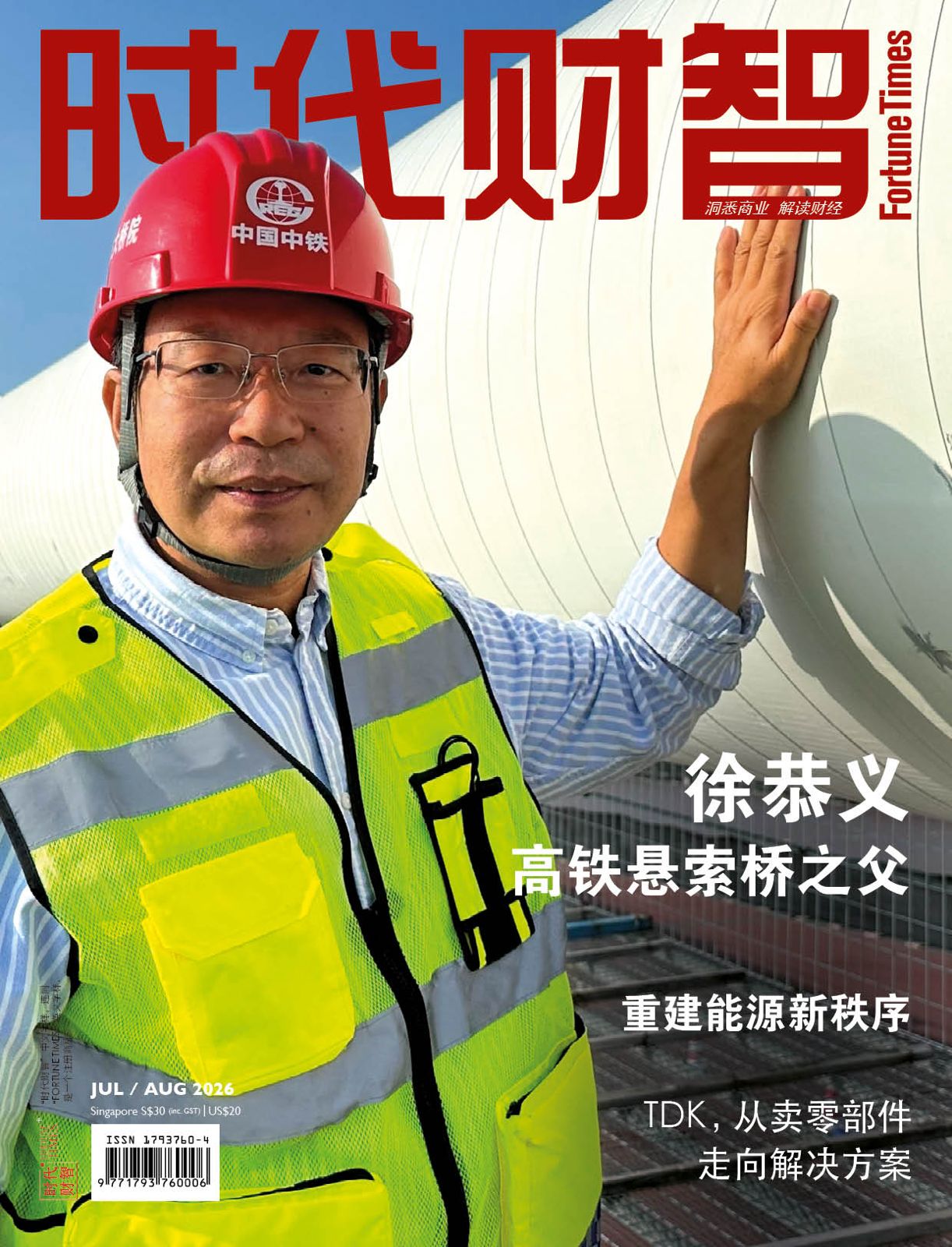
“Rising electricity prices have fundamentally changed the conversation,” he said in an interview with Fortune Times. “More homeowners now see rooftop solar as a long-term financial decision rather than simply a green initiative.”
He noted that customer enquiries have become increasingly sophisticated, with discussions centred on electricity savings, protection against future tariff increases and greater energy independence rather than sustainability alone.
“The focus has shifted towards financial resilience,” Kerr explained. “Homeowners want greater certainty over their future energy expenses and are looking for practical solutions that can shield them from rising electricity costs.”
The renewed interest comes as international events continue to underscore the interconnected nature of global energy markets. The recent conflict in the Middle East once again demonstrated how geopolitical instability can quickly translate into higher energy prices worldwide. For Singapore, which imports the vast majority of its energy resources, such developments inevitably influence domestic electricity prices.
Against this backdrop, residential rooftop solar has an increasingly important role to play in strengthening Singapore’s long-term energy resilience, Kerr said.
“Residential rooftop solar will not replace the national grid,” he said. “But it helps reduce reliance on imported energy, gives homeowners greater control over their electricity costs, and contributes to a more diversified energy mix.”
While each rooftop installation may appear modest on its own, Kerr said their collective contribution can have a meaningful impact on Singapore’s energy resilience.
“The more rooftops we utilise, the more resilient and sustainable our energy future becomes.”
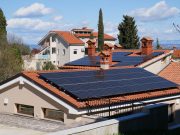
Given Singapore’s limited land availability, rooftop solar represents one of the country’s most practical opportunities to expand renewable energy generation without competing for scarce land resources. As more landed properties participate, distributed solar generation can complement the national grid while supporting Singapore’s broader decarbonisation ambitions.
From Green Initiative to Household Essential
Looking ahead, Kerr expects residential solar to become an increasingly common feature of landed homes over the next decade.
He believes rooftop solar will become an essential feature rather than a luxury. “As electricity prices continue to rise and homeowners develop a deeper understanding of sustainability, solar will increasingly be viewed as both an economic and environmental investment,” he said.
He also pointed to demographic shifts as another factor likely to accelerate adoption, noting that younger homeowners are placing greater emphasis on reducing carbon emissions and contributing to a more sustainable future.
To address one of the biggest barriers to adoption which high upfront installation costs, 9 Solar Home has introduced a zero-capex model that allows homeowners to install rooftop solar without any initial capital investment. Instead, customers simply pay a fixed rate of 19 cents per kWh for the solar electricity generated by the system.
Kerr described the zero-capex model as delivering value on multiple fronts. By removing the need for upfront capital investment, it enables homeowners to lower their electricity bills from day one while reducing exposure to future energy price volatility. Beyond household savings, wider adoption of rooftop solar contributes to Singapore’s decarbonisation efforts by lowering carbon emissions, while increased investment in residential solar is expected to create skilled jobs, stimulate green investment and further strengthen the country’s transition towards a sustainable economy.
“We believe clean energy should be accessible to more families,” Kerr said. “When homeowners can reduce their electricity bills without making a large upfront investment, everyone benefits from households and businesses to the environment and Singapore’s wider economy.”
As Singapore navigates an increasingly uncertain global energy landscape, rooftop solar is steadily evolving beyond its traditional role as a sustainability initiative. With electricity costs expected to remain a long-term concern, it is emerging as a strategic household asset which one that offers financial resilience while contributing to the nation’s broader energy security and clean energy transition.