



























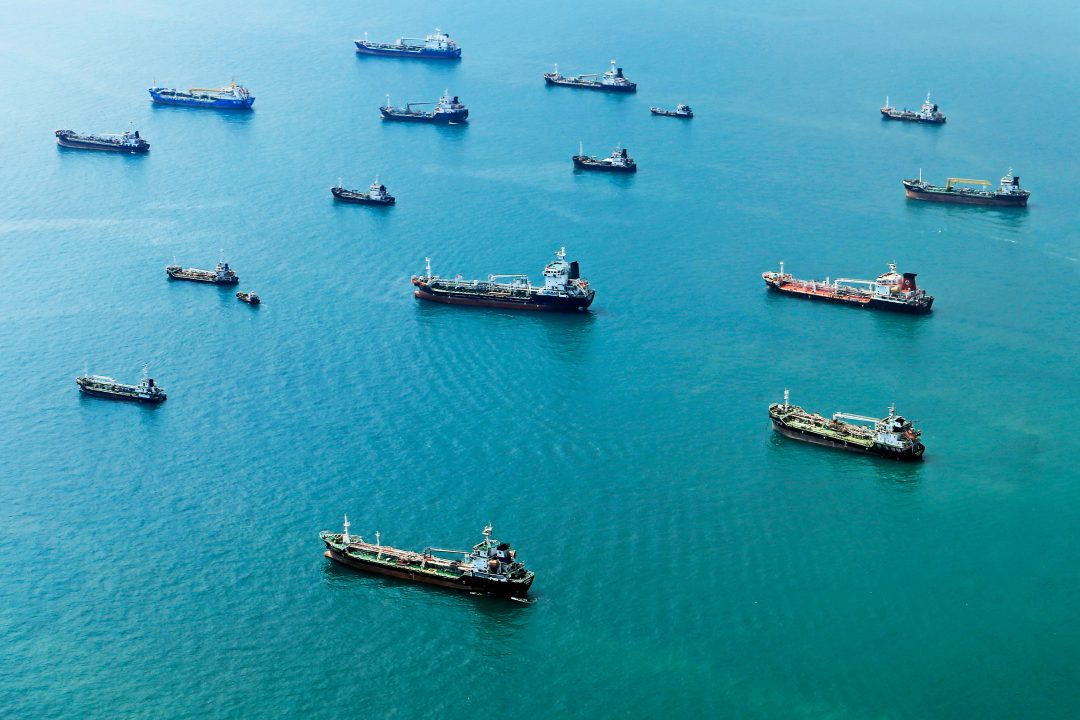
(Singapore, 16.07.2026)Iran has reportedly asked Yemen’s Houthi movement to prepare to close the Bab el-Mandeb Strait if the United States attacks Iranian power infrastructure, raising the risk that two of the Middle East’s most important energy routes could be disrupted at the same time.
Three sources told Reuters that the proposal had been discussed within Iran’s leadership and recently conveyed to the Houthis, although it was unclear whether the message came before or after US President Donald Trump threatened on Tuesday to strike Iranian power plants and bridges.
A source close to the Houthis said the group had completed preparations to attack shipping, deploying missiles and drones in areas overlooking the Bab el-Mandeb Strait, the Gulf of Aden and the port city of Hodeidah.
The group was now awaiting an order to begin operations, the source said.
Neither Iran’s foreign ministry nor the Houthis immediately responded to Reuters’ requests for comment.
The reported preparations mark a potentially dangerous expansion of the Middle East energy crisis.
The Strait of Hormuz, which carried about one-fifth of the world’s oil and liquefied natural gas supplies before the conflict began, is already largely closed following renewed fighting between Iran and the United States.
Bab el-Mandeb, meanwhile, serves as the gateway between the Red Sea and the Gulf of Aden. Since disruption began in Hormuz, more Gulf oil has been diverted through Saudi Arabia’s pipelines to Red Sea export terminals.
The Red Sea route now carries around 7% of global energy supplies, according to Reuters.
If shipping through Bab el-Mandeb is also seriously disrupted, the Middle East’s two main oil export corridors could be affected simultaneously, leaving producers and shipping companies with few practical alternatives.
Torbjorn Solvedt, principal Middle East analyst at Verisk Maplecroft, said the latest tensions involving the Houthis had come at a particularly difficult time.
If fighting spreads to Red Sea shipping and export infrastructure, he warned, it could threaten the region’s only major alternative route for energy exports.
Saudi Arabia has diverted about 70% of its energy exports through the Red Sea port of Yanbu following the disruption in Hormuz.
Any direct attacks on the port, nearby infrastructure or vessels using the route could place further pressure on global oil markets.
The risk is especially serious because shipping companies have already experienced the financial impact of Houthi attacks during the Gaza war.
At the time, major operators diverted vessels away from the Red Sea and around the southern tip of Africa, adding considerable distance, fuel costs and travel time to international shipping routes.
A renewed campaign could once again raise freight rates and insurance costs while delaying shipments of oil, fuel and other goods.
One regional source said Iran was seeking to raise the potential economic cost of US military action by threatening shipping in the Red Sea and the flow of Saudi oil exports.
The source said interrupting shipping through Bab el-Mandeb would not necessarily require highly advanced weapons, as even limited attacks could force vessels to avoid the area.
Iran considers the Houthis part of its regional “Axis of Resistance”, which also includes Lebanon’s Hezbollah and armed Shi’ite groups in Iraq.
The United States has accused Tehran of providing weapons, funding and training to the Houthis, although Iran denies the allegation.
The Houthis have not yet formally entered the latest US-Iran conflict, but their reported military preparations suggest they could open a new front if Washington targets Iran’s civilian infrastructure.
The warning comes as US and Iranian forces intensify attacks following the collapse of a fragile truce reached in June.
The United States launched two major waves of air strikes on Wednesday, mainly targeting military facilities near Iran’s southern coastline.
Washington said the strikes were aimed at weakening Iran’s ability to attack commercial shipping and control the Strait of Hormuz.
US forces also struck an empty tanker near Iran’s Kharg Island, the site of the country’s main oil export terminal. The US military said the vessel ignored several warnings as it moved towards an Iranian port.
Iran responded with missiles and drones targeting US military bases in neighbouring countries, including Jordan and Kuwait.
Jordan said it intercepted eight missiles, while Iran claimed one of the targeted bases had been used to launch attacks against its territory.
Tehran has insisted that the Strait of Hormuz will remain closed unless the United States accepts Iran’s rules for shipping through the waterway.
Iran wants vessels to travel through a channel closer to its coastline, seek its permission and potentially pay service fees.
Washington has instead encouraged ships to use an alternative route closer to Oman without coordinating with Tehran.
The disagreement has caused shipping activity through Hormuz to fall sharply.
According to RBC Capital Markets, the seven-day average of oil flows through the strait dropped to 3.9 million barrels per day from 4.6 million.
RBC analysts said traffic was unlikely to return to pre-war levels while shipowners continued to face the threat of mines, missiles, drones and possible Iranian passage fees.
Brent crude was trading at around US$85 a barrel on Thursday and had gained about 11% over the week as renewed hostilities raised concerns over energy supplies.
Prices, however, remained below their wartime peaks, suggesting traders still see a possibility that the crisis could ease before both export routes are fully disrupted.
One potential sign of de-escalation came when Iran released an American citizen who had been held in the country since December 2024.
Trump described the release as a “gesture of goodwill” and said Iran had indicated that it wanted to resume talks.
Iran has not publicly confirmed plans for new negotiations, but senior officials have continued to defend diplomacy despite pressure from hardliners.
Iranian parliament speaker and chief negotiator Mohammad Bagher Ghalibaf said negotiations should remain part of the country’s strategy alongside military strength.
He stopped short of formally abandoning the June agreement, although he warned that Iran had no reason to follow it if the country received no benefit.
For energy markets, the immediate concern is whether diplomatic contacts can prevent the conflict from spreading fully into the Red Sea.
With the Strait of Hormuz already largely shut, any order for the Houthis to disrupt Bab el-Mandeb would put two vital energy corridors at risk and deepen a crisis already affecting oil prices, shipping costs and global supply chains.