

























(Singapore, 23.06.2026)New Hurricane Informer 2026 from Safeture and Riskline is released recently and shows that Europe is increasingly being affected by extreme weather events.
Hurricanes, typhoons, and severe storm systems were long regarded as risks associated with distant travel destinations in the Caribbean or Asia. But those days are over. Extreme weather events are increasingly affecting regions previously considered comparatively safe, including parts of Europe and the Mediterranean. This is the conclusion of the new Hurricane Informer 2026, published jointly by Safeture – the largest security network in the travel security sector – and Riskline, one of the best-known companies specializing in travel risk analysis.
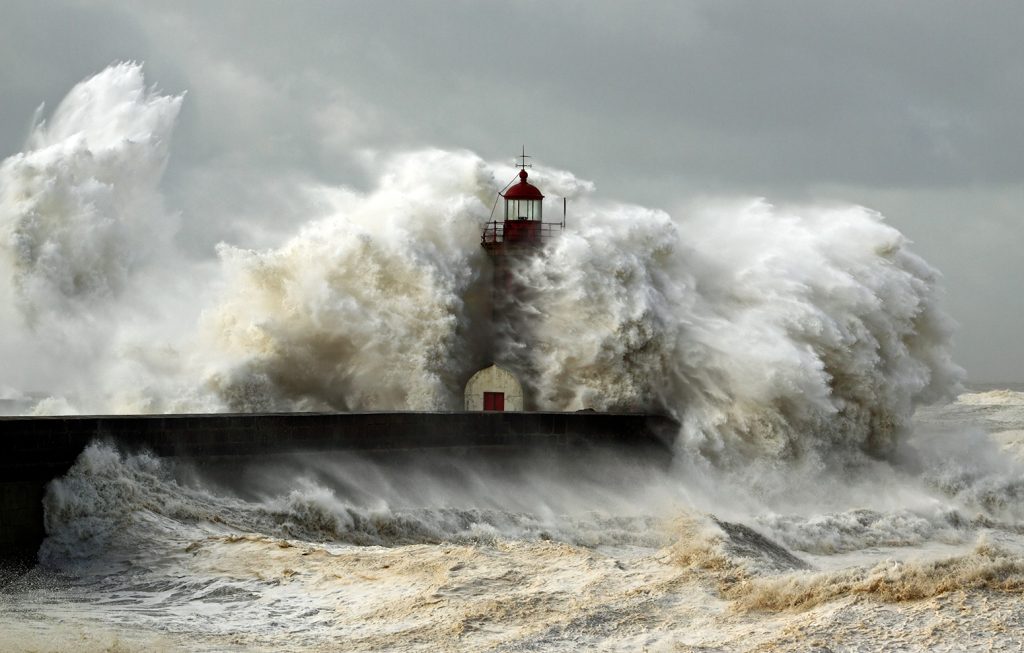
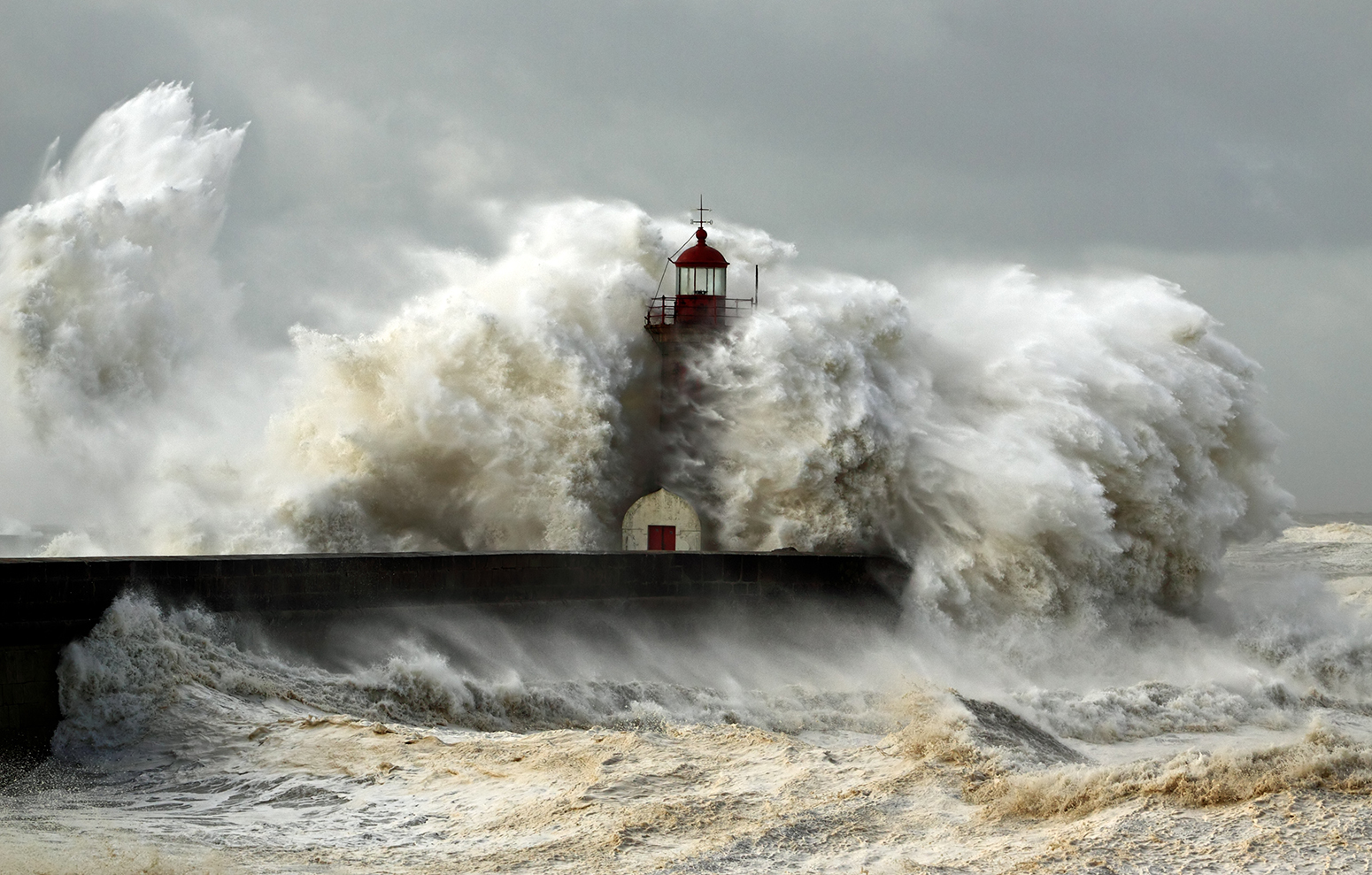
The analysis shows that rising sea temperatures and changing weather patterns are causing tropical and extratropical storms to occur increasingly outside their traditional areas of formation. There is also another risk factor: meteorological authorities expect a high probability of a very strong El Niño event between June and November. El Niño is a natural warming of surface waters in the tropical Pacific that influences global weather patterns and is often associated with higher average temperatures as well as changes in precipitation and storm activity. Combined with the long-term rise in sea temperatures, El Niño could further encourage the formation and intensification of extreme weather events.
Europe: New risk zones are emerging
Although Europe’s temperate climate continues to largely protect the continent from direct hurricane strikes, the effects of tropical storm systems are becoming increasingly noticeable. The remnants of tropical storms can cause heavy rainfall, flooding, and destructive wind gusts in Europe. At the same time, the number of so-called “medicanes” – Mediterranean tropical-like cyclones – is increasing.
The 2025/2026 storm season brought several exceptionally severe weather events across Southern and Western Europe. Storms Amy and Benjamin in October 2025, followed by Goretti and Leonardo in early 2026, caused significant disruption to road and rail transport. Fallen trees, local flooding and damaged infrastructure led to major restrictions in many areas. Following Storm Leonardo, thousands of people on the Iberian Peninsula were forced to leave their homes, while travel infrastructure remained disrupted for more than a week in some locations.
“Extreme weather events are increasingly developing into a global travel risk, including in regions that have rarely been associated with such risks in the past,” says Marcel Brandt, Chief Sales Officer at Safeture. “Preparation and rapid access to information are therefore becoming critical factors for safe and resilient mobility.”
Intensity and uncertainty are increasing worldwide
The traditional hurricane and typhoon regions continue to be particularly severely affected. During the 2025 season, a total of 13 named storms were recorded in the Caribbean, including five hurricanes and four major hurricanes. In Jamaica, Hurricane Melissa temporarily led to the suspension of air traffic. Parts of the United States, Mexico and Central America also continue to struggle with the consequences of particularly intense tropical cyclones in recent years.
In Asia, one of the world’s most exposed regions, several typhoons caused extensive damage. In the Philippines, a total of 297 people lost their lives following the successive impact of Typhoon Tino and Super Typhoon Uwan in November 2025. Hundreds of flights were canceled, and millions of people were affected by evacuation measures. Super Typhoon Sinlaku reached wind speeds of almost 300 kilometers per hour in early 2026 and is considered the strongest tropical cyclone of the year to date.
Recent months have also highlighted the increasing vulnerability of many destinations in Africa and Oceania. In Madagascar, Tropical Storms Fytia and Gezani claimed numerous lives and forced tens of thousands of people to flee their homes. In Papua New Guinea, Tropical Cyclone Maila caused severe damage to critical infrastructure and led to significant supply shortages.
Good preparation, monitoring current warnings, and maintaining flexible travel plans are becoming increasingly important for travelers.