


























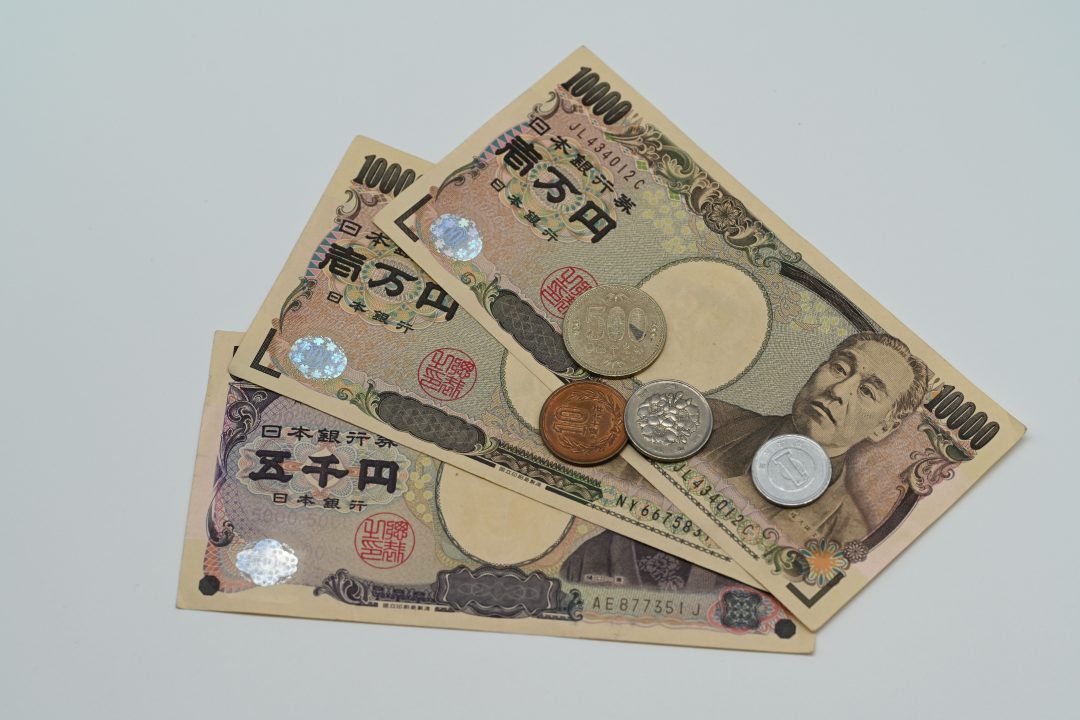
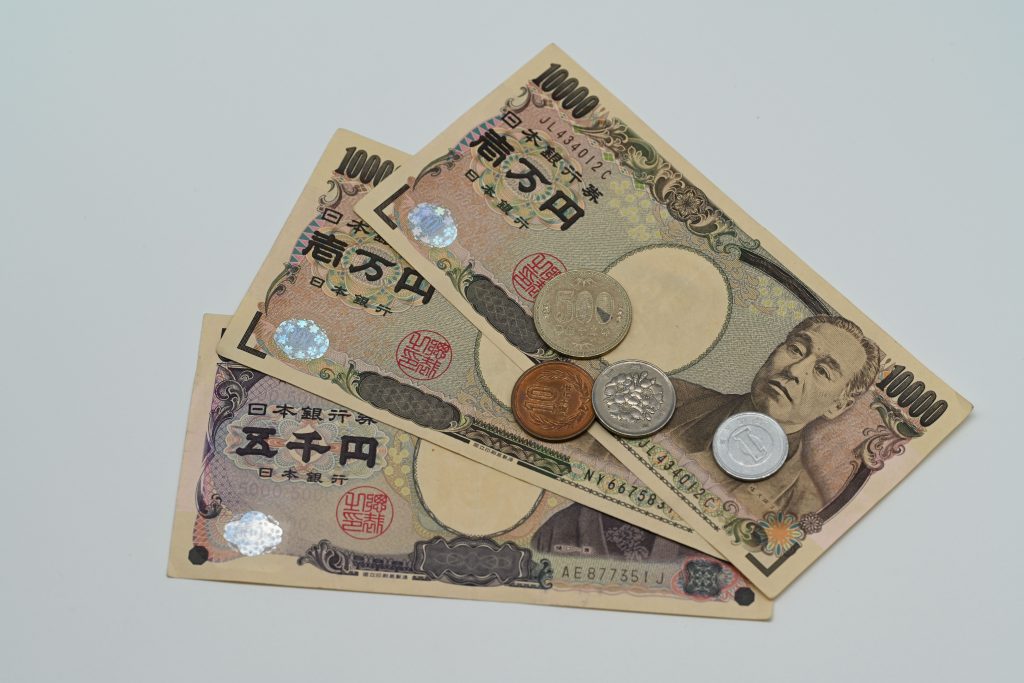
(Singapore, 04.08.2026)Japan and the United States are expected to step into the foreign exchange market again if the yen resumes its sharp decline, according to a former Bank of Japan (BOJ) official, highlighting growing cooperation between the two allies in defending the Japanese currency.
The comments came just days after Tokyo and Washington carried out a rare joint yen-buying intervention that helped the Japanese currency rebound from its weakest level in four decades.
The coordinated action marks an important shift in Japan’s long-running battle against a weak yen, with analysts saying US participation has significantly strengthened the credibility of future interventions.
Atsushi Takeuchi, a former BOJ official who was directly involved in Japan’s currency interventions between 2010 and 2012, said the latest operation had changed market sentiment by showing investors that policymakers are prepared to act together.
“If the yen shows signs of drifting lower, Japan and the United States will certainly intervene again,” Takeuchi told Reuters.
Takeuchi said the intervention’s biggest impact was psychological, demonstrating that Washington was fully prepared to back Tokyo in defending the yen. “The fact that the United States stood behind Japan and took action has huge symbolic meaning,” he said, adding that such support would likely discourage hedge funds from making fresh bets against the Japanese currency.
The yen climbed sharply after the coordinated intervention, strengthening to around 155.20 per US dollar, its strongest level in about three months, before easing slightly to around 157.60. That remains well above the nearly ¥164 per dollar level reached last month, the weakest exchange rate in about 40 years.
Takeuchi expects the yen to trade within a range of 155 to 162 per dollar in the near term. If the currency remains stronger than 160 for another week or more, he believes investors may start viewing that level as a new short-term floor.
Months of Coordination Behind Rare Intervention
According to Reuters, last week’s intervention was not a sudden decision but the result of months of close coordination between Tokyo and Washington.
Japanese Finance Minister Satsuki Katayama said she has spoken with US Treasury Secretary Scott Bessent around 10 times this year on issues including exchange rates. The two also held lengthy discussions during Bessent’s visit to Japan in May.
US support had reportedly been considered as early as January, when the Federal Reserve Bank of New York conducted rare market rate checks to assist Japan’s efforts to monitor the weakening yen.
For Japan, the weaker currency has driven up import prices, increasing living costs for households. For the United States, a weak yen reduces the effectiveness of President Donald Trump’s tariffs by making Japanese exports more competitive. Washington was also concerned that a sell-off in Japanese government bonds could spill over into the US Treasury market.
Those shared concerns helped bring the two countries closer together on exchange rate policy, an issue that has traditionally been diplomatically sensitive.
Japan is estimated to have spent as much as US$36.6 billion in its latest intervention, according to central bank data cited by Reuters. Combined with earlier operations this year, Tokyo has now spent more than US$100 billion defending the yen.
The coordinated intervention has also challenged the long-held market view that currency intervention produces only short-lived effects.
Bank of America analyst Shusuke Yamada said the latest operation could become an important turning point because it combined direct market intervention with closer policy coordination between the United States and Japan.
Rate Hikes Seen as Key to Long-Term Yen Stability
While currency intervention can help curb excessive market volatility, economists say it is unlikely to deliver a lasting recovery in the yen without continued support from monetary policy.
The BOJ raised its policy rate to 1% in June, the highest level in 31 years, as it continued unwinding years of ultra-loose monetary policy. Although it left rates unchanged at last week’s meeting, Governor Kazuo Ueda’s warning that the central bank must remain “more vigilant than ever” against upside inflation risks reinforced market expectations of another rate hike as early as September.
US Treasury Secretary Scott Bessent also welcomed Japan’s monetary tightening, saying Washington strongly supports the country’s efforts to address what it views as the yen’s substantial undervaluation.
Reuters reported that Bessent is expected to meet Ueda during the G20 finance ministers’ meeting later this month, just weeks before the BOJ’s next policy meeting in mid-September.
Several market analysts now believe another interest rate increase is becoming increasingly likely.
Naomi Muguruma, Chief Bond Strategist at Mitsubishi UFJ Morgan Stanley Securities, told Reuters that intervention alone only slows currency moves temporarily.
She said faster interest rate increases are probably needed to establish a more durable floor under the yen, adding that a September rate hike now appears highly likely.
Despite the success of the intervention, Takeuchi warned that Japan’s government must also address concerns over fiscal policy.
Markets have become increasingly worried that Prime Minister Sanae Takaichi’s economic agenda could lead to larger government spending while resisting further monetary tightening, raising doubts about Japan’s long-term fiscal discipline.
Those concerns helped push Japan’s 10-year government bond yield to its highest level in three decades last month.
Takeuchi believes that surge in Japanese bond yields was another reason the United States decided to support Japan’s intervention efforts.
“The recent sell-off in Japanese government bonds has been extraordinary,” he told Reuters.
He said Washington likely feared that continued instability in Japan’s bond market could spread to the US Treasury market, particularly as America is also facing growing fiscal challenges.
For now, investors appear reluctant to test Japanese authorities again. But with global markets remaining volatile, traders will be watching closely to see whether Washington and Tokyo are prepared to act together once more if renewed pressure on the yen emerges.