























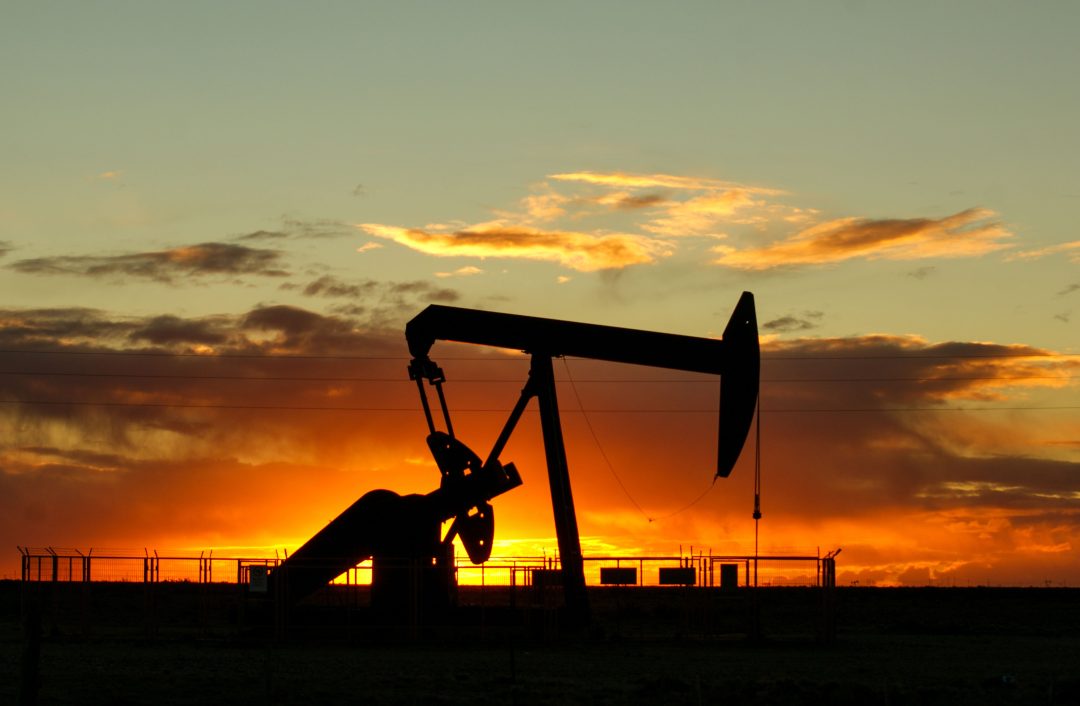
(Singapore, 20.07.2026)Oil prices retreated on Monday after Iran said it had received proposals from international mediators aimed at easing tensions with the United States, offsetting earlier gains driven by intensifying military clashes and renewed disruption to shipping through the Strait of Hormuz.
Brent crude briefly climbed above US$91 a barrel during Asian trading before falling back to around US$88 after Tehran confirmed diplomatic efforts were underway. The benchmark had earlier risen to its highest level in more than five weeks as the conflict entered its ninth consecutive day.
The Strait of Hormuz, through which about one-fifth of global oil and liquefied natural gas supplies normally pass, remains at the centre of the crisis. Shipping traffic through the narrow waterway has slowed to a near standstill following repeated attacks on commercial vessels, raising concerns over tighter global energy supplies.
Iranian Foreign Ministry spokesperson Esmail Baghaei said Tehran had received proposals from mediators in recent days, although he did not provide further details.
“The diplomatic apparatus has been active in recent days, and ideas from some mediators have been conveyed to the Islamic Republic of Iran,” he told reporters.
Qatar and Pakistan are among the countries seeking to mediate between Tehran and Washington.
The diplomatic remarks helped ease concerns in the oil market after prices surged earlier in the day on fears that the conflict could further disrupt energy exports from the Gulf.
The latest escalation came after the United States launched a ninth straight day of airstrikes on Iran, targeting military facilities and communications networks in an operation that lasted several hours early Monday.
Iran responded with attacks on US military assets across the Middle East, including bases in Kuwait, Jordan, Bahrain, Iraq and Syria, according to statements from both sides.
The renewed fighting has further weakened a temporary ceasefire reached last month, while negotiations over Iran’s nuclear programme and a broader peace agreement have effectively stalled.
US President Donald Trump defended the latest military campaign, saying the strikes were carried out in response to recent American military casualties.
“Those great patriots were out there fighting so that Iran cannot have a nuclear weapon,” Trump told reporters, adding that the latest attacks were conducted “in honor” of the service members who had been killed.
Iran’s Foreign Minister Abbas Araghchi said Tehran remained committed to diplomacy but would not return to negotiations while under military attack.
The conflict has also severely disrupted commercial shipping through the Strait of Hormuz.
Ship-tracking data showed only a handful of vessels attempting to transit the waterway on Monday. Several ships appeared to switch off their tracking systems while sailing close to Oman’s coastline, a practice increasingly adopted to reduce the risk of being targeted.
Iran’s navy said it had intercepted four unidentified vessels attempting to use what it described as an “unsafe route” through the strait after ignoring warnings. According to Iranian authorities, two vessels were forced to stop after being involved in incidents, while the other two turned back.
Separately, the United Kingdom Maritime Trade Operations (UKMTO) said a commercial vessel northwest of Oman’s Kumzar had caught fire after being struck by an unidentified projectile. The crew reported safe, but the vessel remained adrift.
Reuters separately reported that Iran’s Revolutionary Guards said two oil tankers had exploded after attempting to transit the strait through what it described as an unauthorised route. The report could not be independently verified.
The disruption to shipping has heightened concerns over global oil supplies, particularly as inventories remain tight.
According to JPMorgan Chase & Co., commercial oil stockpiles outside China are at record lows, leaving the global market with “little room for error” if supply disruptions continue.
Fresh supply concerns also emerged outside the Middle East after oil loading operations at the Caspian Pipeline Consortium’s export terminal on Russia’s Black Sea coast were suspended following drone attacks. The disruption came just days after a similar suspension over the weekend.
The surge in crude prices has already begun feeding into fuel costs.
The average price of regular gasoline in the United States rose above US$4 a gallon on Monday for the first time in a month, according to the American Automobile Association (AAA).
Fuel prices had fallen below that level in June following a temporary agreement between Washington and Tehran, but have climbed again amid renewed fighting. Higher crude prices, reduced Russian refining capacity, lower US fuel imports and tight gasoline inventories have all contributed to the increase.
The rise in fuel prices could add political pressure on Trump ahead of November’s congressional midterm elections, where inflation and living costs are expected to remain key issues for voters.
Meanwhile, the conflict has widened beyond oil facilities to include critical civilian infrastructure.
Kuwait said one of its desalination plants came under attack for a second consecutive day, triggering a fire at a facility that supplies drinking water to much of the country. Iran had earlier warned it would target desalination plants across the Gulf if the United States continued striking Iranian energy infrastructure.
The latest escalation came as Washington and Tehran continued to exchange military strikes while keeping diplomatic channels open.
US Secretary of State Marco Rubio said the United States would continue targeting Iran as long as it threatened commercial shipping through the Strait of Hormuz, but stressed that Washington remained willing to pursue a diplomatic solution.
Iran also signalled it was not ruling out negotiations. Baghaei said diplomacy remained one of Tehran’s tools to safeguard national interests, adding that proposals from mediators had been delivered to Iran in recent days, even as fighting continued across the region.