





















(Singapore, 15.07.2026)Oil prices extended their gains on Wednesday as renewed fighting between the United States and Iran raised fears of further disruption to global energy supplies, prompting countries to look for new ways to reduce their exposure to higher fuel and electricity costs.
Brent crude futures rose 0.8% to US$85.42 a barrel, while US West Texas Intermediate crude gained 0.9% to US$80.07, according to Reuters.
The increases followed a 2% jump on Tuesday, when oil prices settled at their highest level in a month amid worsening disruption in the Strait of Hormuz.
Before the Iran war began, about one-fifth of the world’s oil and liquefied natural gas passed through the narrow waterway, making it one of the most important energy shipping routes in the world.
The latest rise came after US President Donald Trump reimposed a naval blockade on ships entering and leaving Iranian ports.
Iran’s Islamic Revolutionary Guard Corps responded by warning that it could also block other export routes used by the United States and its allies.
“Regional energy exports are either shared by all, or denied to all,” the group said in a statement carried by Iran’s state news agency.
Analysts said Iran could also use its Houthi allies in Yemen to disrupt shipping through the Bab el-Mandeb Strait, which connects the Red Sea to the Gulf of Aden.
If both the Strait of Hormuz and Bab el-Mandeb are seriously affected, two of the world’s most important energy and trade routes could face simultaneous disruption.
The US military said it launched another round of strikes early Wednesday against Iranian capabilities used to attack commercial ships in the Strait of Hormuz.
Trump also indicated that Iranian energy facilities could eventually become targets, although he said they would be left until later.
The renewed blockade is tightening an already strained oil market.
UBS analyst Giovanni Staunovo said Iranian crude exports had reached around 1.5 million to 2 million barrels per day during the previous two weeks.
Goldman Sachs estimated that Gulf energy exports had recovered to more than 80% of their pre-war level following a US-Iran understanding in June.
However, exports fell below 50%, or around 11 million barrels per day, during the past week as fighting resumed.
The bank warned that Brent crude could rise above US$110 a barrel in the fourth quarter if the recovery in Gulf exports remains stalled.
Despite the risk of further price increases, investors remain cautious about adding too much of a geopolitical premium to oil prices.
Markets have become more careful in reacting to dramatic announcements because previous threats did not always result in lasting supply disruptions.
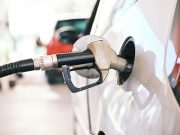
However, the latest conflict is already accelerating efforts by governments, businesses and consumers to reduce their dependence on fuel.
China: EV Taxis Cushion the Oil Shock
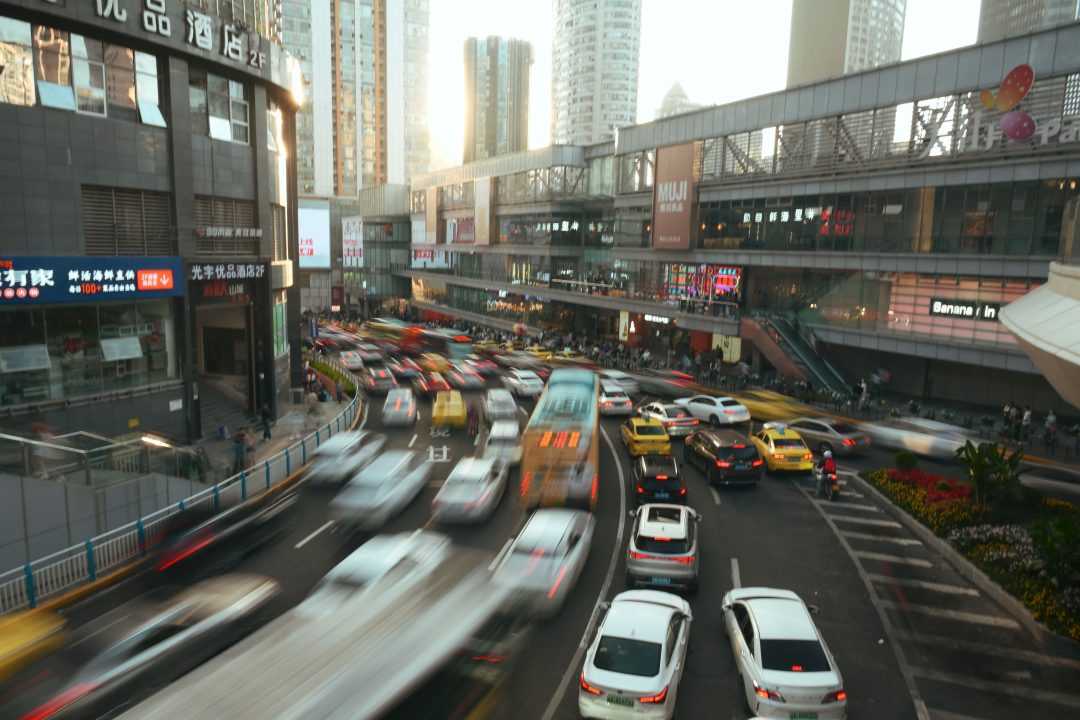
In China, the rapid growth of electric taxis and ride-hailing vehicles is helping cushion the impact of higher oil prices.
Around half of China’s 1.3 million taxis are now electric, according to the country’s Ministry of Transport. In several major cities, nearly the entire taxi fleet has already switched to electric vehicles.
Ride-hailing company Didi said it added another two million electric or hybrid vehicles last year, bringing its total non-fossil-fuel fleet to eight million.
Electric vehicles now account for about 75% of the total distance travelled on the platform.
The change is helping China’s transport system absorb higher petrol prices without passing the full cost on to passengers.
Taxi and ride-hailing trips reached 3.05 billion in May, up 6% compared with the same period last year.
At the same time, fares have been falling because of intense competition among drivers and the lower operating costs of electric vehicles.
Some passengers now find it cheaper to take a taxi or ride-hailing vehicle than to drive their own petrol-powered cars, especially after including the cost of fuel and parking.
China consumed 10% less gasoline and 14% less diesel in May than a year earlier, even as road freight increased by 2% and travel during the May Day holiday reached a record high.
Its oil imports also fell 41% in June from a year earlier, allowing the country to avoid heavy use of its strategic reserves and freeing up more cargoes for the global market.
J.P. Morgan said the conflict may have accelerated changes that were already underway, leaving China structurally less dependent on oil than many investors had previously assumed.
Japan: Dressing Down to Save Energy
While China is relying on electric transport, Japan is turning to workplace culture to reduce energy use during extreme summer heat.
The Tokyo Metropolitan Government is encouraging staff to wear polo shirts, T-shirts, shorts and sneakers under its “Tokyo Cool Biz” campaign.
The policy aims to help workers cope with temperatures of around 35 degrees Celsius while reducing dependence on air conditioning and lowering electricity costs.
The initiative builds on a nationwide programme introduced in 2005, but the latest version marks a significant shift in a country where dark suits, white shirts and ties have long been standard office wear.
More employers are now allowing workers to dress casually, especially when they are not meeting clients.
Retailers including Aeon, Fast Retailing and Aoki have also expanded their ranges of lightweight, stretchable and quick-drying office clothing.
The change has created new opportunities for apparel companies as consumers look for clothes that remain professional while being more comfortable in hotter conditions.
Japan is preparing for another severe summer after recording its hottest summer on record last year, when average temperatures were 2.36 degrees Celsius above normal and more than 100,000 people were taken to hospital with heatstroke.
From electric taxis in China to shorts in Tokyo offices, rising energy costs are encouraging countries to rethink how people travel, work and consume power.
As instability in the Middle East keeps global oil markets under pressure, energy security is increasingly becoming more than a question of securing fuel supplies.
It is also reshaping consumer behaviour, business strategies and government policies as economies search for practical ways to reduce the cost of a prolonged energy shock.