



























(Singapore, 14.07.2026)As more first-generation entrepreneurs and wealth creators in Asia begin to think about succession, preserving family wealth is becoming part of the much bigger challenge of passing on businesses, responsibilities and values to the next generation.
For many business founders, decades of entrepreneurship have created not only wealth, but also business principles and ways of thinking shaped by years of experience.
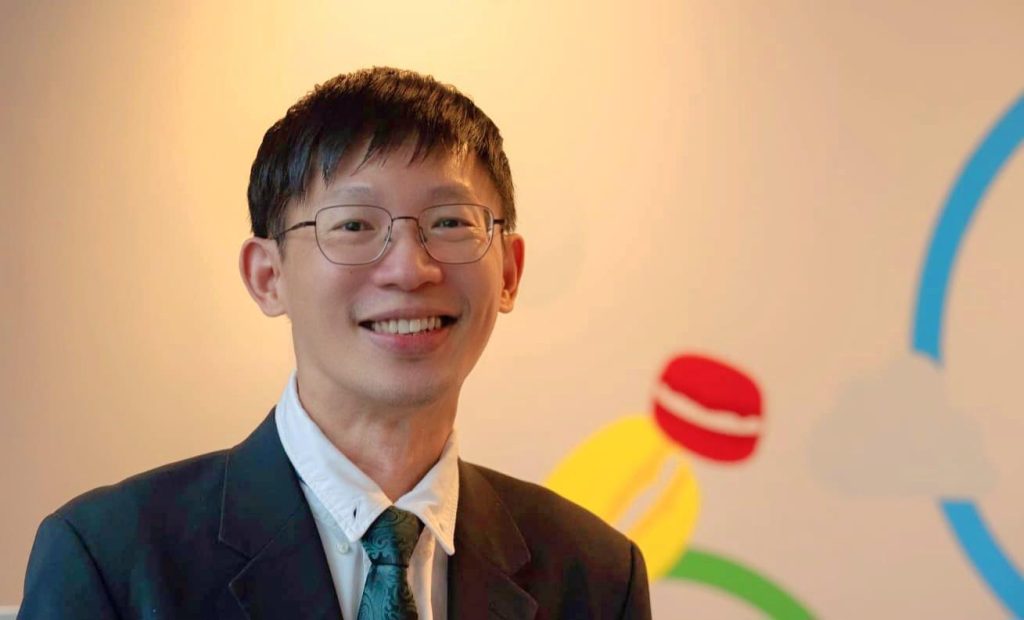
Walter Ng, Director and Chief Financial Officer of Ruifeng Wealth Management, an independent external asset manager based in Singapore, said every generation faces its own challenges and opportunities.
“First-generation entrepreneurs would typically like their business philosophies to be preserved as these have been proven to work,” he said.
Ideally, the next generation would take on the responsibility of managing the family business and wealth while continuing to build on the strong foundation laid by the founder.
However, succession does not always go according to plan.
Challenges may arise when the next generation is not given enough time and opportunities to prepare for leadership. Some may not be interested in running the family business, while others may not be suited to leading the organisation.
This highlights one of the main challenges facing wealthy families, as passing on a business or wealth may be easier than passing on the responsibilities that come with them.
Different Generations, Different Ways of Thinking
Differences between generations can make succession even more challenging, especially as technology changes the way businesses and investments are managed.
Many first-generation entrepreneurs built their businesses through decades of personal experience. Their decisions may sometimes be based on instinct, or “gut feel”, developed through years of dealing with markets, customers and economic changes.
The next generation, however, is growing up in a very different environment.
With technology and artificial intelligence playing a bigger role in business and daily life, younger family members may be more familiar with data-driven decision-making and analysing different possible outcomes before making a decision.
Ng said differences in values, priorities and risk appetite tend to emerge across generations, as the founder’s way of doing things may not always be fully understood or appreciated by the next generation.
At the same time, the rise of technology and AI has encouraged a different approach to decision-making, with greater use of data and analysis to reduce uncertainty and consider different possible scenarios.
The challenge for families is therefore not about choosing between the experience of the older generation and the new ideas of the younger generation.
Instead, it is about finding ways for both generations to work towards a shared long-term vision while preserving the principles that helped create the family’s success.
Ng believes one of the most important steps families can take is to start conversations about succession early.
Instead of waiting until a leadership transition becomes necessary, families should involve the next generation in discussions about family business and wealth while they are still relatively young.
This allows families to better understand the interests and abilities of younger members. At the same time, the next generation can gradually learn about the responsibilities that come with managing family wealth and businesses.
Ng said families should recognise the interests of the next generation, develop their strengths and help them improve their weaknesses.
Trusted third-party professionals can also help educate and prepare younger family members, especially in areas such as leadership and ethical conduct.
The aim is not simply to transfer assets from one generation to another, but to gradually prepare younger family members to become responsible stewards of the family’s business, wealth and legacy.
Beyond Traditional Wealth Management
As the needs of wealthy families become more complex, the role of family offices is also changing.
Ruifeng Wealth Management, an independent external asset manager serving accredited and institutional investors, provides investment advisory, asset allocation and portfolio management services.
From a wealth management perspective, the needs of wealthy families today often go beyond investment returns and asset preservation.
According to Ng, besides serving as a centralised structure to oversee a family’s wealth, family offices are taking on a wider role in family governance, succession planning, philanthropy and societal impact.
This change reflects the wider challenges facing wealthy families as they prepare to pass on responsibilities from one generation to another.
Family offices are therefore moving beyond traditional wealth management to play a broader role in helping families manage succession, governance and long-term goals.
As Singapore continues to strengthen its position as a leading family office hub in Asia, Ng identified several trends that could shape the sector in the coming years.
These include growing interest in private markets, developments in frontier technologies, greater involvement of professional management alongside family oversight, and further improvements to the regulatory and business environment to support the growth of the sector.
Professional management is also expected to play a greater role alongside family oversight as family wealth and investments become more complex.
At the same time, developments in private markets and frontier technologies are among the key trends that family offices will need to consider in the years ahead.
Preserving Wealth, Purpose and Legacy
Ultimately, the role of a family office may no longer be measured only by the investment returns it generates.
For families going through a generational transition, its value may also lie in providing stability, direction and continuity as responsibilities move from one generation to another.
Ng said families expect their family offices to serve as “a stabilising and guiding light for the next generation”.
This means carefully managing generational wealth, deploying funds thoughtfully and with purpose, while continuing the legacies established by the founders.
As family wealth and investment needs become more complex, Ng expects family offices to continue evolving alongside the families they serve, with a growing focus on governance, succession and the long-term stewardship of wealth.