


























(Singapore, 03.08.2026)India’s richest families are pouring more money into ultra-luxury real estate, with one of the country’s most exclusive neighborhoods emerging as the latest hotspot. In the heart of New Delhi, where Prime Minister Narendra Modi, senior ministers and top judges live and work, luxury bungalows are changing hands for record prices, reflecting the growing concentration of wealth in Asia’s third-largest economy.
The area, known as the Lutyens Bungalow Zone (LBZ), has long been regarded as India’s most prestigious residential address. Today, it is attracting billionaires and industrialists who see these rare properties not only as homes but also as long-term investments and symbols of influence.
One of the biggest recent transactions came in 2025, when a company controlled by steel billionaire Lakshmi Mittal acquired a nearly century-old mansion on APJ Abdul Kalam Road for 3.1 billion rupees (about S$41 million), according to public property records.
The property had belonged to the Singh family, descendants of the former royal family of Alwar, who had lived there since the early 1970s. People familiar with the matter said the sale came after the family decided the large colonial-era home had become increasingly expensive and difficult to maintain. The mansion sits on around 32,000 square feet and includes spacious gardens that require significant upkeep.
The acquisition also allowed the Mittal family to expand their existing estate by combining neighboring properties. Neither the Mittals nor the Singh family commented on the transaction.
Even bigger deals may be on the horizon. According to people familiar with the negotiations, Essel Group chairman and media entrepreneur Subhash Chandra is exploring the sale of his Lutyens bungalow for around 12.6 billion rupees (S$169 million). If completed, the transaction would rank among the largest luxury home sales ever recorded in India.
Property data compiled by analytics firm CRE Matrix shows that 18 bungalow deals were completed in LBZ during 2024, followed by 21 transactions in 2025. Although only eight deals have been completed so far this year, the average transaction value has continued to rise. Industry sources say discussions are underway for at least two properties valued at more than US$100 million.
Where wealth meets power
The appeal of LBZ lies not only in its luxury homes but also in its history. Built after the British shifted India’s capital from Kolkata to Delhi in 1912, the district was designed by architect Edwin Lutyens as the new seat of government. Its broad tree-lined boulevards, grand government buildings and spacious heritage bungalows continue to define one of India’s most prestigious addresses.
Today, the heritage district covers just 26 square kilometers and contains fewer than 1,000 private bungalows, making supply extremely limited.
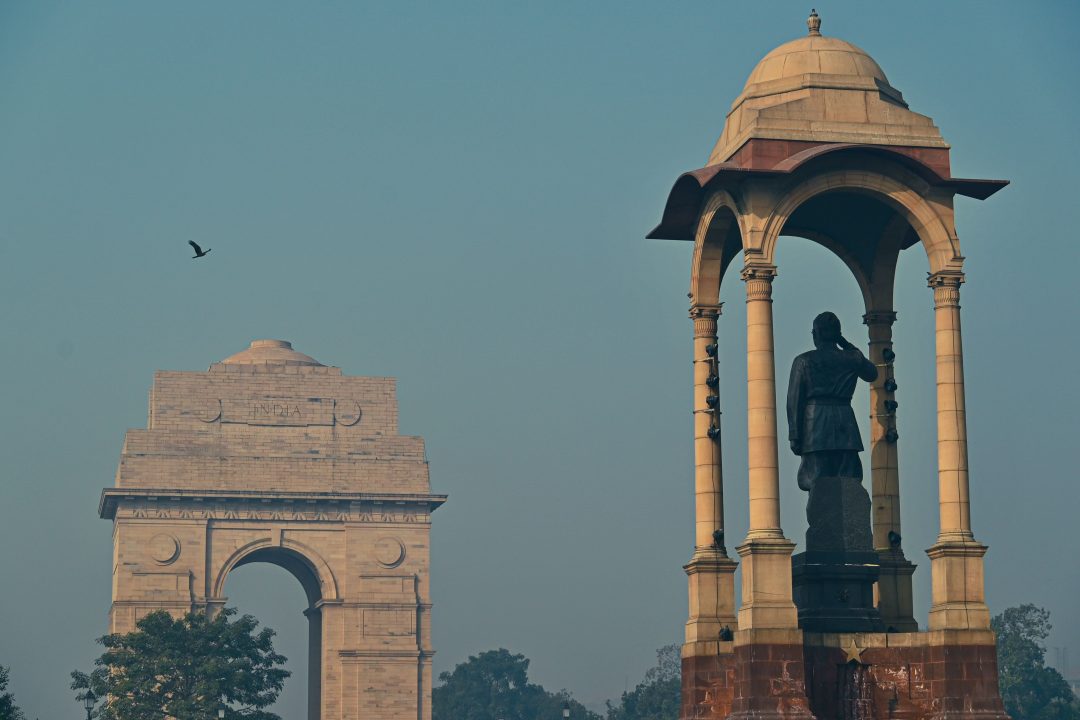
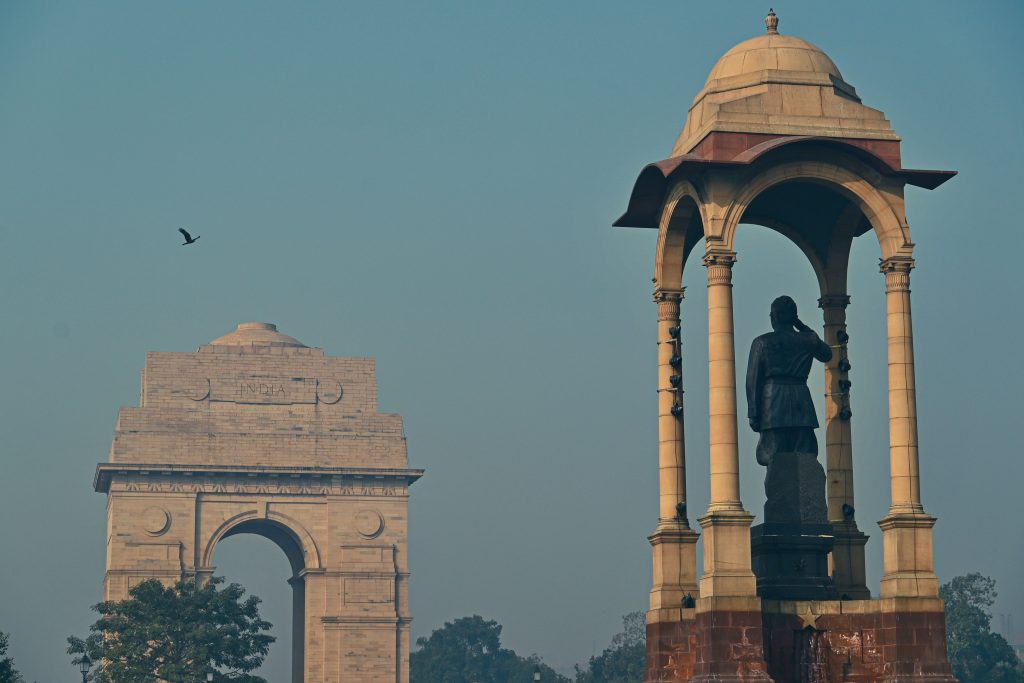
The neighborhood also houses Rashtrapati Bhavan, the official residence of India’s president, as well as Parliament, India Gate and the homes of many of the country’s most powerful political leaders.
Historians say owning a property in the district has always carried special meaning. “Lutyens Delhi has always been a center of power and privilege in India,” historian Swapna Liddle said. Ownership in the area has long been associated with wealth, influence and political connections.
According to Bloomberg, the report is based on public property records, official filings and interviews with people familiar with recent transactions and ongoing negotiations in Lutyens Delhi.
Real estate experts say the market operates differently from most residential sectors. While broader housing markets are influenced by affordability, mortgage demand and economic cycles, LBZ properties are driven by scarcity. The limited number of privately owned bungalows means buyers often compete for assets that rarely become available.
Diptayan Roy, senior vice president at property consultancy JLL India, said purchases in the district are increasingly viewed as wealth preservation rather than traditional real estate investments. Many buyers are motivated by the desire to hold a unique asset that can be passed down through generations while maintaining close proximity to India’s political and administrative center.
The neighborhood has already attracted several of the country’s wealthiest families. Gautam Adani’s group reportedly acquired a heritage villa in the area in 2020 for around 4 billion rupees through a bankruptcy sale, while members of the Jindal family also own homes there. Some observers compare the district to London’s famous Billionaires’ Row, where wealthy families compete for prestigious addresses with limited supply.
Another attraction is the area’s abundant greenery, which offers residents cleaner air than many other parts of heavily polluted New Delhi.
Growing demand despite ownership concerns
Despite strong demand, buying property in LBZ is not without risks. Earlier this year, India’s federal government canceled the lease of the historic Delhi Gymkhana Club, a colonial-era private club near Prime Minister Narendra Modi’s official residence, saying the site occupies a strategically sensitive location that should be reclaimed for public use.
The club has challenged the decision in court, but the dispute has highlighted the government’s authority over leasehold land within the district.
Many of LBZ’s private bungalows sit on land leased from the government for 99 years rather than being held under permanent freehold ownership. Although the government has not taken back residential leasehold properties from private owners, the Gymkhana case has made some investors more cautious.
Property consultants say buyers are now waiting for authorities to resume processing applications that allow leasehold properties to be converted into freehold ownership. Such conversions would provide stronger ownership rights while potentially increasing property values. Strict heritage conservation rules also limit renovations and redevelopment, adding another layer of complexity for buyers.
Lawyers involved in luxury property transactions say most buyers are industrialists or business families with billions of rupees available for investment.
Among those reportedly interested in acquiring LBZ properties is the family of billionaire Ravi Jaipuria, founder of RJ Corp and controlling shareholder of Varun Beverages, PepsiCo’s largest bottling partner in India. The company has not commented on the reports.
Even with regulatory hurdles, demand remains strong. According to Rohit Chopra, founder of luxury property advisory SouthDelhiPrime.com, “Lutyens” has become the most searched term on the company’s website.
The surge in interest reflects a broader shift in India’s luxury housing market. While sales in more affordable residential segments have slowed, demand for prime real estate among the country’s wealthiest buyers continues to grow. As India’s billionaire population expands, ownership of a mansion in the nation’s political heartland is increasingly seen as more than a real estate purchase. It has become a statement of status, long-term wealth and proximity to the country’s center of power.