






















(Singapore, 05.08.2026)As Southeast Asia braces for hotter and drier weather over the coming months, El Niño has once again become a hot topic. Climate forecasts indicate that temperatures across the region are expected to remain above normal between August and October, raising concerns about drought, wildfires and higher energy demand.
In Singapore, where air-conditioning is a daily necessity for many households, warmer weather often translates into higher electricity consumption. Unsurprisingly, more homeowners are beginning to ask whether installing rooftop solar is now a smarter investment.
According to Kerr Sun, Chief Executive Officer of 9 Solar FinTech, enquiries tend to increase whenever El Niño or unusually hot weather makes the headlines.
“People naturally start thinking about electricity usage and rising utility bills,” he said.
“The most common questions we receive include whether solar panels will generate more electricity during El Niño, whether this is the best time to install solar, and how much homeowners can save on their electricity bills.”
While the increased interest is encouraging, Sun believes homeowners should avoid making decisions based on a single weather event.
“El Niño has certainly raised awareness, but we don’t believe homeowners should install solar because of one weather event. Instead, we see it as a timely reminder for everyone to start thinking about the future of energy.”
Sunlight Matters More Than Heat
While El Niño has encouraged more homeowners to explore solar energy, it has also reinforced the common misconception that hotter weather automatically leads to higher solar power generation. In reality, solar panels generate electricity from sunlight, not heat.
“Many people are surprised to learn that solar panels generate electricity from sunlight, not heat,” Sun explained.
While clearer skies during El Niño may provide more sunshine, excessive heat can slightly reduce the efficiency of solar panels. Like most electronic equipment, solar cells perform best within an optimal operating temperature range. As temperatures rise significantly, efficiency may decline slightly, even though overall electricity generation can still remain strong because of increased solar irradiance.
Fortunately, modern solar technology is designed to perform efficiently even in tropical climates.
“More sunshine generally means more electricity generation, but excessive heat can slightly reduce the efficiency of solar panels,” said Sun. “Modern solar technology is designed to perform well in tropical climates like Singapore.”
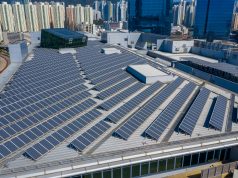
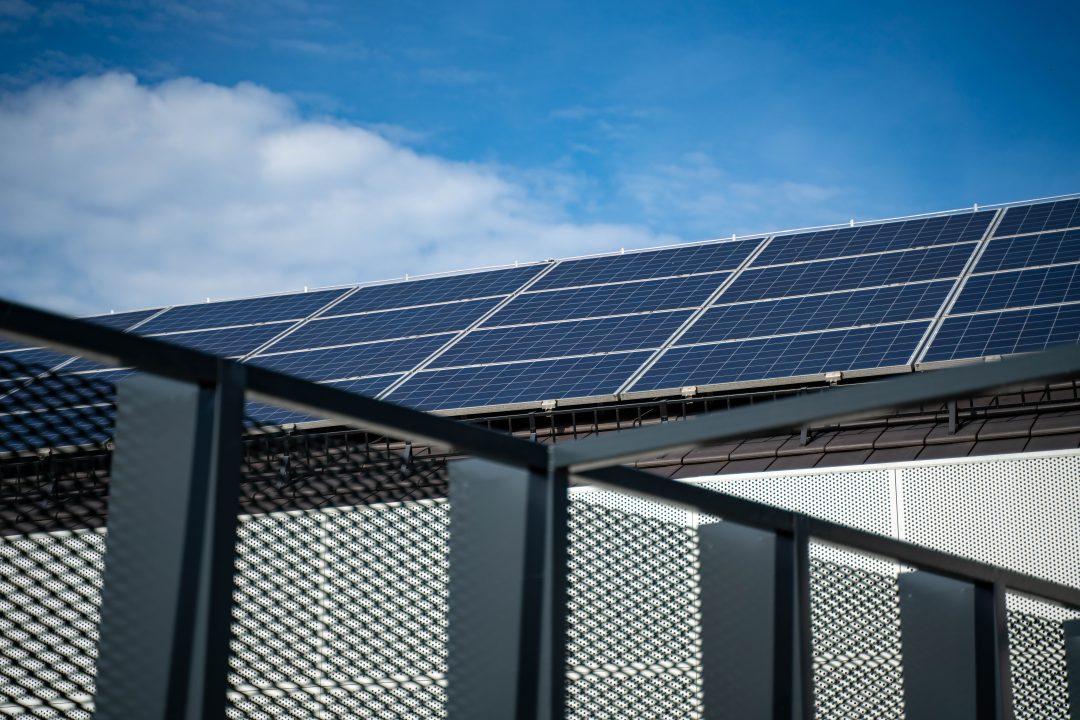
Singapore’s tropical climate is actually well suited for rooftop solar. Unlike countries with four distinct seasons, the island enjoys relatively consistent sunshine throughout the year, making it an ideal environment for solar energy generation regardless of whether El Niño is present.
However, Sun emphasised that weather is only one piece of the puzzle. A solar system’s long-term performance depends far more on proper system design, quality equipment, professional installation and regular maintenance than on a particularly hot season.
Factors such as roof orientation, shading and proper system sizing all play an important role in maximising a system’s long-term performance.
Think Beyond This Year’s Weather
Although El Niño has prompted more conversations about solar energy, Sun believes homeowners should focus on the long-term value rather than temporary weather patterns.
“Our advice is simple: don’t make your decision based on this year’s weather. Make it based on the next 25 years.”
As electricity, labour and material costs continue to rise, more families are beginning to view solar as a long-term investment rather than simply a response to hotter weather. Installing rooftop solar allows homeowners to reduce their dependence on grid electricity while benefiting from clean energy for decades.
“Installing solar early allows families to lock in savings today while benefiting from clean energy for the next 25 years or more,” he said.
Beyond lowering electricity bills, Sun sees rooftop solar as part of Singapore’s broader transition towards a cleaner and more resilient energy future.
“Every homeowner who installs solar is contributing to reducing carbon emissions while also protecting themselves from rising electricity costs,” he said.
Looking ahead, 9 Solar Home hopes to build what it calls a “Green Community”, bringing together homeowners, businesses and partners who share the goal of creating a more sustainable Singapore.
“Every rooftop may seem small on its own, but together they become a powerful force for positive change.”
As hotter weather continues to dominate headlines, El Niño should be seen not as a reason to install solar, but as a reminder to think long term. Today’s energy decisions can deliver both financial savings and environmental benefits for decades to come.