



















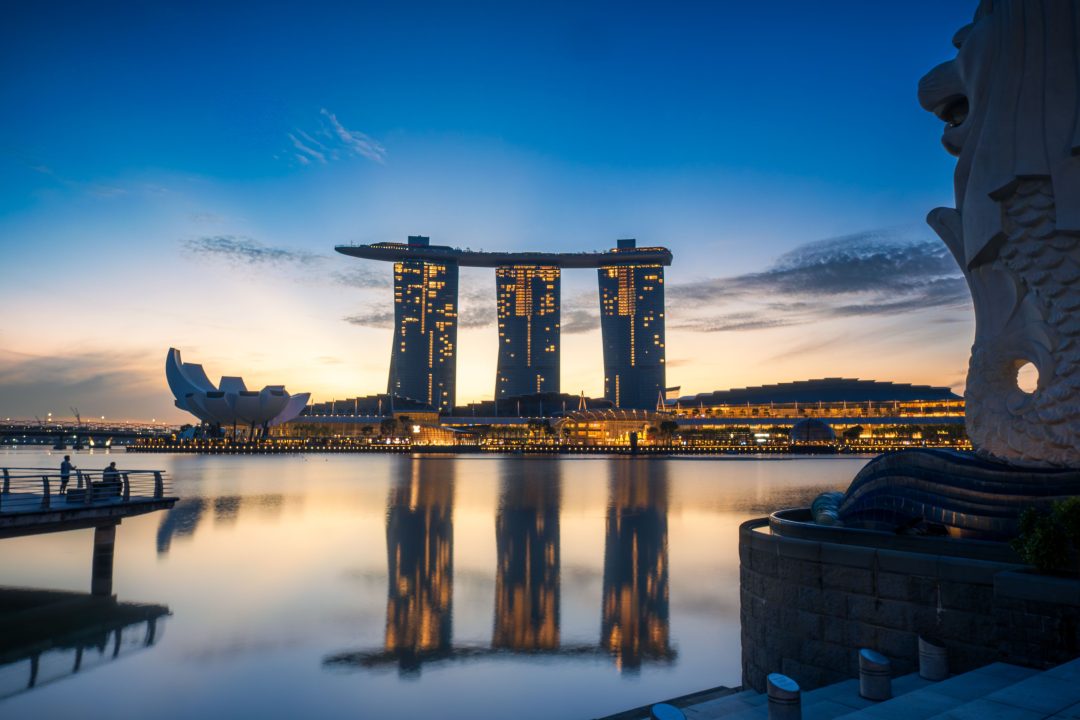
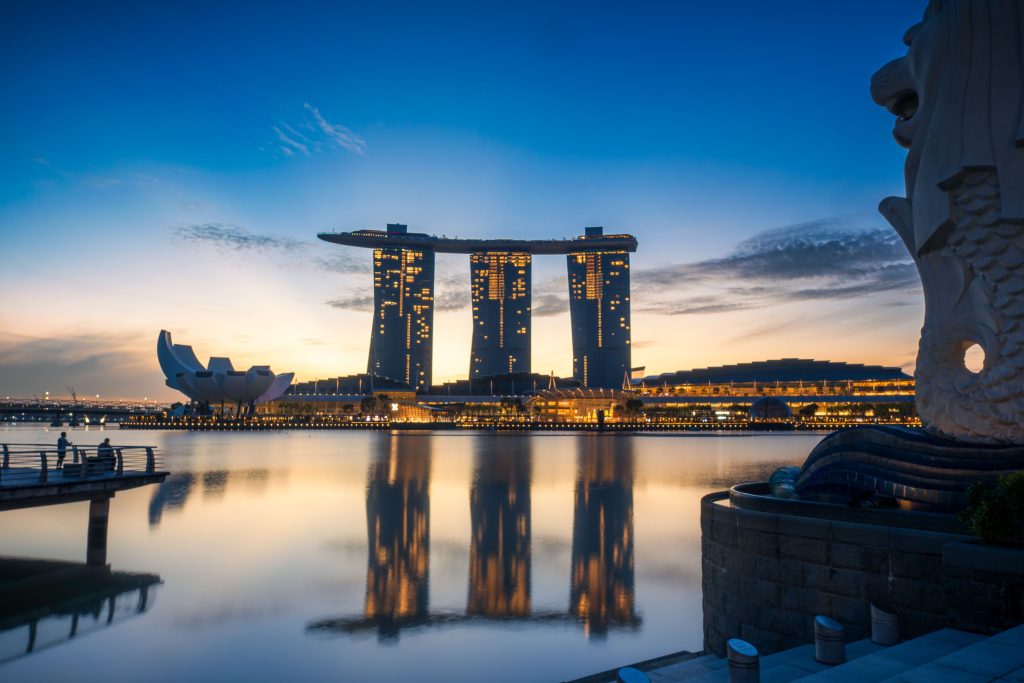
(Singapore, 19.08.2026)Singapore’s casino industry is enjoying a strong recovery as tourists and wealthy gamblers return, but the gains are increasingly concentrated at Marina Bay Sands, widening the gap with Resorts World Sentosa just months before the latter faces a crucial casino licence renewal.
The difference is becoming visible not only in revenue but also in how the two integrated resorts compete for their most valuable customers. During Lunar New Year promotions earlier this year, Resorts World Sentosa offered a bottle of Martell cognac as the biggest prize in a lucky draw for high rollers, while Marina Bay Sands gave its top winner a Mercedes-Benz CLA 200.
Behind such promotions is a much bigger battle for Singapore’s lucrative VIP gaming market, which has benefited from the city-state’s post-pandemic tourism recovery and an influx of affluent visitors from China and neighbouring Asian markets.
Marina Bay Sands, owned by Las Vegas Sands, generated more than US$2.1 billion (S$2.7 billion) in casino revenue during the first half of 2026. Comparable gaming revenue at Resorts World Sentosa was less than one-third of that amount, according to Bloomberg.
The widening gap comes at a sensitive time for Genting Singapore, which operates Resorts World Sentosa and is majority-owned by Malaysia’s Genting Bhd.
Singapore’s Gambling Regulatory Authority said in November 2024 that the resort’s tourism performance was “unsatisfactory” and subsequently granted it a two-year casino licence from February 2025, instead of the usual three-year term.
The regulator is now assessing Resorts World Sentosa’s application for another renewal and is expected to announce a decision before the current licence expires in February 2027. Its assessment covers the performance of the entire integrated resort rather than the casino alone.
By comparison, Marina Bay Sands secured another three-year casino licence last year.
Genting Singapore said in April that it had maintained close engagement with the authorities and believed it was well positioned for the next assessment. Resorts World Sentosa said it had introduced new attractions and experiences over the past 18 months while improving its hospitality and gaming offerings, with early signs of progress encouraging.
Battle for wealthy gamblers intensifies
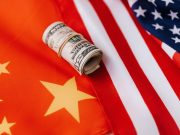
Singapore has become increasingly attractive to wealthy gamblers as Macau faces tighter scrutiny from Chinese authorities over capital outflows, casino junkets and illegal money-changing activities. Visa-free travel between China and Singapore has also made the city-state more accessible to mainland visitors.
Singapore’s casino model already relies heavily on overseas customers because citizens and permanent residents must pay a S$150 daily entry levy, while foreign tourists can enter without paying the charge after presenting their passports.
Competition for high rollers is particularly important because, despite accounting for a smaller share of visitors, these customers contribute disproportionately to casino revenue and profits.
Resorts World Sentosa held a larger share of Singapore’s VIP market in 2023, but its share dropped to about 20% in the first quarter of 2026 before recovering to 36% more recently, according to DBS research.
Marina Bay Sands has meanwhile strengthened its appeal to premium customers through luxury accommodation and entertainment. Its VIP benefits include suite stays with butler service, dining credits and tickets to musicals and other events.
Analysts say Resorts World Sentosa has struggled to match that experience, although the resort recovered some VIP market share during the second quarter as Marina Bay Sands recorded weaker high-roller revenue, partly because some wealthy customers travelled to attend the World Cup instead.
The pressure is unlikely to ease as both operators pour billions into upgrading their properties.
Billions invested in next phase
Resorts World Sentosa is undergoing a S$6.8 billion transformation that includes an all-suite luxury hotel, an expanded oceanarium and Super Nintendo World at Universal Studios Singapore. The revamped resort is expected to be completed by 2030.
Marina Bay Sands is responding with an approximately US$8 billion (S$10.2 billion) expansion of its own, including a new 55-storey hotel tower, 570 luxury suites and a 15,000-seat entertainment arena. The project is expected to open in 2031, subject to government approval.
The investments reflect confidence in Singapore’s growing position as a luxury tourism and wealth hub at a time when conditions in Macau have become more challenging.
Macau casino revenue recorded steeper-than-expected declines in June and July, ending 16 consecutive months of growth as weaker Chinese consumer confidence, financial-market volatility and tighter controls on cross-border capital flows weighed on high rollers. Analysts have since lowered forecasts for Macau’s gaming revenue growth this year.
For Las Vegas Sands, Singapore has already become an increasingly important earnings engine. Marina Bay Sands overtook the company’s Macau operations as its most profitable business after reporting record adjusted earnings before interest, taxes, depreciation and amortisation in the first quarter.
Genting Singapore, meanwhile, is trying to ensure its Sentosa property remains competitive as Singapore’s tourism market moves further towards premium experiences. The casino remains the integrated resort’s main contributor to revenue and profits, making its performance particularly important to the group.
With Marina Bay Sands continuing to invest heavily in luxury facilities and VIP customers, Resorts World Sentosa’s multi-billion-dollar redevelopment will be closely watched as Genting seeks to regain market share and strengthen the resort’s position ahead of its next regulatory assessment.