
























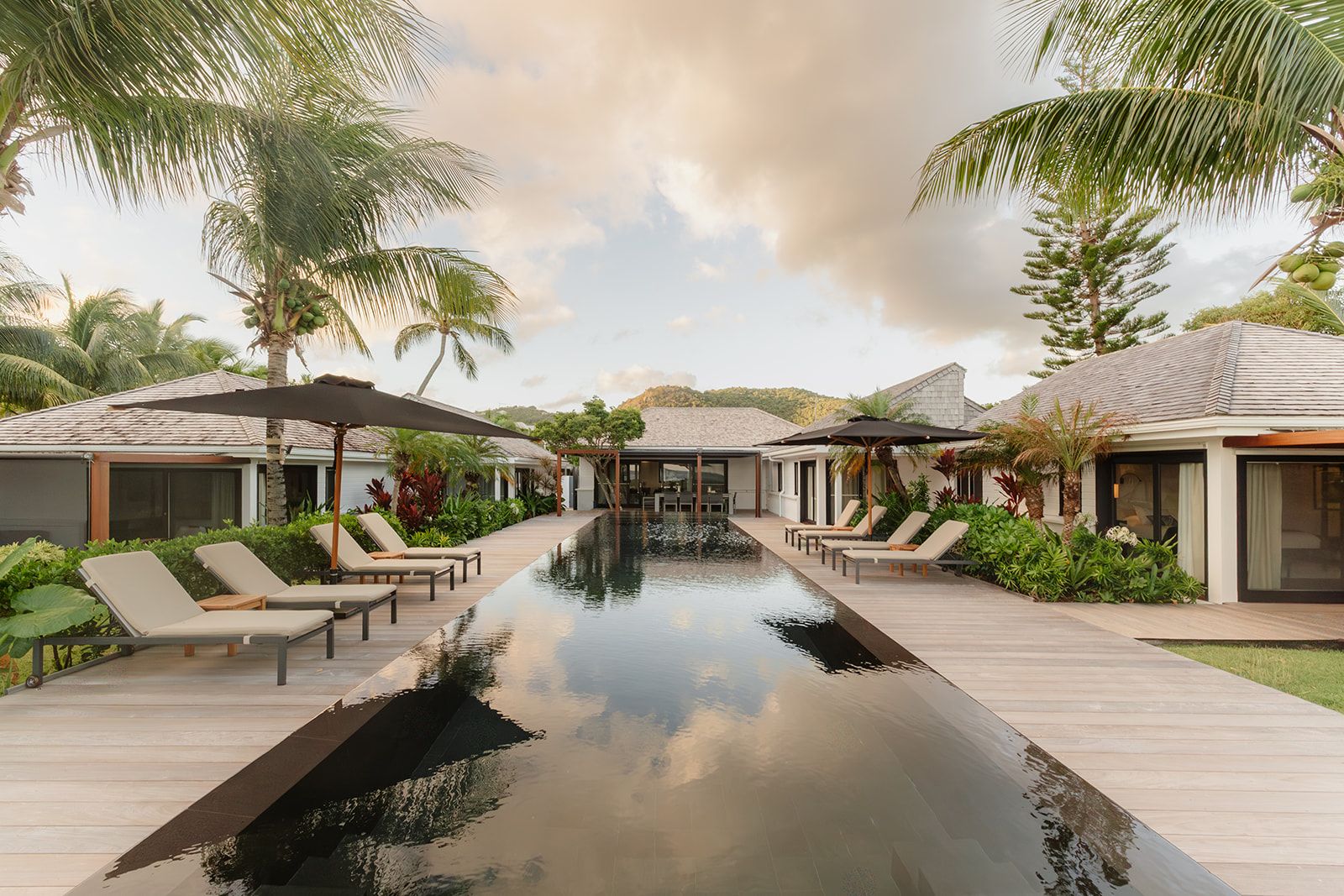
(Singapore, 24.10.2026)How many days a year does an owner actually spend in a multimillion-euro holiday home?
For high-net-worth individuals who own second homes across different countries, the value of a property lies not only in capital appreciation or rental income, but also in how it is used. Yet many luxury homes remain vacant for much of the year.
US-based second-home company Pacaso is exploring another approach: instead of renting or selling the property, owners can exchange the time when their homes would otherwise sit unused for stays at other luxury residences around the world.
Infinity by Pacaso, the company’s invitation-only home exchange community, has expanded into France, opening its network to French second-home owners. A private preview was held on Oct 22 at an Infinity residence on Rue des Beaux-Arts in Paris’s 6th arrondissement.
Infinity’s network currently spans more than 70 destinations across over 10 countries, including Paris, Tuscany, Verbier, New York, Napa Valley and several Caribbean destinations.
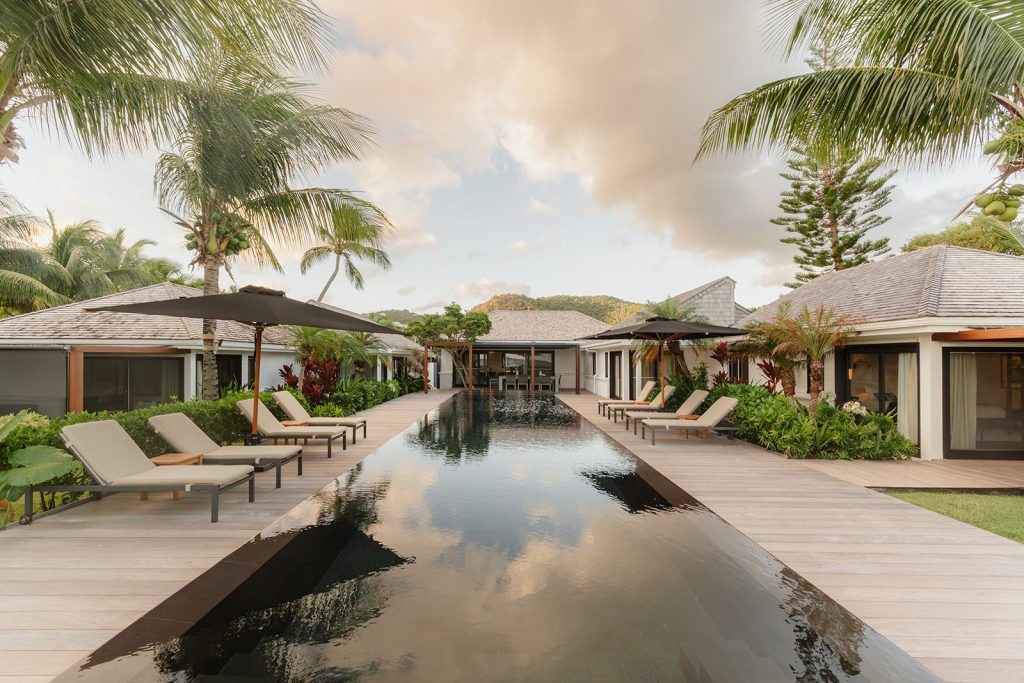
Exchanging unused time, not ownership
Unlike conventional holiday rental platforms, Infinity targets people who already own high-end second homes.
Properties admitted to the network are valued between €3 million and €20 million (approximately S$4.3 million to S$28.6 million). Homeowners, residences and property managers are vetted, while properties are assessed based on factors including architecture, location, character and quality of care.
Owners retain full ownership of their properties and are required to make their homes available to the community for a minimum of 14 days each year.
Those unused days effectively become another form of utility.
Members can arrange a direct exchange with another homeowner or earn credits by making their property available to other members. The credits can then be used for stays elsewhere in the network, meaning exchanges do not have to be reciprocal or take place at the same time.
A Paris homeowner, for example, could make an unused period at the property available to another member and later use the credits for a stay in Tuscany, Verbier or New York.
Pacaso coordinates scheduling, confirmations and arrival arrangements, while owners continue working with their existing property managers to prepare and maintain their homes.
Austin Allison, CEO and co-founder of Pacaso, said even exceptional homes can remain empty for weeks each year. Infinity is designed to turn that unused time into opportunities for owners to stay at properties in other destinations.
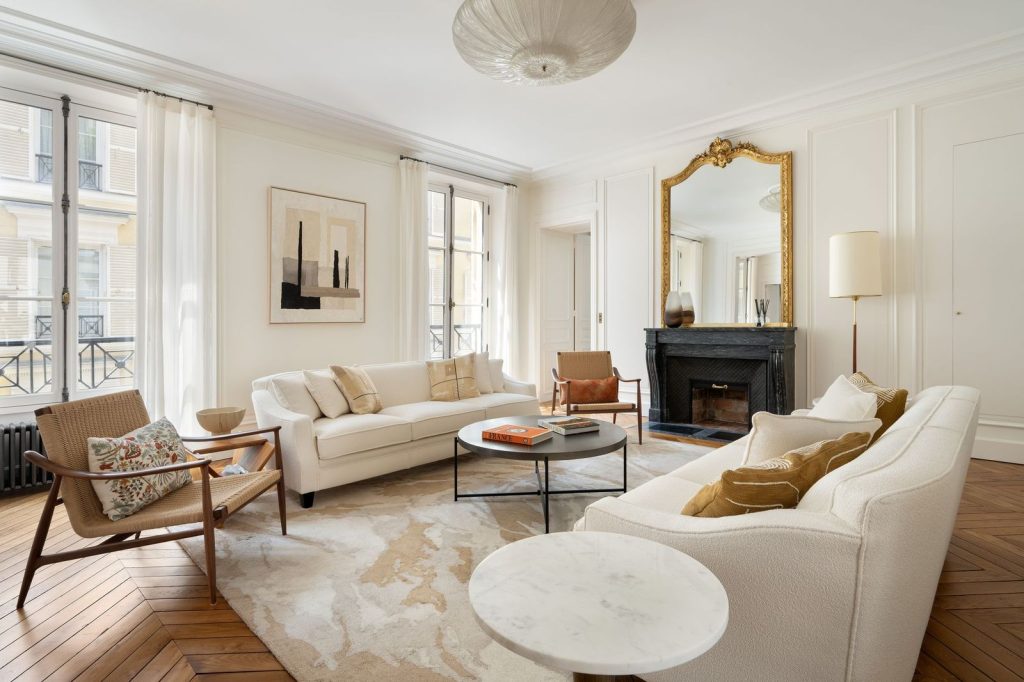
Diversity of locations and lifestyles in France
According to Manon Martin, Global Head of Membership at Pacaso, France has become the most requested destination among the Infinity community.
From Parisian apartments to estates in Provence and villas along the Côte d’Azur, the diversity of locations and lifestyles allows properties in France to appeal to members at different times of the year.
But the long-term viability of such a model will depend on more than simply growing membership numbers.
A luxury home exchange network requires a sufficiently broad geographical spread of comparable properties. Availability during peak travel seasons, the balance between demand and supply in popular destinations, as well as owners’ concerns over privacy, maintenance and allowing other people into their homes will all influence how far the model can scale.
Infinity’s current footprint is concentrated mainly in Europe, the United States and international holiday destinations, and hasn’t entered entry into Singapore.
The model, however, points to a broader shift that could be relevant to Singapore’s wealth management community: how high-net-worth families make better use of assets they already own.
For wealthy individuals with homes in several countries, overseas property can serve multiple purposes — investment, family use, education, holidays and international mobility. But even a highly valuable property may remain unused for much of the year.
Infinity is attempting to address that mismatch between high asset value and relatively low utilisation. Ownership remains unchanged, while unused time is converted into access to other private residences around the world.
Singapore has attracted a growing concentration of family offices, high-net-worth individuals and internationally mobile entrepreneurs. For such families, property ownership is increasingly intertwined with global mobility, family arrangements, education, leisure and wealth allocation.
As families accumulate properties across different markets, the question may therefore begin to shift from where else to buy to how to make better use of what they already own.