
























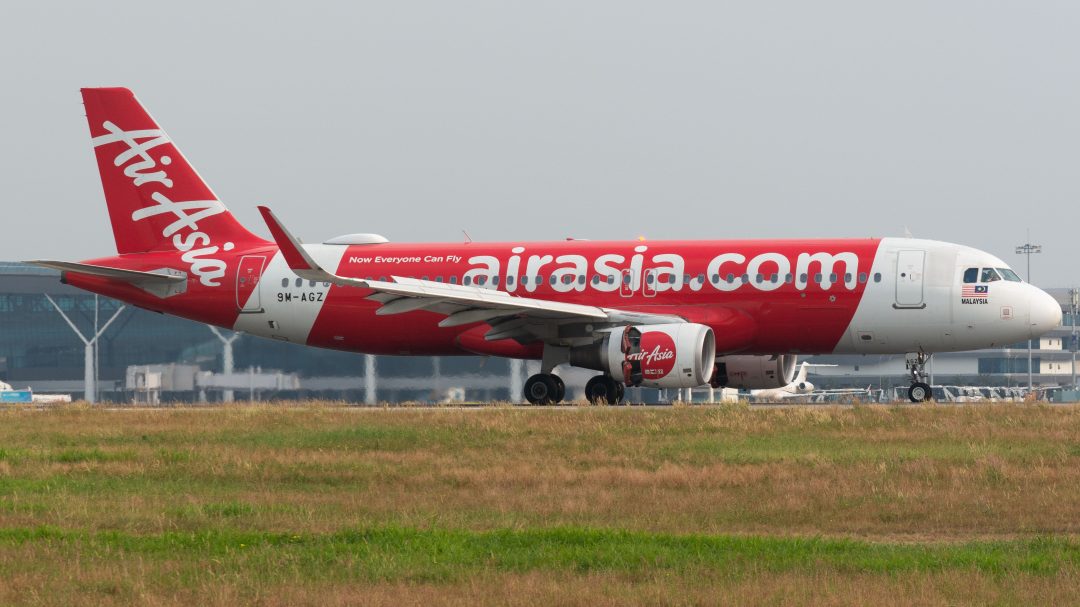
(Singapore, 12.10.2026)Malaysia’s Transport Minister Anthony Loke has denied that his ministry held recent talks with AirAsia, following reports that the airline’s co-founder Tony Fernandes had met government officials to discuss possible financial support, as soaring jet fuel prices put increasing pressure on Southeast Asia’s largest low-cost carrier.
Reuters reported on Monday (Oct 12), citing three people familiar with the matter, that Fernandes met officials from Malaysia’s Finance Ministry about two weeks earlier, with discussions reportedly including the possibility of government backing for AirAsia’s fundraising efforts.
Fernandes confirmed that he had met officials from both the Finance and Transport ministries during the week beginning September 28, but insisted the discussions focused on aviation-related costs, including airport charges and fuel prices, rather than financial assistance.
He denied seeking a government bailout or receiving any offer of support, expressing full confidence that AirAsia could overcome its current financial challenges without state assistance.
However, Loke said neither he nor officials from the Transport Ministry had met AirAsia representatives in the past two to three weeks, adding that no agreement had been reached.
“As far as the ministry is concerned, they may have had discussions with the Finance Ministry,” Loke told reporters at a press conference in Putrajaya, noting that commercial airlines regularly engage with government agencies.
The differing accounts have drawn renewed attention to AirAsia’s financial position, as the airline grapples with rising operating costs, substantial liabilities and pressure to secure fresh financing.
Soaring Fuel Costs Put AirAsia Under Pressure
AirAsia has been hit by a sharp rise in jet fuel prices following the US-Israeli war on Iran, which has disrupted global energy markets and driven up operating costs across the aviation industry.
The airline’s average jet fuel cost surged 66% in the second quarter from the previous three months to US$183 a barrel, putting additional pressure on profitability as the carrier seeks to keep airfares affordable.
For the quarter ended June 30, AirAsia reported a net loss of RM831 million (S$261 million), including RM331 million (S$104 million) in foreign-exchange losses, while its cash and bank balances stood at RM954 million (S$299 million) against current liabilities of RM18.4 billion (S$5.8 billion).
The figures have raised investor concerns about the airline’s financial flexibility, particularly as elevated fuel prices threaten to remain a burden over the coming months.
AirAsia shares fell around 5% on Monday afternoon following the latest reports, extending losses that have wiped more than 70% off the stock’s value this year.
Concerns intensified last month after Reuters reported that the Malaysian government had asked Malaysia Airlines and Batik Air whether they could absorb AirAsia’s domestic market share as part of contingency planning, sending AirAsia shares down as much as 21% the following day to near their lowest level in almost four years.
According to people familiar with the government’s concerns, prolonged financial difficulties at AirAsia could have wider consequences for Malaysia’s air connectivity, tourism industry and related businesses, including state-linked airport operator Malaysia Airports Holdings Berhad.
Fernandes said AirAsia accounts for approximately 60% of Malaysia’s domestic aviation market and employs about 26,000 people, making its financial stability important to the country’s wider economy.
AirAsia Seeks US$1 Billion as Funding Concerns Grow
The reported meetings come as AirAsia seeks to raise up to US$1 billion (S$1.3 billion) from international debt markets, alongside RM700 million in local credit facilities, mainly to refinance existing debt and strengthen its financial position.
Fernandes said he expected the international fundraising exercise to be completed between December and February, with approximately half the proceeds used to refinance expensive loans and the remainder allocated to working capital and settling outstanding liabilities.
He also acknowledged having previously asked the Malaysian government to help AirAsia secure loans from domestic banks, explaining that borrowing in ringgit could offer more favourable interest rates and repayment terms than overseas financing.
However, he maintained that seeking assistance in arranging commercial loans was different from requesting a government bailout.
According to Reuters, representatives from Alton Aviation Consultancy, which had reportedly been hired by the Finance Ministry to assess AirAsia’s funding requirements, also attended the meeting with government officials. The Finance Ministry declined to comment, while the consultancy did not respond to requests for comment.
Fernandes has sought to reassure employees and investors that the airline can weather its current difficulties, telling staff at a September 28 town hall meeting that AirAsia had survived previous crises and remained capable of operating flights.
The airline is preparing for the possibility of elevated oil prices lasting another 12 months, although Fernandes said passenger demand had remained resilient, with seat occupancy rates staying above 80% even as jet fuel prices reached US$200 a barrel.
He acknowledged that further increases in fuel prices could eventually weaken demand, particularly if airlines were forced to pass more of their operating costs on to passengers.
With AirAsia targeting completion of its international fundraising between December and February, investors will be watching whether the airline can secure financing on favourable terms while managing higher fuel costs and maintaining passenger demand.