


























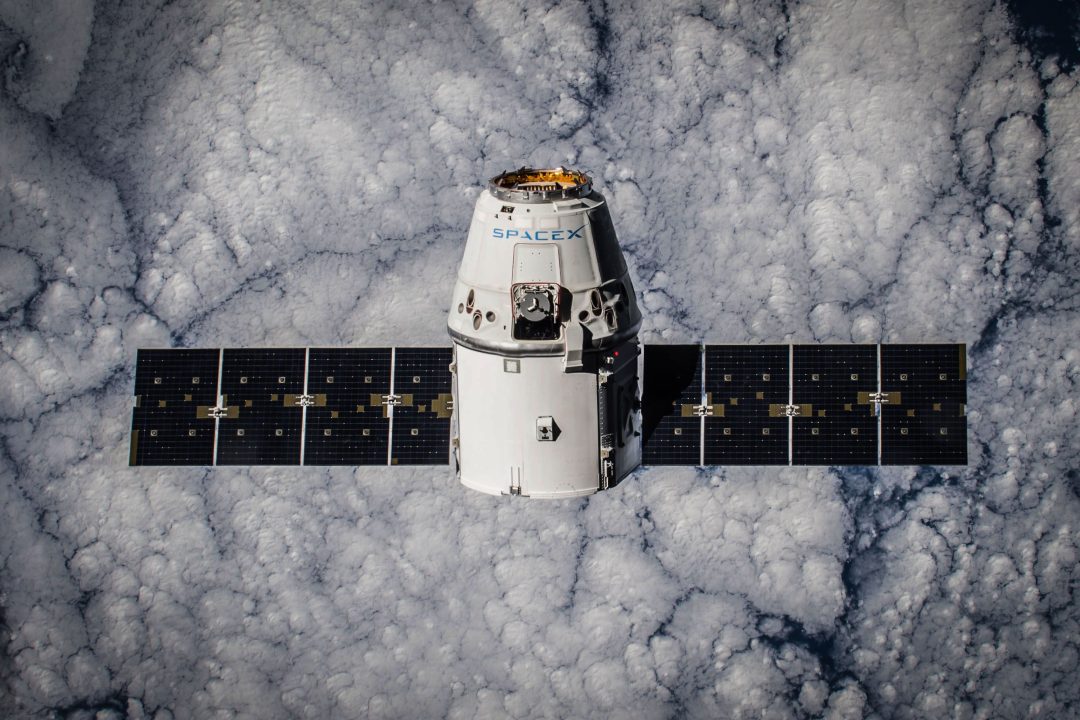
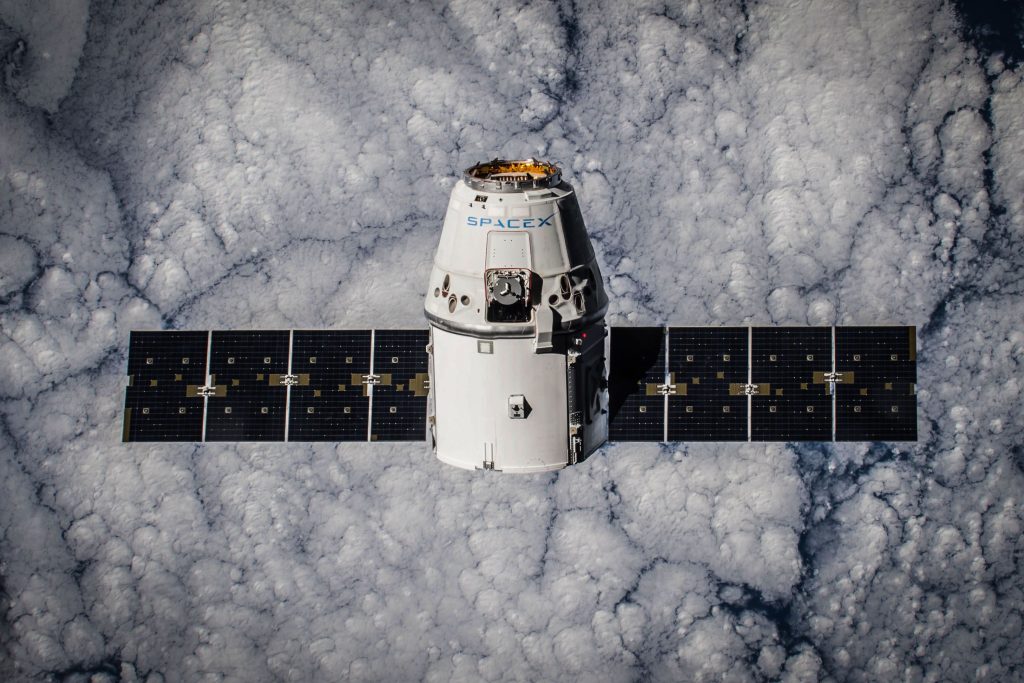
(Singapore, 07.10.2026)Elon Musk’s SpaceX is in talks to raise about $40 billion (S$51.21 billion) to buy Nvidia chips, potentially creating one of the largest debt-financing packages yet for artificial intelligence infrastructure as technology companies spend heavily to secure the computing power needed to develop increasingly advanced AI systems.
The company is discussing the financing with banks and investors, with Pacific Investment Management Co., or Pimco, among the investment managers considering the deal. The talks remain at an early stage and could still end without an agreement.
SpaceX is seeking about $10 billion in bank loans and another $30 billion in investment-grade debt, according to the Financial Times, which first reported details of the fundraising. Apollo Global Management is leading the financing, with the deal expected to close in 2027.
The enormous financing plan highlights how the global AI boom is increasingly spilling into debt markets. Technology companies and AI developers are investing hundreds of billions of dollars in data centres packed with powerful processors, while competition for chips, land, electricity and other infrastructure is pushing up costs.
SpaceX shares fell 1.2% in US postmarket trading to $169.79 following the report, erasing earlier gains, while Nvidia shares edged higher. SpaceX, Nvidia and Apollo did not immediately respond to requests for comment.
Musk Expands His AI Computing Empire
The fundraising comes as Musk rapidly expands the computing capacity supporting his AI businesses. SpaceX has evolved beyond its traditional rocket and satellite operations as Musk brings together an increasingly interconnected group of businesses spanning space, communications and artificial intelligence.
His xAI business is building Colossus 2, a massive AI computing cluster near Memphis. Musk said last month that the facility could more than double its current number of Nvidia chips by the end of the year.
Colossus 2 currently has 110,000 Nvidia GB200 chips and 440,000 GB300 processors. Musk said another 220,000 GB300 chips were due to become operational the following week, followed by another 220,000 in November. A further 220,000 could come online in late December if deployment proceeds as planned.
The scale of the expansion illustrates how access to advanced chips has become one of the most important factors determining how quickly AI companies can train and operate increasingly sophisticated models. Nvidia has emerged as the dominant supplier of processors used for this work, creating enormous demand for financing among companies seeking to build large computing clusters.
Musk’s companies have already turned to Wall Street to help fund that expansion. Apollo previously arranged a $7 billion financing for xAI to gain access to Nvidia chips. The debt was earmarked for a special-purpose vehicle designed to help the AI startup rent processors for the Colossus 2 data-centre site in Memphis.
xAI has also recruited several major financial institutions, including Apollo and Morgan Stanley, to test its Grok chatbot.
Wall Street Chases the AI Buildout
SpaceX’s proposed financing is part of a much larger rush by banks and investment firms to fund AI infrastructure. As companies race to expand computing capacity, Wall Street is developing increasingly large debt packages that allow AI developers to secure chips and data-centre capacity without financing the entire cost directly from their balance sheets.
Broadcom’s banking syndicate, for example, is working to assemble about $60 billion in new AI chip financing that could benefit Anthropic and other companies.
Apollo has also become closely involved in Nvidia’s effort to mobilise capital for its customers. In August, Nvidia announced a partnership with Apollo and several of the world’s biggest investment firms aimed at sourcing as much as $500 billion for AI infrastructure.
The coalition includes Blackstone, BlackRock, Brookfield Asset Management, Goldman Sachs and KKR. The group said it planned to create large dedicated pools of capital at attractive rates for Nvidia customers, with executives indicating that debt financing would be a major focus.
Such arrangements demonstrate how the AI investment boom is changing the relationship between Silicon Valley and global finance. Building a major AI cluster requires not only expensive Nvidia processors but also enormous data centres, power-generation equipment and electricity supplies, turning AI development into an increasingly capital-intensive infrastructure business.
The proposed SpaceX transaction would push that trend further. At $40 billion, the financing alone would be more than five times the size of Apollo’s earlier $7 billion package for xAI and would underline the extraordinary amount of capital now being directed toward securing AI computing capacity.
For Nvidia, the emergence of specialised financing also offers a way to support demand from some of its biggest customers. Instead of relying entirely on technology companies to fund chip purchases themselves, banks, private-capital firms and institutional investors can provide the money needed to acquire or lease processors.
SpaceX’s fundraising discussions are still preliminary, leaving the structure and final size of the transaction open to change. If completed as planned in 2027, however, the deal would add another multibillion-dollar financing package to a rapidly growing pipeline as Wall Street competes to fund the infrastructure behind the global AI expansion.