
























(Singapore, 13.11.2026)The more advanced the technology, the scarcer the trust. As artificial intelligence rapidly reshapes how news is produced and disseminated, how the media can uphold professional values and earn public trust has become a critical issue the news industry must confront.
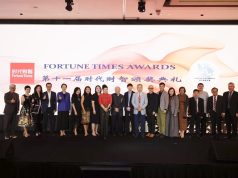
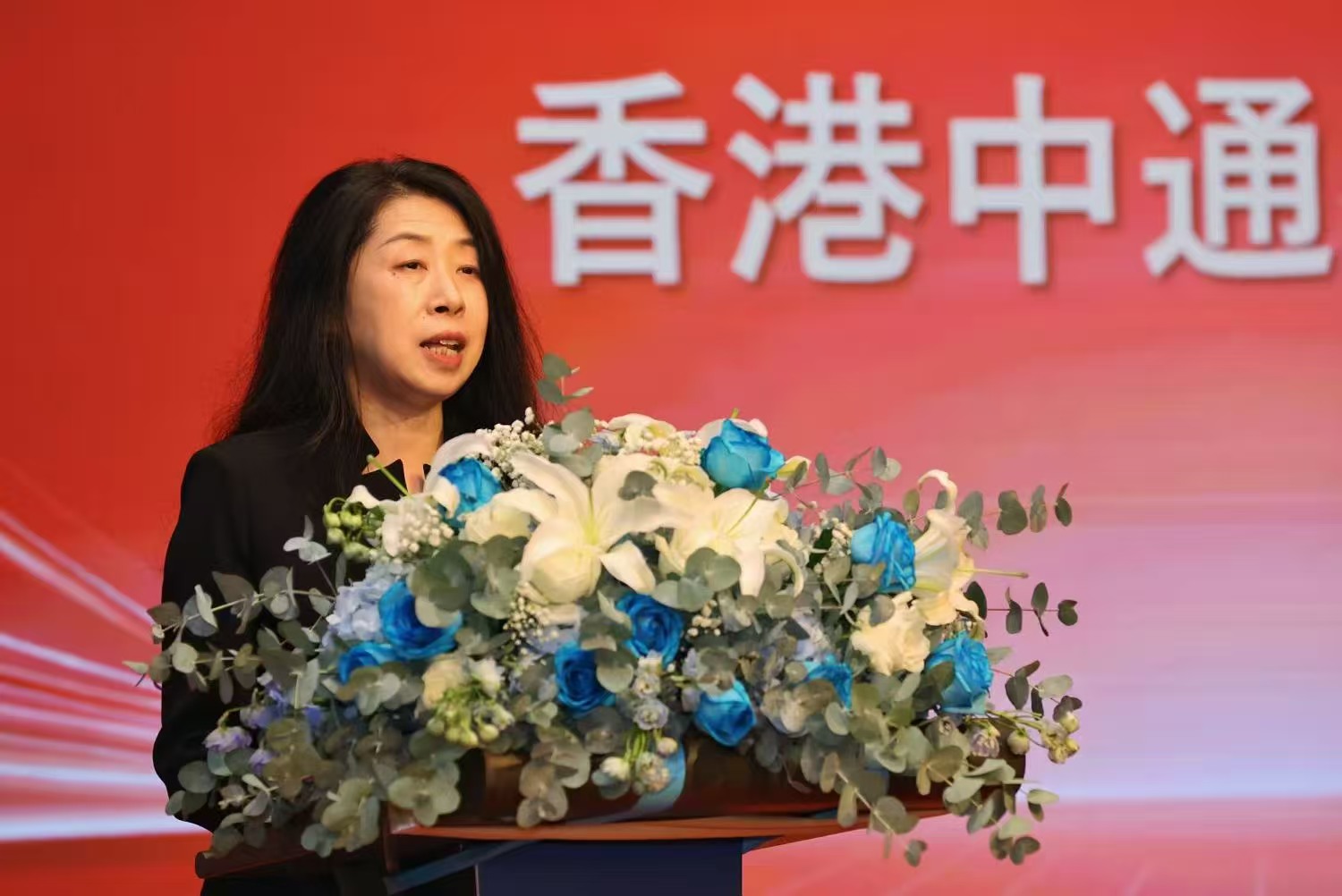
On November 13, the Hong Kong China News Agency (HKCNA) celebrated the 70th anniversary of its founding. To mark this important occasion, HKCNA held a series of celebration events at The St. Regis Hong Kong that day, with senior executives from more than 60 overseas Chinese-language media outlets across Hong Kong, Macao and Taiwan, Southeast Asia, East Asia, Australia, Europe and the Americas, as well as from central media organizations stationed in Hong Kong, attending the grand gathering.
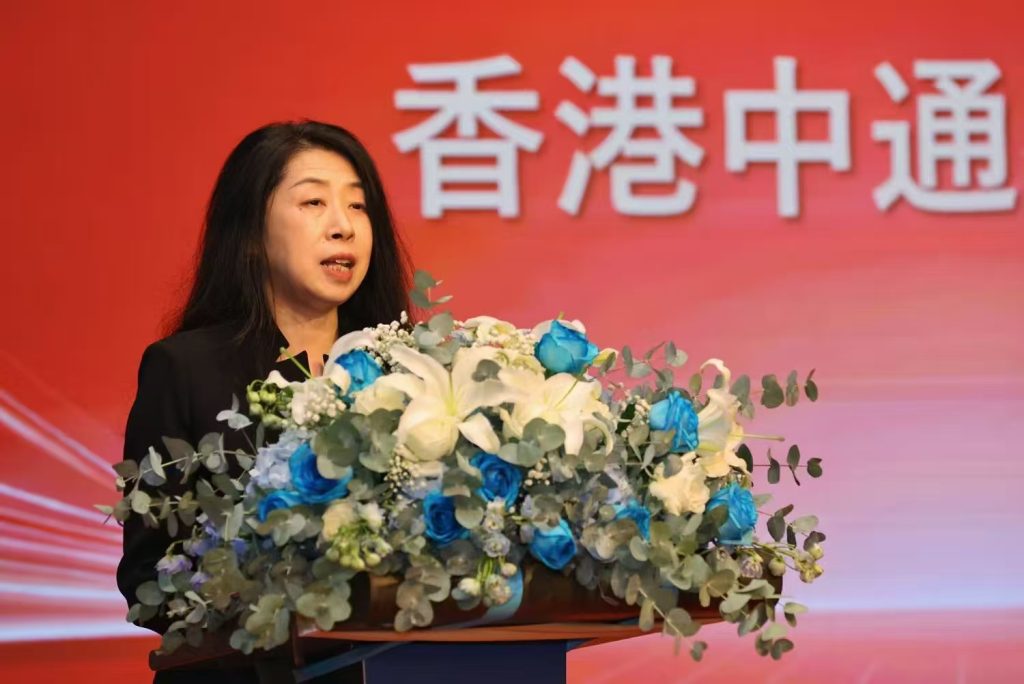
Speaking at the ceremony marking HKCNA’s 70th anniversary, Director Zhang Hong noted that amid profound changes in the media landscape, news agencies must not only adapt to the changes brought by new technologies but also uphold professional journalistic standards, playing their role in information verification, bridging different societies and connecting Chinese communities worldwide.
She outlined four directions for HKCNA’s future development: serving as an important pillar of social trust, a bridge connecting different perceptions, an influential communication platform, and a Chinese-language media outlet with warmth.
The More Advanced the Technology, the Greater the Need for Media to Build Trust
As artificial intelligence continues to enter news production and dissemination, access to information has become more convenient, but the authenticity, accuracy and credibility of information also face new challenges.
Zhang Hong pointed out that the more advanced the technology, the scarcer the trust. The professional functions of news agencies in news gathering, integration, verification and gatekeeping should serve as an important pillar of social trust.
As a long-established news agency in Hong Kong, HKCNA needs to respond to the demands of the times with professional journalistic standards and credibility.
This judgment also reflects the changes the news industry is facing: when technology can produce and disseminate information on a massive scale, the value of the media lies not only in providing information but also in helping the public discern facts and understand events.
Hong Kong’s Unique Advantage: Connecting Different Societies and Cultures
Zhang Hong believes that audiences in different regions often face cognitive gaps and narrative disparities when confronted with the same issues.
Hong Kong’s character as a city where East meets West and which connects the world in all directions gives HKCNA the unique advantage of connecting at home and abroad and bridging Hong Kong, Macao and Taiwan.
She stressed that HKCNA should play a bridging role between different perceptions and narratives, serving both as a transmitter of information and as an interpreter between different cultures and societies, enhancing understanding and exchange while reducing misreading and prejudice.
Against the backdrop of increasingly diverse international information dissemination, where different societies may hold different understandings of the same event, this cross-regional and cross-cultural communication capability is also an important value of Hong Kong’s media.
Embracing AI to Expand Media Reach and Influence
In the face of new technologies such as artificial intelligence that are constantly rewriting the way information is disseminated, Zhang Hong said HKCNA will continue to expand its all-media communication layout, connecting different audiences through more flexible and diverse content forms and channels.
She believes that the media must adapt to changes in communication technologies and audience habits, while also exploring more engaging and accessible narrative expressions so that valuable news stories can spread further.
This means that the future development of traditional news agencies depends not only on their capacity to produce news content but also on how they use new technologies and platforms to reach audiences more effectively.
Seventy Years Serving Chinese Communities Worldwide, Continuing the Mission of Chinese-Language Media
Reviewing HKCNA’s 70-year history, Zhang Hong particularly emphasized its long-standing mission of serving overseas Chinese and overseas Chinese-language media.
She said that looking to the future, this commitment and companionship will not change. HKCNA will continue to convey warmth through news and information services, build resonance in telling Chinese cultural stories, and use the media as a bond to connect Chinese communities across the five continents and four seas.
For overseas Chinese-language media, news dissemination is not only an information service but also carries the functions of cultural exchange, social connection and emotional identity.
Zhang Hong said that HKCNA was born of the times, and its cause continues to develop as it is passed down from generation to generation. Standing at the new starting point of its 70th anniversary, HKCNA will continue to uphold journalistic professionalism, stay true to its founding mission, and make news reports a window for observing the world, a record witnessing history, and a bridge connecting people.
She also expressed her wish to continue working hand in hand with Chinese-language media colleagues around the world.
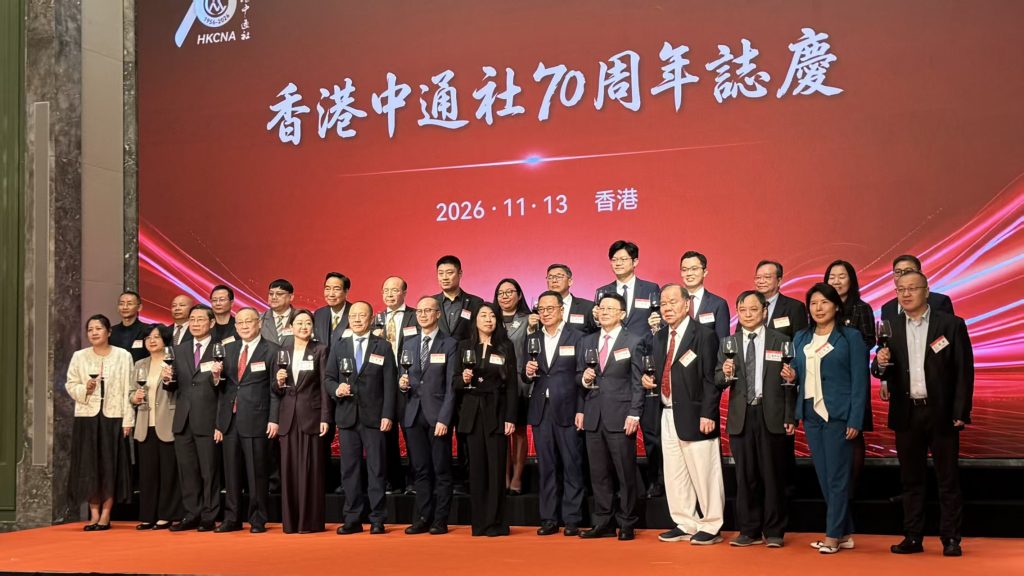
From journalistic professionalism and social trust to cross-cultural communication, AI applications and connections with Chinese communities worldwide, Zhang Hong’s speech raised the core propositions that traditional news agencies must confront in the new era of communication: technology can change the way news is produced and disseminated, but the foundation for the media to win social trust remains professionalism, credibility and responsibility.