



















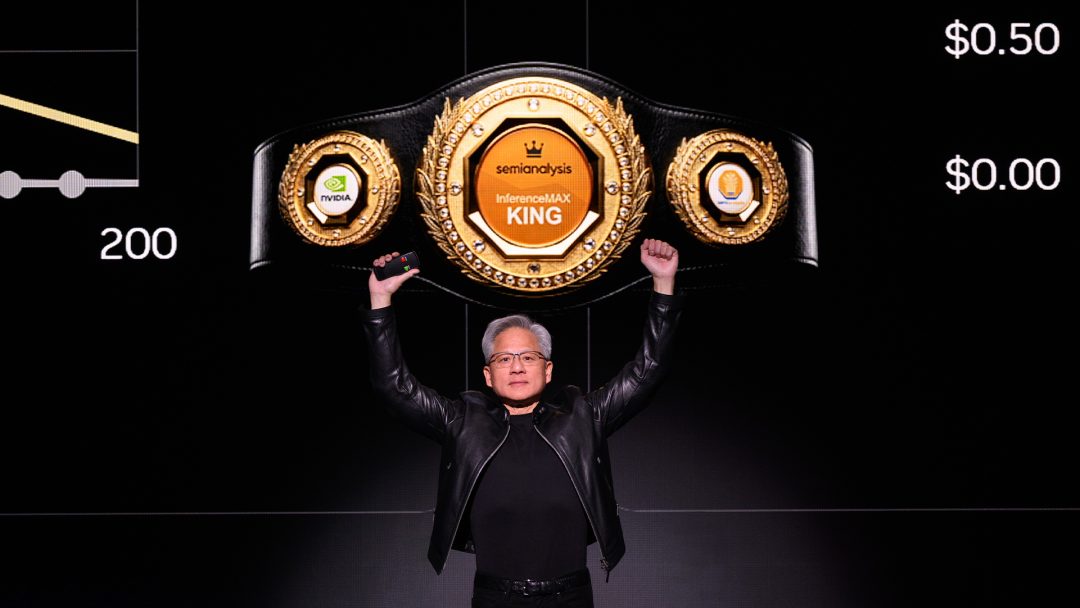
(Singapore, 23.11.2026)Nvidia’s board voted unanimously on Monday to reinstate co-founder Jensen Huang as president and chief executive and restore his seat on the board, less than two weeks after he stepped down. The decision took effect immediately and followed a series of meetings with Huang and input from senior US government officials. Huang led Nvidia for more than three decades before stepping down. An independent inquiry into reports that he was the target of a foreign intelligence effort remains under way.
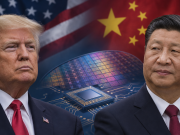
The vote reversed the board’s position only days after it had rejected Huang’s offer to return. Bloomberg reported that President Donald Trump, who had publicly backed Huang, told CNBC he had spoken to the board directly and indirectly about bringing him back. Trump said he believed his intervention had been important and that Nvidia’s long-term significance to the United States weighed more heavily in his thinking than the recent stock market decline.
In announcing the decision, Nvidia said its directors were satisfied with Huang’s candour and ability to lead the company following their discussions with him. The board said it was confident, based on input from senior levels of the US government, that his reinstatement posed no national security risk. Chair Harvey C. Jones said the directors considered Huang the right person to lead Nvidia and believed his return served the interests of shareholders, employees, partners and customers.
Jones will remain chair, while Colette Kress, who served as interim chief executive, will continue as chief financial officer. Huang said he was honoured to return. He thanked the board for its confidence, Jones for his leadership as chair, and Kress and the executive team for running Nvidia during his absence.
Independent directors continue inquiry
Huang stepped down on 12 November after reports about his personal relationships, including an affair with a woman US authorities reportedly suspected of spying for China. Beijing denied the espionage allegation. Trump said in a social media post on Monday that the US government had no evidence Huang had engaged in unlawful conduct. Nvidia said its own review of reports that Huang had been the target of a foreign intelligence effort would continue to its conclusion.
Nvidia assigned the inquiry to a committee made up entirely of independent directors, which retained external counsel to assist it. The company said Huang supported the inquiry and had committed to cooperating. Nvidia also said it would continue to cooperate with ongoing government investigations and enquiries. The reinstatement announcement gave no timetable for the independent directors to complete their work.
The board has also set up a committee of independent directors to oversee national security and export-control risks. Nvidia said the committee was engaging counsel with national security experience and that the company had begun recruiting a chief compliance officer. The new officer will oversee compliance across Nvidia and report to the board’s nominating and corporate governance committee.
The board’s increased oversight comes as Nvidia changes its approach to chip sales in China. Late last year, the Trump administration eased restrictions to allow the company to sell its H200 AI chips to China. Kress told investors last week, while serving as interim chief executive, that Nvidia would stop selling those chips to China, including products it had been licensed to sell.
The administration’s role has drawn attention in Washington. Democratic Senator Elizabeth Warren called for an explanation of what input the administration gave Nvidia and which senior officials were involved. Her request comes after Trump publicly endorsed Huang’s return and described his own conversations with the board, while Nvidia’s announcement referred more broadly to input from senior levels of government.
Investors weigh continuity and oversight
Nvidia shares jumped by about a third in Monday trading as investors welcomed the return of the executive who built the company into the leading supplier of chips used to train and run AI models. The reaction extended across the technology sector, where some companies rely on Nvidia for computing hardware or financing for AI infrastructure. The rebound followed a sharp sell-off the previous week, when uncertainty over Nvidia’s leadership added to doubts about the pace of AI spending.
Morningstar’s Lindsey Stewart told Reuters that investors could welcome Huang’s return given his record of creating value at Nvidia while still asking who was best placed to oversee the company’s major risks. The speed of the reversal, after the board had only recently accepted Huang’s resignation, left that question open, Stewart said.
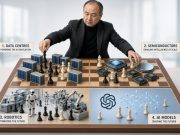
For Nvidia’s customers, the episode also brought attention to the risks of depending heavily on a single supplier for AI infrastructure. Stephanie Balaouras, a research director at Forrester, said businesses should continue developing alternatives in their infrastructure plans. Huang’s reinstatement could ease immediate concerns about who would lead Nvidia, she said, while customers still had to account for how much of their computing capacity depended on one provider.