
























(Singapore, 26.11.2026)A projected decline in global solar installations this year is drawing attention to a new challenge for the industry, as some major markets shift from adding panels at record speed to finding better ways to use the electricity they produce.
For Singapore homeowners and businesses considering rooftop solar, the development brings a practical issue into focus. The value of a system depends on how much electricity it generates, when that power is produced and how closely it matches consumption.
In an interview on Bloomberg’s Zero podcast published on 26 November, Jenny Chase, lead clean power analyst at BloombergNEF, said solar was beginning to saturate daytime electricity supply in parts of major markets, particularly China. That is weakening the economics of further installations in some areas, even as solar continues to expand its contribution to electricity generation.
The discussion cited a forecast of approximately 584 gigawatts of new solar installations worldwide in 2026, down from 655 gigawatts in 2025. Those figures refer to annual additions, rather than the world’s total installed solar capacity, which continues to grow as new projects are completed.
China accounts for a large share of global deployment, meaning a retreat from last year’s exceptional installation boom has a substantial effect on the worldwide figure. Chase also pointed to changes requiring new renewable projects in China to participate in electricity markets, exposing their revenues more directly to power prices.
When many solar plants generate at the same time, the additional supply can push down the price of electricity during sunny hours. That benefits buyers able to consume power at those times, but can reduce earnings for generators selling into the market.
Chase’s assessment was that the industry was entering a period in which making better use of existing generation would become increasingly important. Some markets still have considerable room to grow, while others are experiencing steadier demand after years of rapid expansion.
The forecast therefore does not establish that rooftop solar has become uneconomical in Singapore. It highlights why local electricity arrangements and a property’s consumption patterns matter when assessing an installation.
What the next phase means for Singapore users
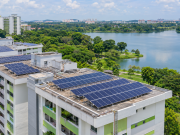
Singapore is continuing to expand its solar ambitions. The Energy Market Authority (EMA) said in October that installed capacity had reached 2.3 gigawatt-peak, with targets of 3 gigawatt-peak by 2030 and 4 gigawatt-peak by 2035.
The country also plans to increase energy storage capacity from about 350 megawatt-hours to just over 1 gigawatt-hour by 2030. This is a system-wide ambition, rather than a requirement for homeowners to add batteries.
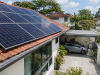
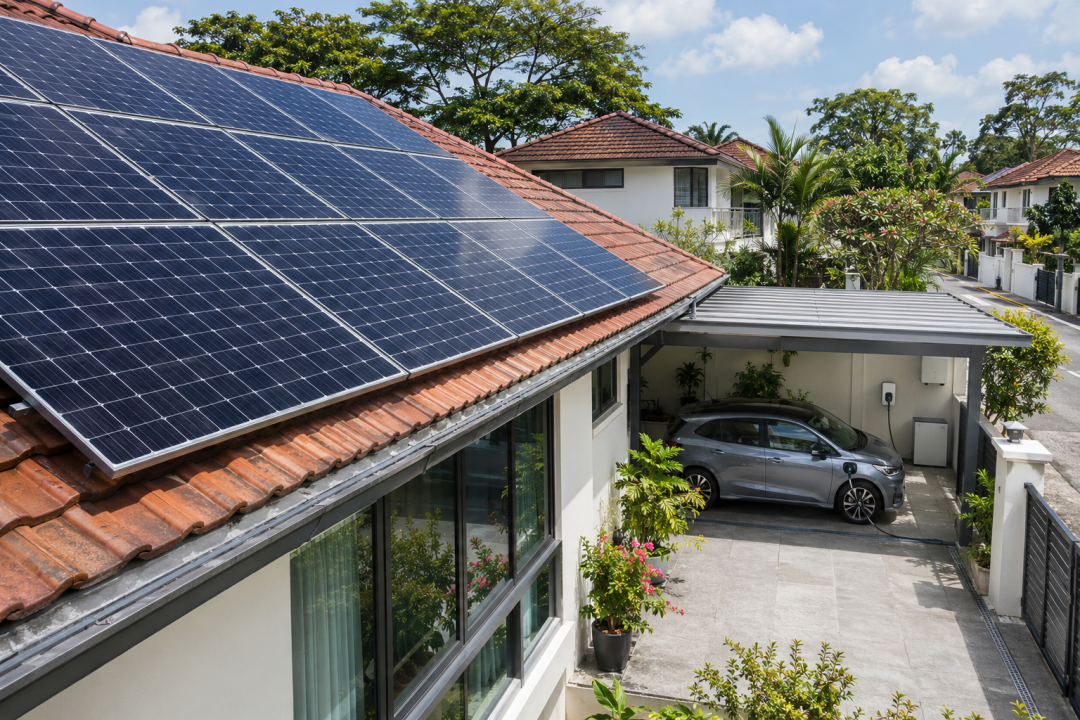
For an individual property, a useful starting point is the relationship between daytime solar output and electricity demand. Homes with daytime air-conditioning, appliances or other regular loads can use some generation directly, reducing the electricity they need to purchase during those hours.
Businesses operating mainly during the day may also have consumption patterns that align with solar production. Actual results depend on factors including roof conditions, shading, system design and operating schedules.
Electricity that is not consumed on site may be exported to the grid, but the payment arrangements are important. Under EMA’s Simplified Credit Treatment scheme, eligible consumers buying electricity from SP Group receive credits based on the regulated tariff minus grid charges.
Consumers buying electricity from retailers may instead register under the Enhanced Central Intermediary Scheme, where export payments are linked to prevailing half-hourly wholesale electricity prices. Export earnings can therefore differ from the price a household pays for electricity it imports.
That distinction means a projection based solely on total annual generation can miss part of the financial picture. A more useful assessment separates electricity consumed directly from electricity exported, using the applicable purchase prices and export payment arrangements.
Batteries can change that balance by storing daytime output for later use. Chase described storage as an increasingly integral part of solar project development, with falling battery costs opening opportunities beyond the electric vehicle market that helped build manufacturing scale.
However, she also cautioned that storage faces its own competitive pressures. As more batteries charge during low-price periods and discharge during higher-price periods, they can narrow the price differences on which market-based trading revenues depend.
For households, storing solar power for evening use involves a different calculation from operating a large battery that trades electricity. The assessment needs to account for the installed cost, energy lost during charging and discharging, usable capacity, degradation, warranty terms and the value of electricity that would otherwise have been exported.
A home that already consumes much of its solar generation during the day may have less surplus available for storage. A household with substantial evening demand may have more potential to shift solar use, although the additional savings still need to justify the battery’s cost.
Future electric vehicle ownership can also affect system planning. Charging a vehicle at home during sunny hours may increase direct solar consumption, while a vehicle that is usually away during the day presents a different pattern. Charger scheduling and expected driving needs therefore matter alongside roof capacity.
Chase said there was anecdotal evidence of European households installing larger solar systems as they anticipated greater electricity use, including vehicle charging. She stressed, however, that the evidence did not yet establish a broad, measurable solar-led electrification trend.
Singapore’s latest initiatives also address the practical conditions for wider rooftop adoption. EMA announced in October that it was working with the Sustainable Energy Association of Singapore to explore a one-stop digital portal helping owners of landed homes understand solar options, connect with installers and consider group purchases.
The authority is also collaborating with the Energy Research Institute @ NTU to study how local electricity networks can accommodate more solar in landed residential estates. The work will map network capacity and help anticipate upgrades as more properties begin exporting electricity from their rooftops.