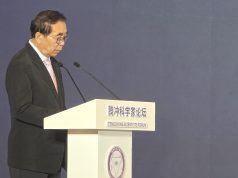

























(Singapore, 28.05.2026)From 26 to 28 May, the 2026 Maritime Silk Road Port Cooperation Forum (MPF) was held in Ningbo, Zhejiang Province. More than 1,000 delegates from over 70 countries and regions gathered for the forum’s 10th anniversary edition, with the event reaching record highs in terms of the calibre of participants, geographical reach and depth of engagement.
Looking back to 2015, the inaugural Maritime Silk Road Port International Cooperation Forum was convened in Ningbo, marking the beginning of an “Eastern rendezvous” for the global ports and shipping industry. Over the past decade, the forum has attracted more than 10,000 participants from over 120 countries and regions, released 104 major industry outcomes, and facilitated more than 340 multilateral and bilateral business cooperation meetings, becoming a key platform for exchanges and collaboration among ports along the Maritime Silk Road.
Dialogue: Building Resilience amid Global Shipping and Port Challenges
As one of the most important modes of international trade transport, global shipping plays a pivotal role in the international economic and trade landscape.
In 2015, against the backdrop of mounting pressure on the global economic and trade environment, the worldwide ports and shipping sector entered a period of adjustment. Strengthening communication and cooperation among international ports became a shared priority across the industry. It was in this context that the inaugural MSR Forum was launched, providing an important platform for dialogue, cooperation and shared development within the global ports and shipping community.
Since its establishment in 2015, the MPF has remained committed to the principles of “openness and inclusiveness, resilient collaboration, and shared value”, while upholding the approach of “extensive consultation, joint contribution and shared benefits” to promote global dialogue and cooperation across the ports and shipping sector. Achievements of the forum have been included on multiple occasions in the outcomes list of the Belt and Road Forum for International Cooperation.
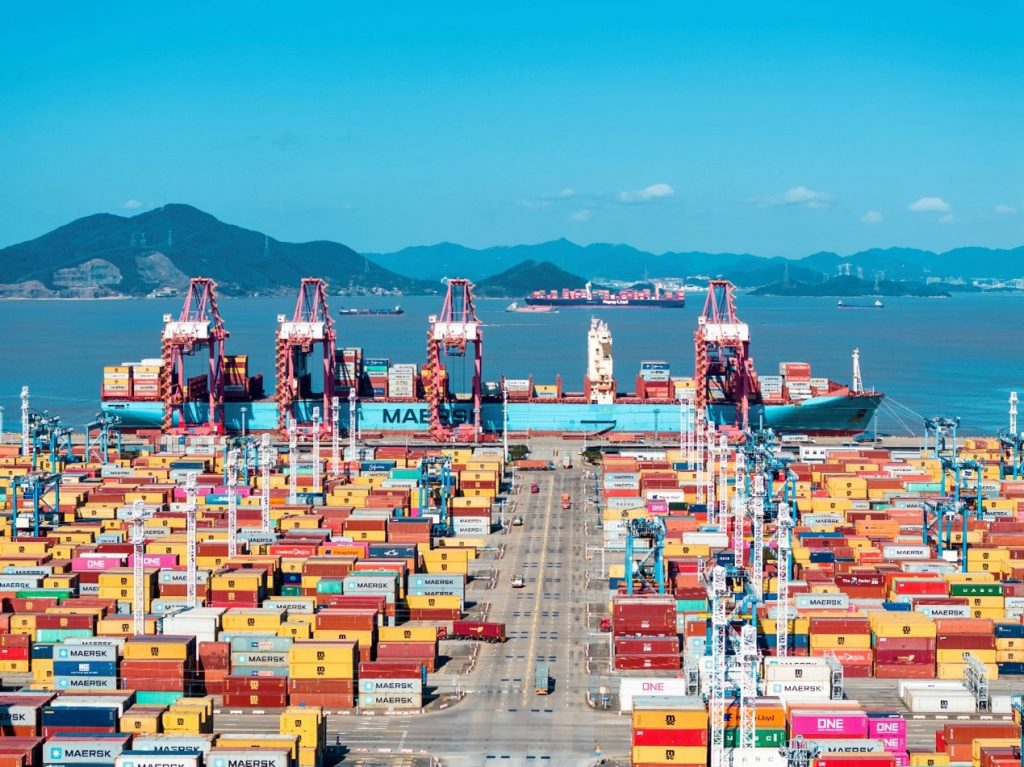
Today, as global supply chains undergo profound restructuring, geopolitical dynamics continue to evolve, the urgency of green transition intensifies, and digital and intelligent transformation accelerates, the ports and shipping industry finds itself at an unprecedented crossroads.
This year’s forum, themed “Resilient Synergy, Shared Prosperity”, was jointly organised by the Ningbo Municipal People’s Government, the Zhejiang Provincial Department of Transport, the Zhejiang Provincial Department of Marine Economic Development, and the Zhejiang Provincial State-owned Assets Supervision and Administration Commission. The event was hosted by Zhejiang Provincial Seaport Investment and Operation Group Co., Ltd and Ningbo Zhoushan Port Company Limited.
In terms of agenda design, this year’s forum marked a notable shift — moving away from the broader industry-wide discussions of previous editions towards a more practical approach focused on frontier issues, specialised sectors and diversified cooperation. The forum featured high-level dialogues and thematic seminars on key areas including green shipping, smart logistics and maritime law, aimed at assessing industry trends, building consensus on transformation and exploring new pathways for development.
At the same time, a series of salons, closed-door meetings and international training sessions were held on specific business areas such as iron ore, commodity futures and container freight indices, promoting targeted business matchmaking, professional knowledge-sharing and collaborative efforts to address critical industry challenges. The forum also included a range of supporting activities, including Overseas Investment Fair 2026, the HI SEA Party and port-city visits, further expanding channels for exchange and fostering diversified cooperation.
Collaboration: Learning from One Another to Navigate New Transformations
Consensus is forged through dialogue, while cooperation is strengthened through mutual learning.
At this year’s MPF, representatives from port and maritime authorities, shipping and logistics companies, universities and consultancy institutions, as well as upstream and downstream enterprises in the global ports and shipping industry from countries and regions across six continents, engaged in in-depth discussions on key issues including supply chain resilience, green and low-carbon development, smart innovation and the upgrading of shipping services. Participants shared practical experience and forward-looking insights from around the world, building broader consensus for cooperation through exchanges of ideas.
David Osborn, Director of the Marine Environment Division at the International Maritime Organization, said that building sustainable maritime transport and port-related supply chains, while advancing the decarbonisation of shipping, has become one of the central priorities for the global maritime sector. However, he noted that such goals cannot be achieved by any single organisation alone, but require collective efforts, shared expertise and close cooperation among all stakeholders.
On 26 May, ahead of the opening of the forum, the Maritime Silk Road Partner Ports Cooperation Conference delivered fruitful outcomes. A total of 67 organisations from 43 countries and regions jointly released the “2026 Maritime Silk Road Partner Ports Consensus”, calling for stronger sharing of innovative practices in areas such as smart operations, green and low-carbon development, and supply chain collaboration. The consensus also advocated enhanced mutual learning, deeper coordination mechanisms, clearer priorities for cooperation and improved institutional support, with the aim of helping the global ports and shipping industry jointly respond to emerging changes and challenges.
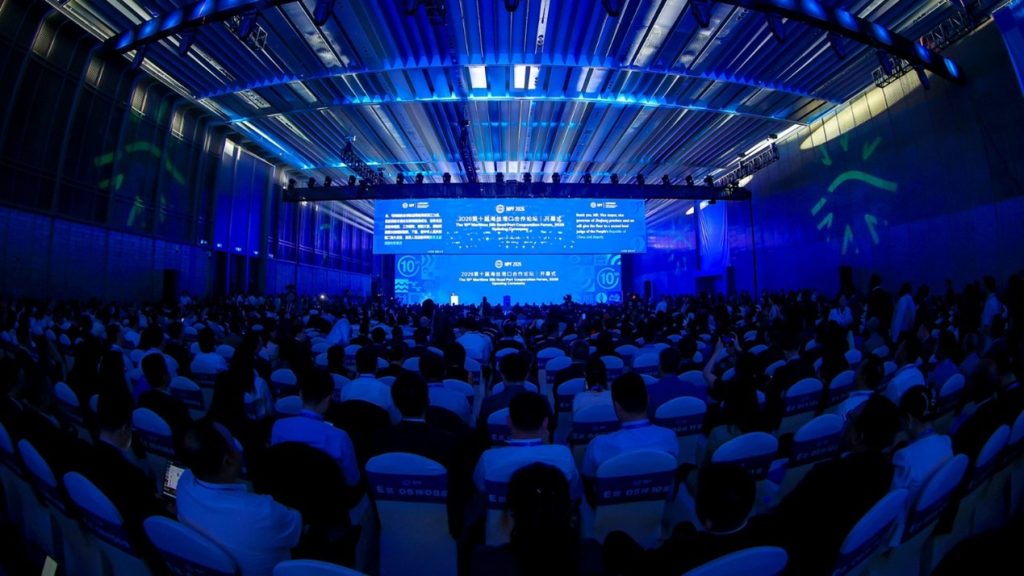
At the opening ceremony, Ningbo Zhoushan Port signed a Green Shipping Corridor Initiative with the Port of Valencia in Spain, France’s HAROPA Port Alliance, Abu Dhabi Ports Rein the United Arab Emirates, the Port of Algeciras in Spain and the Port of Felixstowe in the United Kingdom, demonstrating through concrete action a shared commitment to addressing the global transformation of the ports and shipping industry.
This represents only one example of the forum’s growing international influence. Over the past decade, the MPF has steadily expanded its global network of partners. What began with a focus on regional cooperation in Southeast Asia has gradually extended to Europe, the Americas and other parts of the world, with both the scope and geographical reach of cooperation continuing to broaden. Leveraging the forum’s platform advantages, Ningbo Zhoushan Port itself has also achieved leapfrog development, becoming a vivid example of high-quality growth in the global ports and shipping sector.
In 2025, Ningbo Zhoushan Port handled 1.432 billion tonnes of cargo, ranking first globally for the 17th consecutive year. Container throughput reached 43.87 million TEUs, up 11.6 per cent year on year, maintaining its position as the world’s third-busiest container port.
Tao Chengbo, Chairman of Zhejiang Provincial Seaport Investment and Operation Group Co., Ltd and Ningbo Zhoushan Port Company Limited, said that profound changes unseen in a century are accelerating worldwide, with the global ports and shipping industry entering a critical stage of deep adjustment and systemic restructuring. He noted that Ningbo Zhoushan Port would continue to pursue the goals of carbon peaking and carbon neutrality, build greener logistics systems, and promote coordinated efforts across ports, shipping and inland distribution networks to advance emissions reduction throughout the entire logistics chain.
Insights: New Trends and Opportunities in the Global Ports and Shipping Transformation
After a decade of development, the MPF has become a key barometer for understanding transformational trends in the global ports and shipping industry and identifying new opportunities for industrial growth.
This year’s forum released a series of research reports, including the Comprehensive Evaluation Report on World-Class Ports (2026), the 2025 Annual Analysis Report on China’s Port Operations, and the China Multimodal Transport Development Report (2025), all of which highlighted emerging trends and signals within the industry.
According to the China Multimodal Transport Development Report (2025), China made significant progress in multimodal transport development in 2025, with container-based multimodal transport volume reaching 140 million TEUs for the year, representing a year-on-year increase of 15.7 per cent.
Li Tao, Director of the Institute of Urban Transport and Modern Logistics under the Transport Planning and Research Institute Ministry of Transport, said the growth was driven by the coordinated development of multiple transport models, including rail-water intermodal transport, rail-road intermodal transport and river-sea intermodal transport. From both the perspective of domestic industry demand and practical implementation, he noted, the development of multimodal transport carries major strategic significance.
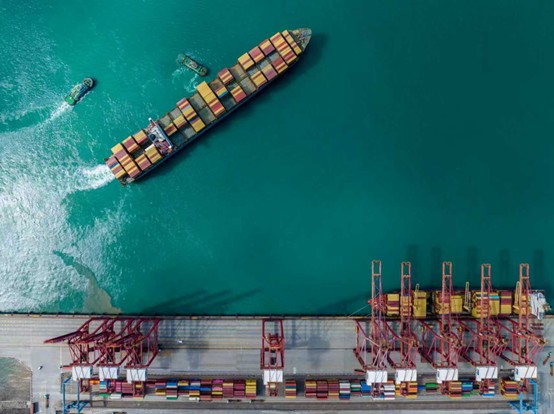
To help port enterprises and foreign trade cargo owners better track freight rate trends in real time and strengthen operational resilience, this year’s MPF also released the Ningbo Zhoushan Export Container Freight Index. The index is currently the world’s only container freight index compiled and published solely on the basis of completed booking and shipment transaction data provided by freight forwarding companies.
From fostering in-depth dialogue to building consensus, and from advancing practical cooperation to shaping industry guidance, the MPF has, over the past decade, evolved into a core platform connecting global ports and shipping cooperation across oceans and continents. Standing at a new starting point after ten years of development, the forum will continue to promote practical collaboration to support the steady and sustainable development of the global ports and shipping industry, injecting fresh vitality into the centuries-old Maritime Silk Road through enhanced connectivity and cooperation in the new era.
(Reported by Xi Jinyan)