















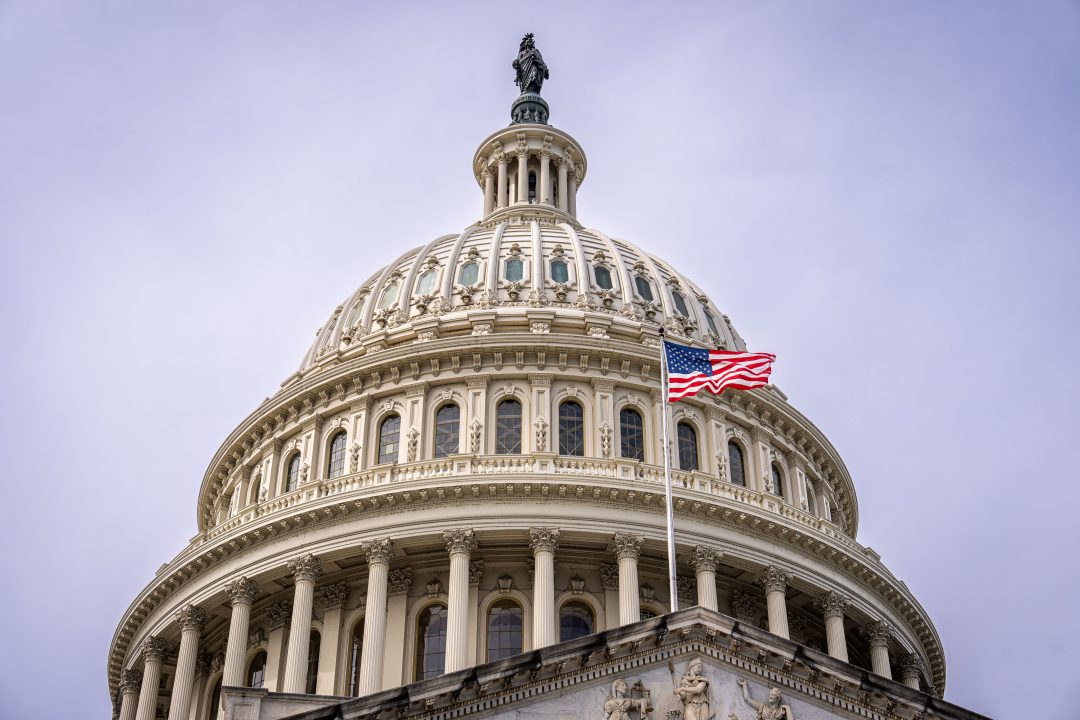
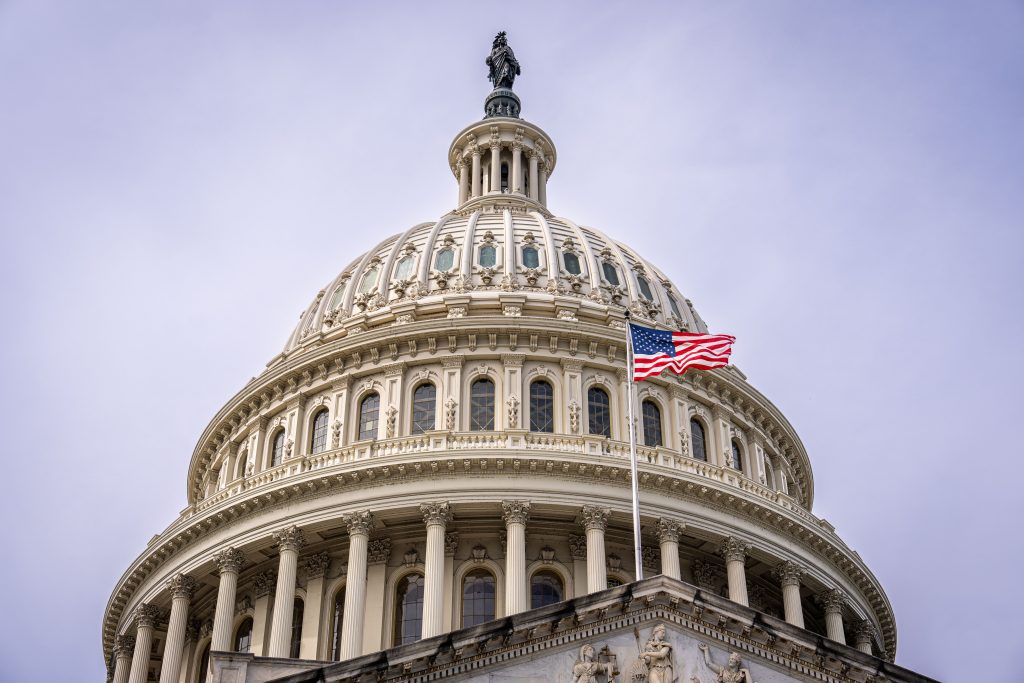
(Singapore, 30.06.2026)Washington’s most influential lobbying firms are cutting ties with major Chinese technology companies after a new US law forced them to choose between representing Chinese clients and maintaining business with the American defense industry.
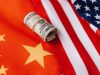
The new restriction, which took effect on Tuesday, is the latest step in Washington’s broader effort to tighten pressure on Chinese companies viewed as posing national security risks. It comes as tensions between the world’s two largest economies continue to extend beyond trade into areas such as artificial intelligence, advanced technology and military-linked businesses.
Lobbyists Cut Ties as Blacklist Expands
Under the new rule, the US Defense Department is prohibited from working with contractors whose lobbyists also represent companies placed on the Pentagon’s “1260H list” of Chinese military companies.
The requirement has prompted a wave of departures among Washington lobbying firms.
According to public lobbying disclosures, Alibaba Group has lost at least five lobbying firms, while Tencent Holdings has been dropped by four. Firms ending their representation include Brownstein Hyatt Farber Schreck, Mercury Public Affairs and MO Strategies.
MO Strategies confirmed it would comply with the new restrictions, while several other firms declined to comment.
The new measure affects lobbying work but does not prevent law firms from continuing to represent Chinese companies in court.
The latest developments illustrate how the Pentagon’s blacklist has evolved into a more powerful policy tool in US-China competition.
Originally created to identify companies believed to support China’s military through the country’s military-civil fusion strategy, the 1260H list has expanded rapidly in recent years.
The latest update in June increased the number of designated companies to 188, covering industries ranging from artificial intelligence and semiconductors to robotics, drones and electric vehicles.
Companies recently added include Alibaba, Baidu and BYD, joining Tencent, which was placed on the list last year.
Although the designation itself does not immediately prohibit commercial operations, it increasingly carries practical consequences. Besides the new lobbying restrictions, companies on the list face limits on future Pentagon contracts, with additional procurement restrictions scheduled to take effect over the next year.
Industry observers say the blacklist has become the foundation for broader US measures targeting Chinese technology companies.
Alibaba Faces Legal and AI Challenges
Alibaba has strongly denied any ties to China’s military and has filed a lawsuit seeking removal from the Pentagon’s blacklist.
The company argues that the designation has already caused significant business harm, including the loss of lobbying representation in Washington.
In court filings, Alibaba said several lobbying firms informed the company they would terminate their relationship because of the new rules.
Other Chinese companies placed on the list, including Baidu and BYD, have also rejected the Pentagon’s accusations and indicated they would pursue legal or administrative channels to challenge the designation.
Beijing has criticised the expanding blacklist, accusing Washington of overstretching the concept of national security to suppress Chinese businesses.
The lobbying setback comes during an especially sensitive period for Alibaba as it faces growing scrutiny over artificial intelligence.
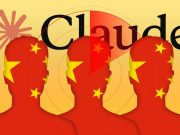
Last week, US AI startup Anthropic accused Alibaba of conducting what it described as a large-scale effort to gain unauthorized access to its Claude AI model.
According to Anthropic, operators linked to Alibaba’s Qwen AI team allegedly created nearly 25,000 fraudulent accounts and generated approximately 28.8 million interactions with Claude between April and June.
The company claimed the activity was intended to extract outputs from Claude in order to develop competing AI models through a process known as “distillation,” where one model is trained using another model’s responses.
Anthropic argued that such practices allow competitors to build advanced AI systems at a fraction of the original development cost while bypassing years of research and investment.
Alibaba has not commented publicly on the allegations.
The dispute has also attracted attention from US lawmakers. Members of Congress are considering legislation that would allow sanctions against Chinese companies found to have improperly accessed American AI systems for model development.
The latest actions reflect a wider shift in Washington’s approach toward China’s technology sector.
In recent years, the US government has expanded export controls on advanced chips, tightened investment screening, and introduced additional restrictions affecting Chinese firms operating in sensitive technology industries.
Some American defense contractors have also begun requiring consultants and advisers to formally confirm that they do not represent companies appearing on the Pentagon’s blacklist.
Legal experts say the new compliance requirements could carry serious consequences. Failure to comply may expose defense contractors to significant contractual risks, giving companies strong incentives to avoid any association with blacklisted Chinese firms.
While some observers believe smaller lobbying firms without defense-related clients may eventually step in to represent Chinese companies, others note that doing so could carry considerable political and reputational risks in Washington.
As geopolitical competition increasingly shapes business decisions, companies operating between the US and China are finding that commercial relationships are becoming more difficult to separate from national security concerns.