

























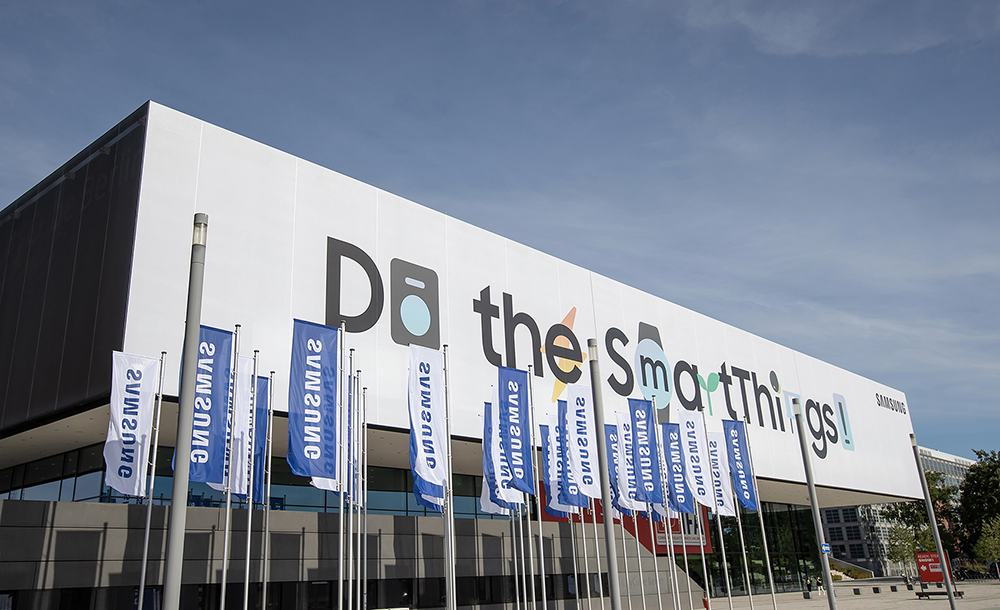
(Singapore, 21.05.2026)Samsung Electronics has reached a last-minute wage agreement with its labor union, avoiding a major strike that could have disrupted global semiconductor supplies during the artificial intelligence boom.
The agreement includes one of the largest employee bonus packages ever seen in South Korea’s technology industry. Workers in Samsung’s semiconductor division could receive bonuses averaging more than 500 million won (around S$430,000), while some employees in the memory chip business may receive as much as 626 million won (about S$530,000), mostly in company shares.
The deal followed weeks of tense negotiations between Samsung management and union representatives. Around 48,000 union members had planned an 18-day strike after talks over wages and performance bonuses broke down. The strike has since been suspended pending a union vote on the agreement from May 22 to May 27.
Investors welcomed the agreement, with Samsung shares surging nearly 8% in early trading as concerns over potential disruptions to global chip supplies eased, lifting South Korea’s benchmark stock index along with it.
AI Boom Fuels Record Rewards
Samsung’s semiconductor division has become one of the company’s key growth engines amid soaring global demand for AI-related chips and memory products.
Together with rivals such as SK Hynix and Taiwan Semiconductor Manufacturing Co., Samsung plays a crucial role in supplying advanced chips used in AI data centers worldwide.
Analysts expect Samsung’s chip profits to rise sharply in 2026 as companies continue investing heavily in AI infrastructure. Under the proposed agreement, Samsung will allocate 10.5% of operating profit from its chip division toward stock-based bonuses, along with another 1.5% in cash.
The bonus program is expected to continue for 10 years if profit targets are met. Employees will be allowed to sell one-third of their shares immediately, while the remaining stock will be released gradually over the following two years.
Samsung currently employs around 78,000 people in its semiconductor operations. According to Bloomberg calculations, the average payout could reach 513 million won (around S$430,000) per employee. By comparison, Samsung employees earned an average annual salary of about 158 million won (around S$130,000) in 2025.
The agreement has also brought relief across South Korea, as Samsung accounts for roughly a quarter of the country’s exports. A prolonged strike could have affected both the domestic economy and the global supply of AI chips.
In the city of Pyeongtaek, where Samsung operates its largest semiconductor complex, local businesses are hopeful the bonuses will boost consumer spending in the area.
Restaurant owner Lee Se-hee said nearby businesses could benefit from increased company dinners and group gatherings if workers receive large payouts.
Concerns Over Rising Costs and Unequal Payouts
Despite the relief, the agreement has also exposed divisions among Samsung employees.
Workers in the company’s highly profitable memory chip business are expected to receive significantly larger bonuses than employees in other divisions, particularly the foundry unit, which focuses on contract chip manufacturing and has faced weaker profits and stronger competition.
Some employees worry the gap could fuel frustration and lead to talent movement within the company.
A foundry engineer in Pyeongtaek said many workers may now try to transfer to the memory division or even move to SK Hynix, which has recently gained ground in AI memory technology.
Others questioned whether the compensation package could become too costly for Samsung in the long run.
Analysts noted that while paying bonuses in stock rather than cash helps reduce immediate financial pressure, overall labor costs are still expected to rise significantly.
Barclays economist Bumki Son said the generous rewards reflect intensifying global competition for semiconductor talent. However, he warned that South Korea’s rigid labor market could make it more difficult for companies to manage costs during future downturns.
Symbol of South Korea’s High-Pressure Work Culture
For decades, landing a job at Samsung has been regarded as one of the top achievements for South Korean students, who face intense academic competition in pursuit of stable and prestigious careers.
The extraordinary bonuses are now being viewed by many as proof that the sacrifices made within South Korea’s demanding education and corporate culture can eventually pay off, especially during the current AI-driven boom.
The situation also highlights the growing importance of semiconductor workers worldwide. As AI becomes increasingly central to global economic growth, companies like Samsung are under pressure to retain skilled engineers and technicians who are critical to maintaining chip production.
The AI rally has also boosted the wealth of Samsung’s founding family. Jay Y. Lee remains South Korea’s richest person, with a fortune estimated at around US$32 billion (about S$41 billion).
The agreement reflects how deeply the AI boom is reshaping the global semiconductor industry. As competition for advanced chip talent intensifies, companies like Samsung are increasingly being pushed to offer larger rewards to retain skilled workers, even as concerns grow over rising labor costs and widening gaps in compensation within the industry.