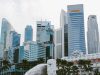

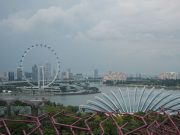



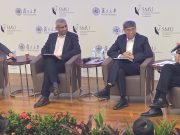

















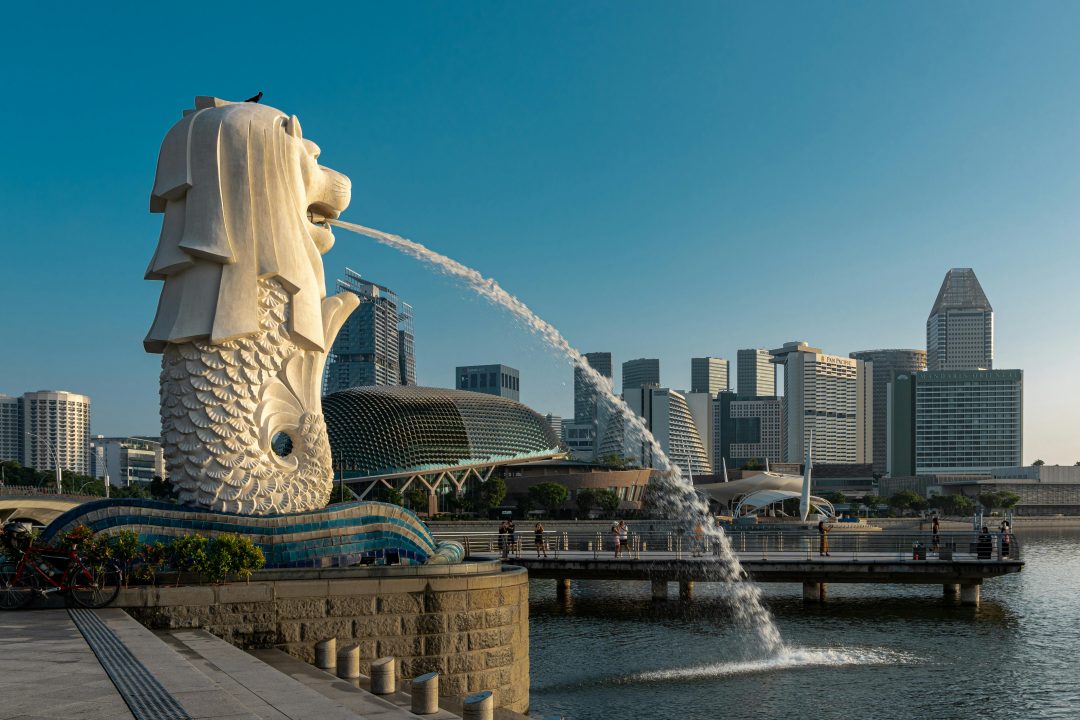
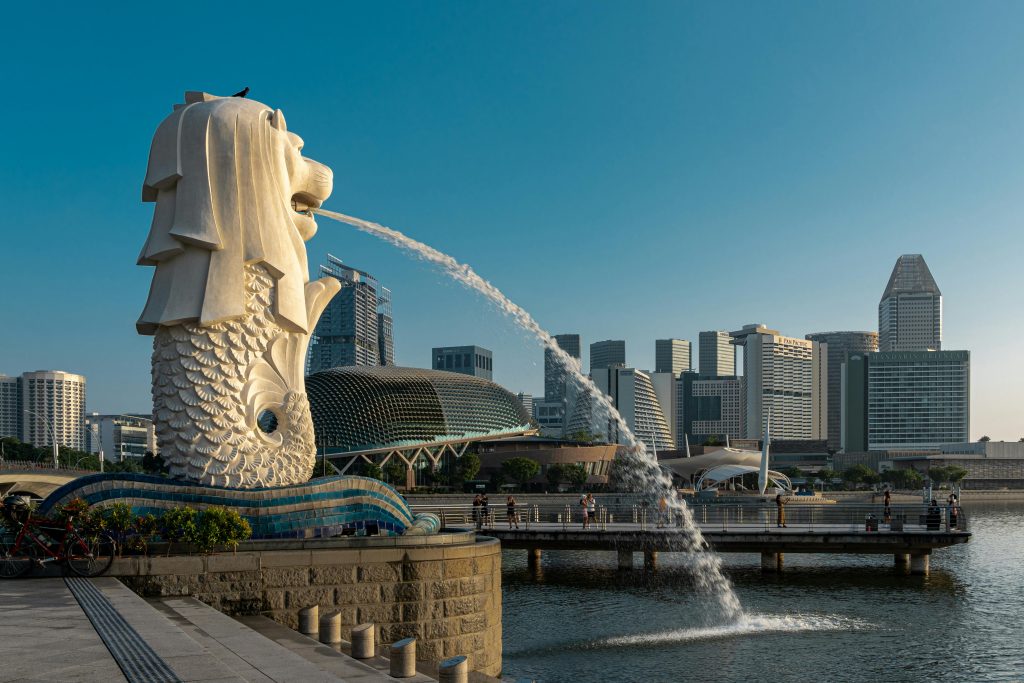
(Singapore, 29.05.2026)Defence ministers, military leaders and security experts from more than 40 countries have gathered in Singapore for the 23rd Shangri-La Dialogue, Asia’s premier security summit, as growing geopolitical uncertainties reshape the global security landscape.
The three-day forum, organized by the International Institute for Strategic Studies (IISS), comes at a time when conflicts in the Middle East and Europe continue to create economic and security challenges around the world. At the same time, increasing strategic competition between the United States and China is raising concerns across the Indo-Pacific region.
This year’s dialogue brings together more than 550 delegates, including defence ministers, armed forces chiefs and senior policymakers. Representatives from 44 countries are expected to discuss some of the most pressing security issues facing the region.
Vietnamese leader Tô Lâm will deliver the opening keynote address on Friday evening, marking the first time Vietnam’s top leader has addressed the summit. His appearance reflects Hanoi’s growing role as an independent strategic player in Southeast Asia.
One of the most closely watched speeches will come from United States Defense Secretary Pete Hegseth, who is scheduled to outline Washington’s Indo-Pacific strategy on Saturday.
Questions Over US Commitment to Asia
A key focus of this year’s dialogue will be the United States’ commitment to the Indo-Pacific region.
Many countries in Asia are closely monitoring whether Washington can maintain its focus on regional security while simultaneously managing conflicts in Europe and the Middle East. The ongoing Iran crisis has further intensified these concerns, particularly as disruptions to energy supplies have pushed oil prices higher and increased inflationary pressures across Asia.
Security experts expect many delegates to seek reassurance that the United States remains committed to maintaining stability in the region despite growing global challenges.
The Trump administration has repeatedly stated that the Indo-Pacific remains a strategic priority. However, some regional partners continue to question whether American resources and attention may become increasingly stretched by multiple international crises.
For many Asian economies, energy security has become an urgent concern. Any disruption to major shipping routes or energy supplies could have significant consequences for economic growth, trade and inflation.
US-China Competition Remains Central
As in previous years, relations between Washington and Beijing are expected to dominate discussions.
While recent meetings between US President Donald Trump and Chinese President Xi Jinping have produced more positive rhetoric and signs of improved communication, underlying strategic tensions remain unresolved.
Observers will be paying close attention to whether Hegseth adopts a more measured tone toward China compared to previous speeches. Last year, his remarks about China’s military activities drew strong criticism from Beijing.
One notable development this year is the absence of Chinese Defence Minister Dong Jun, who will skip the summit for a second consecutive year. Instead, China will be represented by a delegation from the People’s Liberation Army National Defence University led by Major General Meng Xiangqing.
Although the lower-level representation may reduce opportunities for direct high-level military engagement between China and the United States, discussions surrounding China’s growing influence are expected to remain a major feature of the summit.
Countries across Southeast Asia continue to face the challenge of balancing economic ties with China while maintaining security partnerships with the United States and its allies.
Taiwan Remains a Sensitive Flashpoint
Taiwan is once again expected to be one of the most sensitive issues discussed during the dialogue.
Rising military activity around the island has increased concerns among governments and businesses worldwide. China has intensified military exercises and patrols near Taiwan, while the United States and its allies continue to emphasize the importance of maintaining peace and stability across the Taiwan Strait.
The issue extends beyond military considerations. Taiwan plays a critical role in the global technology supply chain as home to the world’s largest semiconductor manufacturers. Any disruption to Taiwan’s production or shipping routes could have major consequences for industries worldwide, from consumer electronics to artificial intelligence.
As global demand for advanced chips continues to rise, Taiwan’s strategic importance has become even greater than in previous years.
Japan Expands Its Security Role
Another major topic at the summit will be Japan’s evolving defence policy.
Under Prime Minister Sanae Takaichi, Japan has accelerated efforts to strengthen its military capabilities and deepen defence cooperation with regional partners.
Earlier this year, Tokyo announced its most significant reform of defence export rules in decades, allowing the overseas sale of military equipment such as warships and missiles. The move reflects Japan’s growing willingness to play a more active role in regional security.
Japan has also steadily increased defence spending, reaching around 2 per cent of its gross domestic product. Additional increases are expected to be announced later this year as part of a new national security strategy.
While countries such as the Philippines have welcomed Japan’s stronger security engagement, China has expressed concern, warning against any return to militarism in the region.
Delegates at the dialogue will be watching closely to see how Japan balances its expanding security responsibilities while maintaining stable relations with Beijing.
Maritime Security Takes Centre Stage
Maritime security is expected to feature prominently throughout the three-day event.
Ongoing tensions in the South China Sea, freedom of navigation, and the security of critical shipping routes remain major concerns for governments and businesses alike.
Recent confrontations between China and the Philippines over disputed territories have highlighted the potential risks of escalation in regional waters. At the same time, uncertainty surrounding shipping through the Strait of Hormuz has reinforced the importance of secure maritime trade routes.
The Strait of Malacca, one of the world’s busiest shipping lanes, may also attract attention during discussions. As a key artery for global trade, any disruption to navigation through the waterway could have far-reaching economic consequences.
For countries across Asia, ensuring open and secure sea lanes remains essential for economic stability and regional prosperity.
A Forum for Dialogue in Uncertain Times
As geopolitical tensions continue to rise, the Shangri-La Dialogue provides a rare platform where military leaders, policymakers and security experts can exchange views face-to-face.
While disagreements among major powers remain significant, the forum offers an important opportunity for communication and confidence-building at a time when global security challenges are becoming increasingly interconnected.
With questions surrounding energy security, great-power competition, Taiwan, maritime disputes and regional defence cooperation, this year’s Shangri-La Dialogue is expected to play a key role in shaping security discussions across the Indo-Pacific in the months ahead.