



























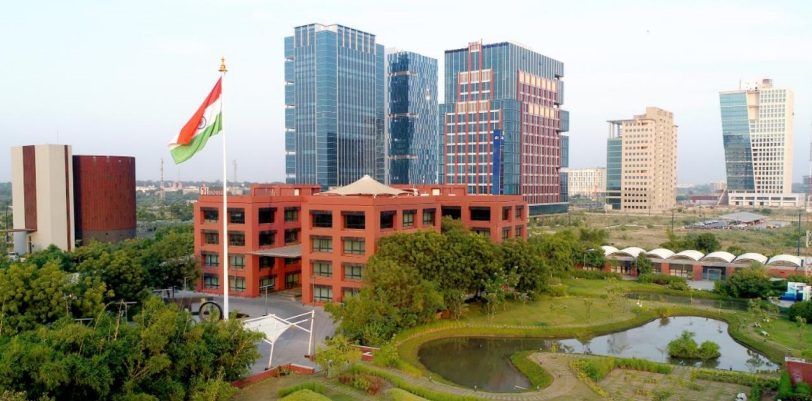
(Singapore, 05.06.2026)India’s ambitious international financial hub, Gujarat International Finance Tec-City (GIFT City), is entering a new phase of growth. As the financial center expands and attracts more global institutions, competition for experienced talent is becoming increasingly intense.
In recent months, several senior executives from foreign banks operating in GIFT City have stepped down from their leadership positions, highlighting the growing demand for experienced financial professionals as the hub attracts more global institutions and investment activity.
Industry observers say the departures reflect the increasing opportunities available within GIFT City, where banks, asset managers, insurers and financial services firms are rapidly expanding operations to capitalize on the city’s favorable tax incentives and business-friendly regulations.
According to people familiar with the matter cited by Bloomberg, Taral Shah, who headed the GIFT City operations of Singapore-based DBS Bank, recently resigned after spending nearly 13 years with the bank, including the past three years in the financial center.
Another notable departure involved Saiju Gandhi, who led Standard Chartered’s branch in GIFT City. Gandhi reportedly left the bank after more than two decades of service, including six years overseeing its operations within the hub. Standard Chartered has since appointed Anil Darak to take over the role.
Meanwhile, Mashreq Bank has confirmed that Bejoy Padamadan, head of its GIFT City branch, has also resigned. The bank said it is currently searching for a replacement. Padamadan’s departure comes only about a year after he joined the institution.
While banks have not publicly disclosed the reasons behind the exits, market participants believe the movement of senior executives reflects the growing competition among firms seeking experienced leaders capable of navigating the rapidly evolving financial ecosystem in GIFT City.
Growth Brings New Demand for Talent
Located in the western Indian state of Gujarat, GIFT City is Prime Minister Narendra Modi’s flagship project aimed at transforming India into a global financial services destination.
The development serves as India’s only International Financial Services Centre (IFSC) and hosts a wide range of international banks, asset managers, insurance companies and financial service providers. Major institutions such as HSBC, Standard Chartered, DBS, Mashreq Bank and Mitsubishi UFJ Financial Group have established operations there, alongside more than 200 asset managers, insurers and other financial firms.
The city’s appeal stems from its combination of tax benefits, simplified regulations and its role as a gateway for international financial transactions. As more firms expand their presence, the demand for experienced bankers, investment professionals and senior executives has risen sharply.
The competition for talent is expected to intensify further as institutions seek leaders capable of driving growth and managing increasingly sophisticated financial activities.
Tax Incentives Fuel Expansion
The Indian government has continued to strengthen GIFT City’s attractiveness through policy support and tax incentives.
In the 2026 federal budget, authorities proposed extending the tax holiday available to companies operating in the financial hub. Under the new framework, businesses will be able to enjoy tax exemptions for 20 consecutive years within a 25-year period, doubling the previous tax holiday duration.
The extension addresses concerns among financial institutions that were approaching the end of their existing tax benefit periods. After the tax holiday expires, companies will continue to enjoy a concessional corporate tax rate of 15%.
Industry experts believe the move significantly enhances GIFT City’s competitiveness against established financial centers such as Singapore, Dubai and Hong Kong.
The policy support comes as the hub continues to record strong growth. According to data from the International Financial Services Centres Authority (IFSCA), banking assets in GIFT City exceeded US$100 billion as of September 2025, more than double the US$46.5 billion recorded two years earlier.
The center has also become increasingly popular among family offices, high-net-worth individuals and alternative investment funds seeking tax-efficient structures for overseas investments. Alternative investment funds operating through GIFT City had invested more than US$13 billion by September 2025, reflecting growing confidence in the platform.
Building a Global Financial Center
Despite its rapid growth, GIFT City still faces challenges as it seeks to establish itself as a leading international financial hub.
One of the biggest obstacles is attracting professionals to live and work within the city. Although around 28,000 people work in GIFT City, many continue to reside in nearby Ahmedabad and Gandhinagar, commuting daily to the financial district.
Industry participants have noted that the limited availability of restaurants, entertainment venues and lifestyle amenities remains a challenge for attracting and retaining talent, particularly compared with mature financial centers.
However, few doubt the city’s long-term ambitions. With continued government backing, expanding financial activity and increasing foreign participation, GIFT City is steadily strengthening its position in the global financial landscape.
As more institutions establish operations and existing players scale up their businesses, the competition for skilled professionals is likely to become one of the defining themes of GIFT City’s next stage of development. The recent departures of several bank leaders may therefore be less a sign of instability and more an indication of a financial center entering a period of rapid growth and opportunity.