

























(Singapore, 08.06.2026)Global oil prices jumped sharply on Monday after renewed military exchanges between Israel and Iran reignited concerns over energy supply disruptions in the Middle East, overshadowing ongoing diplomatic efforts led by the United States to end the conflict.
Brent crude, the international benchmark, rose more than 3% to trade above US$96 per barrel, while U.S. West Texas Intermediate (WTI) climbed above US$93. The gains reversed losses recorded late last week when investors had hoped that peace negotiations between Washington and Tehran were making progress.
The latest rally came after Israel launched fresh strikes on military targets in western and central Iran early Monday, hours after Tehran fired missiles toward Israeli territory. Explosions were also reported in Tehran, Tabriz and Isfahan, raising fears that the fragile ceasefire established in April may be unraveling.
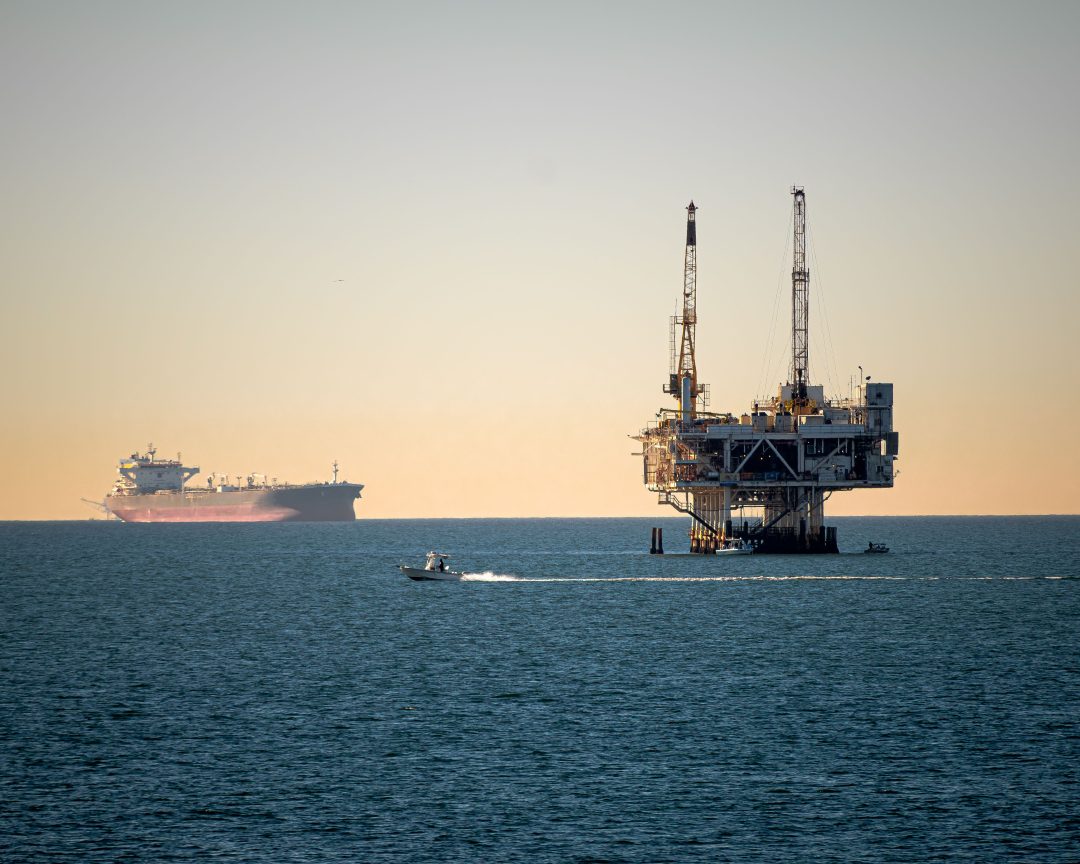
The renewed conflict has once again put the spotlight on the Strait of Hormuz, one of the world’s most critical energy shipping routes. The waterway normally handles about 20% of global oil supplies and a significant portion of liquefied natural gas (LNG) exports.
Since the wider conflict intensified earlier this year, shipping activity through the strait has been severely disrupted. Iran has restricted much of the maritime traffic passing through the route, while the United States has maintained a blockade on Iranian ports. As a result, global energy markets remain highly sensitive to any signs of military escalation.
Diplomacy Faces New Challenges
The latest exchange of attacks comes despite efforts by U.S. President Donald Trump to keep negotiations with Iran on track.
According to multiple international media reports, Trump had urged Israeli Prime Minister Benjamin Netanyahu not to retaliate against Iran’s latest missile launches and to allow more time for diplomacy.
Speaking to the Financial Times, Trump expressed confidence that a peace agreement remains achievable.
“I call the shots,” Trump said, adding that any agreement reached between Washington and Tehran would ultimately need to be accepted by Israel.
However, only hours after those comments, Israel announced strikes against Iranian military infrastructure, highlighting the growing challenges facing diplomatic efforts.
The latest confrontation is also closely linked to ongoing fighting in Lebanon. Iran has repeatedly stated that any broader peace agreement with the United States must include a sustainable ceasefire between Israel and Lebanon.
Although Israel and Lebanon announced a ceasefire agreement last week following negotiations in Washington, violence resumed over the weekend. Israel carried out air strikes in Beirut’s southern suburbs after Hezbollah launched attacks toward northern Israel. Iran subsequently fired missiles toward Israel, describing the action as a warning against further military operations in Lebanon.
Oil Market Reacts to Supply Risks
Energy analysts say the market’s main concern remains the possibility of prolonged disruptions to oil exports from the Persian Gulf.
According to Bloomberg, Andy Lipow, President of Lipow Oil Associates, said the ceasefire remains “extremely fragile,” adding that “every new round of hostilities increases the risk that the Strait of Hormuz could remain partially closed for a longer period than expected.”
Beyond Hormuz, investors are also watching the Red Sea shipping corridor, another crucial route for global energy trade. Any additional disruptions could further tighten supply and push prices higher.
Since the conflict escalated in March, oil prices have surged more than 50%, reflecting growing fears over the stability of Middle East energy exports.
Market participants had recently begun pricing in a potential breakthrough in U.S.-Iran negotiations, leading to a temporary pullback in crude prices. However, the latest military developments have forced traders to reassess those expectations.
“The market keeps moving between optimism and reality,” said Haris Khurshid, Chief Investment Officer at Chicago-based Karobaar Capital. “Whenever investors start believing a deal is imminent, fresh developments remind them that the underlying issues remain unresolved.”
OPEC+ Output Increase Offers Little Relief
Meanwhile, the Organization of the Petroleum Exporting Countries and its allies (OPEC+) agreed over the weekend to increase oil production quotas for July by 188,000 barrels per day.
The move marked the fourth consecutive monthly output increase by the producer group.
However, analysts believe the decision will have minimal impact on actual supply levels.
Many OPEC+ members continue to face operational challenges caused by the regional conflict. The disruption of export routes through the Strait of Hormuz has limited production and shipping capabilities for several Gulf producers, while Russia’s oil infrastructure has also been affected by ongoing attacks.
Jorge Leon, Head of Geopolitical Analysis at Rystad Energy, said the physical impact of the latest OPEC+ decision would likely be “close to zero” under current market conditions.
Even if a peace agreement is eventually reached, industry experts warn that restoring normal oil flows could take months. Mines and security threats in shipping lanes would need to be cleared, damaged infrastructure repaired, and shut-in oil fields gradually brought back online.
Markets Remain Focused on Next Steps
For now, investors are closely monitoring developments in both the military and diplomatic arenas.
While Washington and Tehran continue to signal that negotiations remain active, the latest round of missile attacks and retaliatory strikes has demonstrated how quickly the situation can deteriorate.
As long as uncertainty persists around the Strait of Hormuz and the broader Middle East conflict, analysts expect oil prices to remain highly volatile, with geopolitical developments continuing to drive market sentiment.
The coming days will be crucial in determining whether diplomacy can regain momentum or whether further escalation will push energy prices even higher.