



























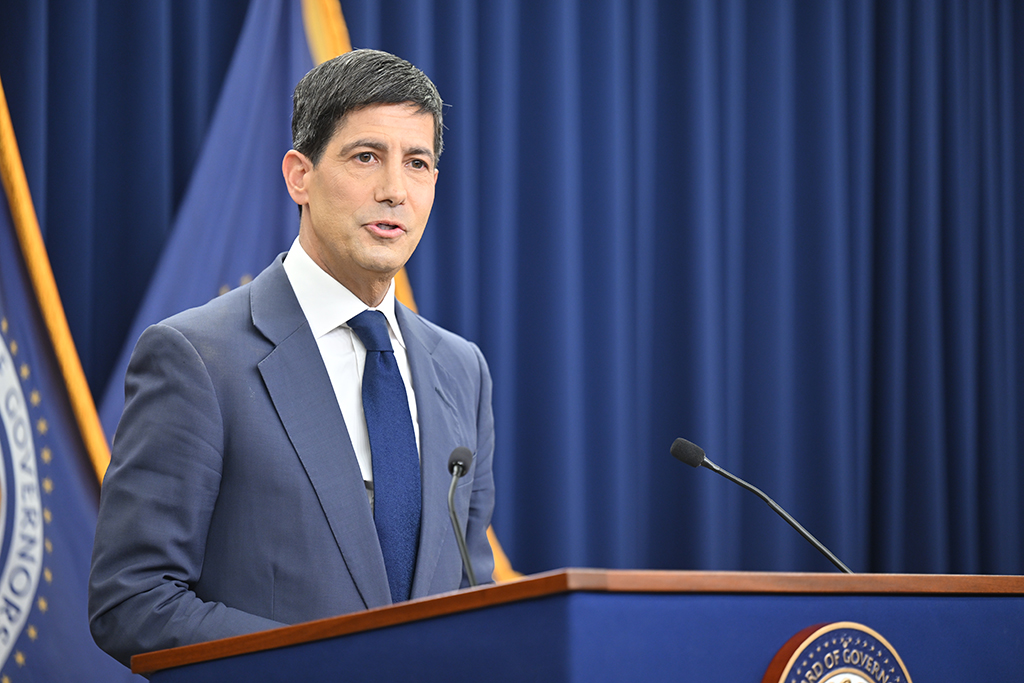
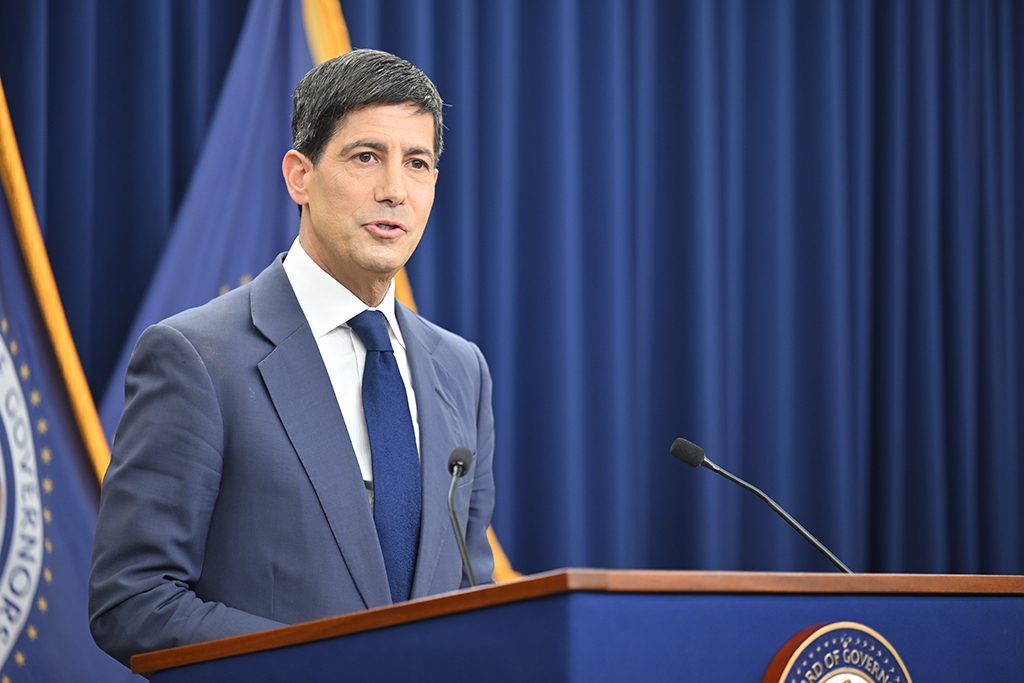
(Singapore, 18.06.2026)Federal Reserve Chairman Kevin Warsh has launched a new chapter for the U.S. central bank, keeping interest rates unchanged while introducing sweeping changes that could reshape how the Federal Reserve communicates and conducts monetary policy.
At his first policy meeting since taking over as Fed chief last month, Warsh led policymakers unanimously leaving the benchmark interest rate at 3.50% to 3.75%, where it has remained since December.
However, the decision was overshadowed by a broader shift in approach that many economists see as the beginning of a major overhaul of the institution.
According to Reuters, the Federal Open Market Committee (FOMC) issued a much shorter post-meeting statement that removed nearly all forward guidance about future policy moves. The change reflects Warsh’s long-standing criticism of the Fed’s practice of signaling its next steps to financial markets.
“I can’t give you any forward guidance about what we’re going to do next,” Warsh told reporters during his first press conference as chairman.
Instead, he stressed that policymakers would evaluate economic data meeting by meeting rather than commit to a specific path for interest rates.
The move marks a sharp departure from the communication style adopted after the 2008 global financial crisis and has drawn comparisons to the leaner approach used under former Fed Chairman Alan Greenspan.
Inflation Remains the Main Focus
Although the Fed left rates unchanged, officials signaled that inflation remains a significant concern.
New projections showed that nine of the Fed’s 19 policymakers now expect at least one rate increase before the end of this year, suggesting a growing willingness to tighten policy further if inflation remains stubborn.
According to Reuters, the Fed also raised its inflation forecast for the end of 2026 to 3.6%, up from 2.7% projected earlier. Inflation is then expected to ease toward the central bank’s 2% target in 2027.
Warsh made clear that restoring price stability remains the Fed’s top priority.
“We’ve missed for five years, and we’re going to fix that,” he said, referring to the central bank’s struggle to bring inflation back to its target following the pandemic-era surge in prices.
At the same time, Warsh pointed to strong productivity growth and business investment as reasons for optimism. The Fed’s statement highlighted productivity gains and capital spending as factors that could help reduce inflationary pressures over time.
Bloomberg reported that traders interpreted the updated projections as a sign that policymakers are becoming increasingly concerned about inflation, prompting Treasury yields to move higher after the announcement.
Sweeping Review Signals Bigger Changes Ahead
Beyond interest rates, Warsh used his first meeting to announce a broad review of how the Federal Reserve operates.
According to Reuters, Warsh announced a broad review of the Federal Reserve’s operations, including its communications strategy, economic data sources, productivity and employment analysis, balance sheet management and inflation framework. Bloomberg reported that the effort will be carried out through five task forces, which Warsh expects to deliver their findings by the end of the year.
The review reflects concerns Warsh has voiced since leaving the Fed more than a decade ago and signals his intention to reassess how the central bank gathers information, implements policy and communicates with markets.
Economists say the initiative could represent one of the most significant institutional reviews in recent Fed history.
Financial markets reacted cautiously to Warsh’s debut. Reuters reported that stock markets fell while short-term Treasury yields climbed after investors digested the prospect of fewer future rate cuts and a greater possibility of additional tightening.
The Fed’s latest projections showed economic growth slowing slightly this year, while unemployment is expected to end the year at around 4.3%.
The policy decision also drew a notably restrained response from President Donald Trump, who had frequently criticised former Fed Chair Jerome Powell for refusing to cut rates aggressively.
Asked about the decision to leave rates unchanged, Trump told reporters: “It’s all right. Whatever.”
While he said it was difficult to understand why rates might need to rise further, Trump expressed confidence in Warsh, saying, “We have a very good guy over there right now, so I’m guided by what he wants.”
With little guidance on the direction of interest rates, attention now turns to the broader review Warsh has launched across the central bank. The outcome could help define not only his leadership of the Fed, but also how the institution approaches policy and communication in the years ahead.