

























(Singapore, 19.06.2026)Efforts to secure a permanent peace agreement between the United States and Iran suffered a setback on Friday after planned negotiations in Switzerland were postponed amid escalating violence in southern Lebanon.
The talks, which were expected to begin discussions on a long-term peace framework and Iran’s nuclear programme, were delayed after clashes intensified between Israel and Hezbollah, the Iran-backed militant group operating in Lebanon.
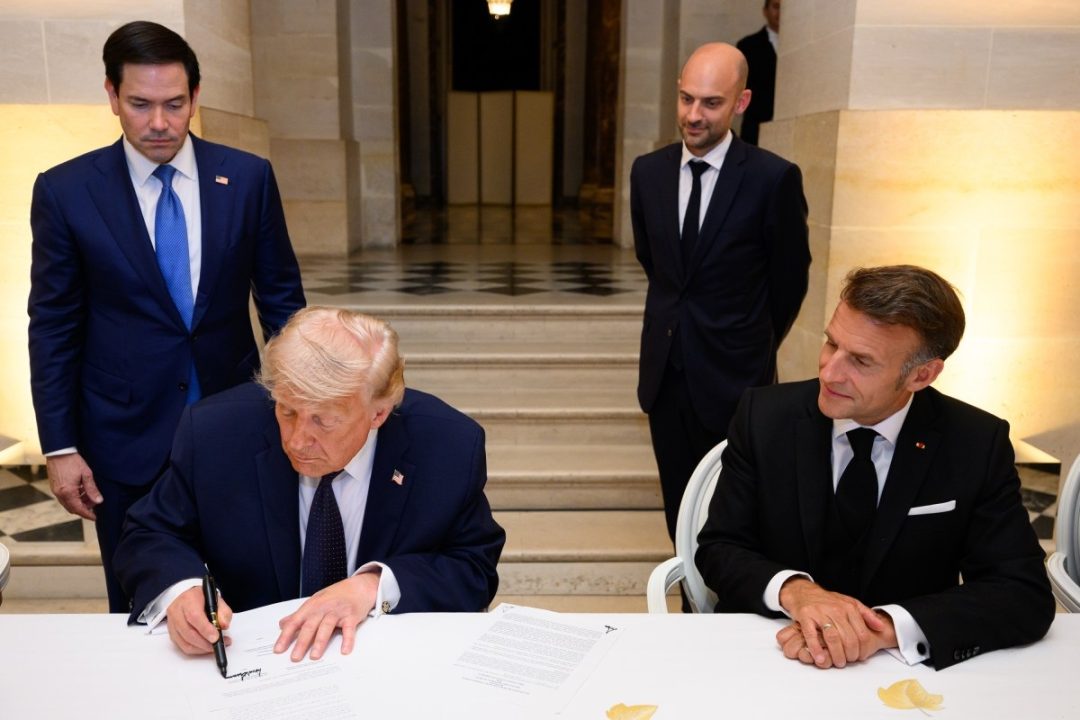
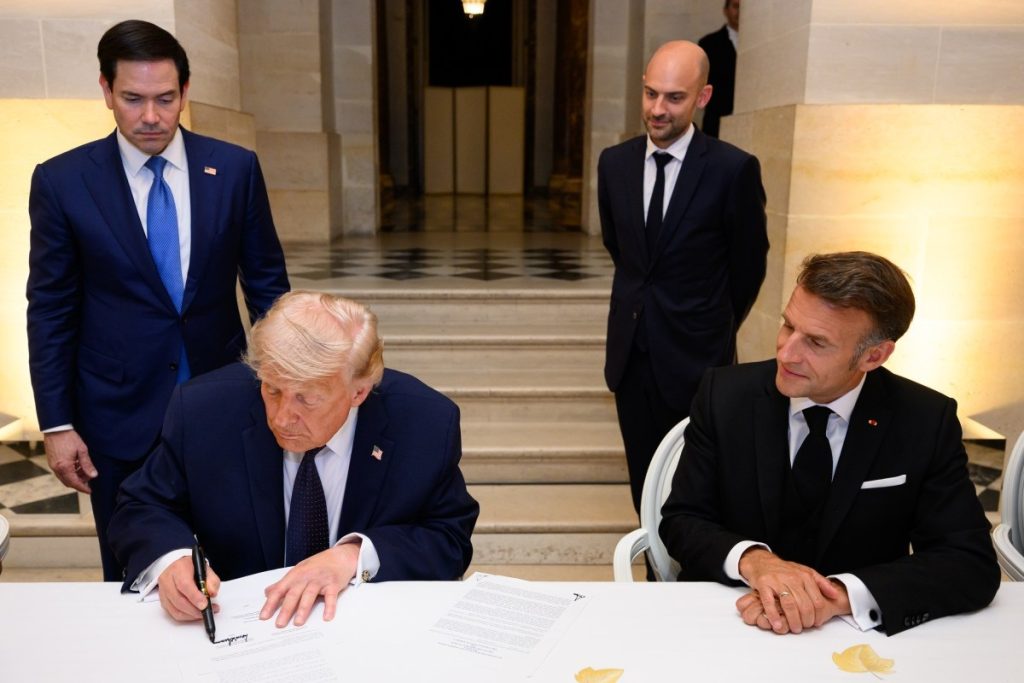
The postponement comes just days after Washington and Tehran signed a memorandum of understanding (MOU) aimed at ending months of conflict, reopening the Strait of Hormuz and paving the way for broader negotiations on sanctions relief, nuclear restrictions and economic cooperation.
While both sides have pledged to continue working toward a final agreement, the latest developments underscore the fragile nature of the peace process and the regional challenges that continue to threaten it.
Lebanon Conflict Casts Shadow Over Negotiations
The talks were originally scheduled to begin on June 19 at the Bürgenstock resort in Switzerland, where officials from both countries were expected to discuss the implementation of the recently signed MOU.
However, Iran reportedly declined to send a delegation following a sharp escalation in fighting between Israel and Hezbollah.
According to reports, Iran has insisted that a ceasefire in Lebanon is a key component of the broader agreement reached with Washington. Renewed hostilities have therefore complicated efforts to move forward with formal negotiations.
The latest violence was among the deadliest seen in recent weeks. Israel said four of its soldiers, including a battalion commander, were killed in southern Lebanon. Lebanese authorities reported that Israeli strikes killed at least 18 people and damaged several buildings.
The Israeli military said it had targeted dozens of Hezbollah positions.
The deterioration in security has raised concerns that tensions on Israel’s northern border could undermine the wider peace initiative involving Iran.
Switzerland’s Foreign Ministry confirmed that the negotiations had been postponed, although preparations at the venue would continue. US officials also said an American delegation remains ready to travel once a new schedule is agreed upon.
No new date has been announced.
Growing Tensions Between Washington and Israel
The delay has also exposed increasing differences between the United States and Israel over the terms of the agreement with Iran.
The memorandum signed earlier this week has faced criticism from some Israeli politicians who argue that it offers Tehran too many economic concessions while failing to adequately address concerns over Iran’s ballistic missile programme and regional influence.
The agreement includes commitments to reopen the Strait of Hormuz, negotiate restrictions on Iran’s nuclear activities and eventually discuss sanctions relief. It also calls for an end to hostilities across all fronts, including Lebanon.
That provision has become particularly controversial within Israel.
Several members of Prime Minister Benjamin Netanyahu’s government have publicly criticised the deal, prompting a rare response from US Vice President JD Vance, one of the architects of the agreement.
Vance warned Israeli officials against attacking the deal, saying some members of Netanyahu’s cabinet had unfairly criticised US President Donald Trump and the peace initiative.
The comments highlighted growing strains between Washington and its closest Middle East ally.
Trump has also reportedly expressed frustration over Israeli military actions in Lebanon, believing they risk undermining efforts to secure a broader settlement with Iran.
However, Israeli leaders maintain that military operations will continue until Hezbollah no longer poses a threat to communities near Israel’s northern border.
The dispute underscores a broader challenge facing the peace process. Although Washington and Tehran appear committed to pursuing a diplomatic solution, wider regional conflicts continue to threaten progress toward a lasting settlement.
High Stakes for Energy Markets and Nuclear Talks
The delayed negotiations were expected to tackle Iran’s nuclear programme, a highly sensitive issue that remains central to efforts to reach a lasting agreement.
Under the framework reached this week, both sides are expected to negotiate a final agreement within 60 days. Discussions are likely to centre on limiting Iran’s uranium enrichment activities, addressing its stockpile of highly enriched uranium and establishing a long-term monitoring framework.
Analysts note that reaching a comprehensive nuclear agreement is rarely a quick process. The 2015 accord between Iran and world powers, for example, took nearly two years to negotiate and finalize.
Beyond security concerns, the outcome of the talks carries significant economic implications.
The memorandum has already led to the lifting of a US naval blockade of Iranian ports, while Iran has pledged to restore shipping through the Strait of Hormuz, one of the world’s most important energy corridors.
The waterway handles a significant portion of global oil and liquefied natural gas exports, making its reopening critical for international energy markets.
Oil prices have fallen sharply this week as traders anticipated a return of supplies flowing through the strait. Brent crude has dropped around 9% over the past several days, although prices remain substantially higher than at the start of the year due to the prolonged conflict.
Trump has repeatedly defended the agreement, arguing that reopening the Strait of Hormuz is essential to preventing a broader economic crisis.
The deal is also expected to unlock discussions on sanctions relief, frozen Iranian assets and a proposed US$300 billion investment and development programme aimed at supporting Iran’s economic recovery.
For now, however, progress toward those goals remains tied to a peace process that is proving far more complex than negotiators had hoped.
While both Washington and Tehran remain committed to talks, the renewed violence in Lebanon serves as a reminder that ending one conflict in the Middle East often requires addressing several others at the same time.