

























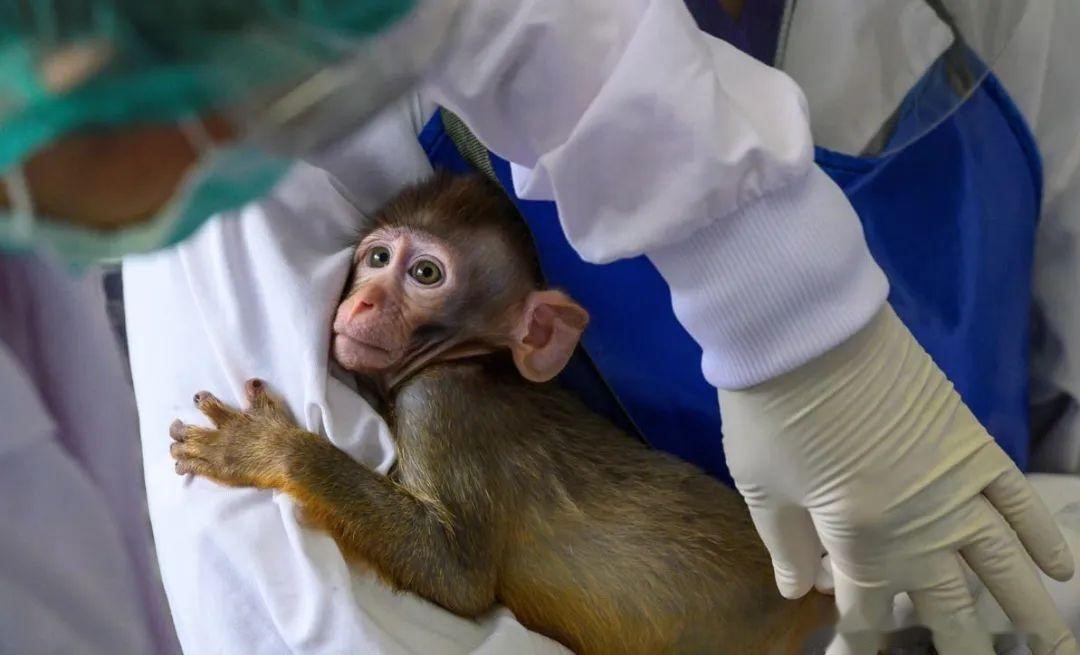
(SINGAPORE 2026.7.21) As China’s innovative drug industry regains momentum after a post-pandemic lull, soaring prices for laboratory monkeys are exposing a critical bottleneck in biomedical research. Cynomolgus monkeys (食蟹猴), indispensable for testing the safety of new medicines before human trials, have become a strategic resource as supplies in China and Southeast Asia tighten and race for the monkeys intensifies between China, the United States, Japan, and South Korea.
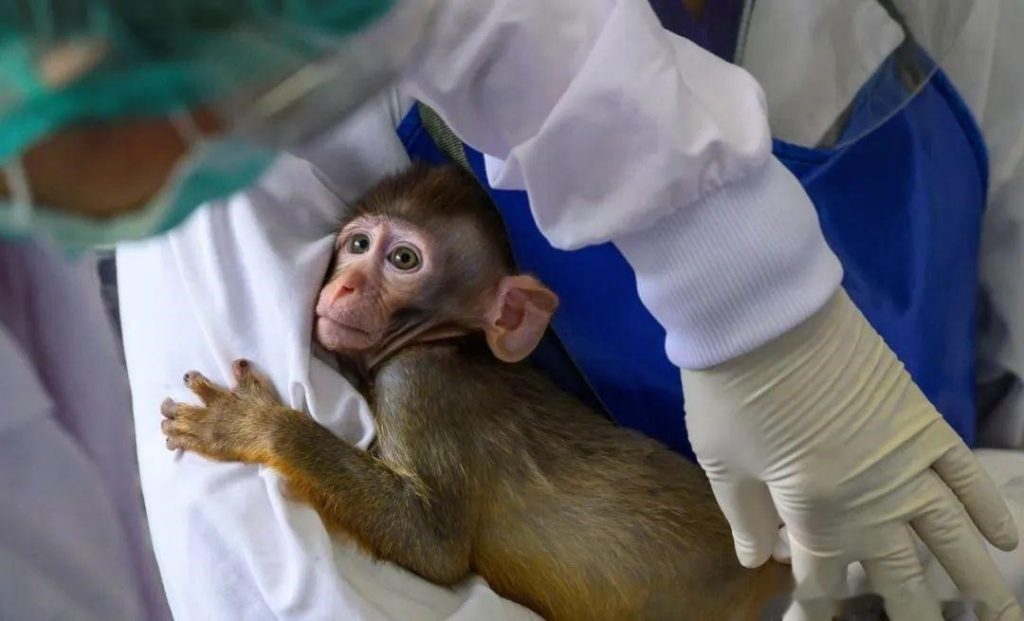
This month, breeding facilities in China’s Guangxi, Guangdong and Sichuan provinces all reported the same development: this year’s supply of cynomolgus monkeys has essentially been sold out.
Prices have climbed accordingly. In June, China’s National Institutes for Food and Drug Control purchased 40 cynomolgus monkeys at 178,000 yuan (S$33,900) each. For its next procurement, the agency has budgeted 190,000 yuan per monkey. On the open market, an adult monkey can fetch more than 200,000 yuan — nearly the price of a BYD Han electric car.
Laboratory monkeys have long been essential to drug development, but they entered the public spotlight only during the Covid-19 pandemic. Before that, prices had risen steadily from about 6,500 yuan in 2014 to 14,000 yuan in 2018.
When the pandemic erupted in 2020, governments and pharmaceutical companies across the world poured money into vaccines and antiviral drugs, sending demand for laboratory monkeys soaring. Prices surged to as high as 230,000 yuan per monkey while buyers scrambled to secure supplies. In the US, cynomolgus monkeys reportedly sold for as much as US$60,000 (S$78,300) each.
The frenzy eased after the pandemic as global vaccine and Covid-related drug development slowed. But the respite proved temporary.
China’s innovative pharmaceutical industry has rebounded strongly over the past two years. According to Chinese media outlet Zhengjie Club (正解局), all major contract research organisations in China are once again facing severe shortages of cynomolgus monkeys. Drug developers now typically wait five to six months to obtain the animal for preclinical studies, while prices, which began climbing again in late 2025, are approaching pandemic-era highs.
The renewed demand reflects the rapid expansion of China’s drug industry. In 2025, the country recorded more than 5,000 registered clinical trials for the first time, including nearly 3,000 involving new drugs, an 18 per cent increase from the previous year. During the first half of this year alone, Chinese pharmaceutical companies signed outbound licensing deals worth almost US$100 billion.
Every new medicine must undergo years of laboratory and animal testing before human trials can begin. A typical preclinical programme requires about 60 monkeys, making the rapid expansion of drug development directly linked to a reliable supply of laboratory primates.
Yet supply cannot increase quickly because of biological constraints. Female cynomolgus monkeys produce only one infant per pregnancy, and the offspring require at least three years before they are suitable for laboratory research. Expanding breeding capacity therefore takes years, even under ideal conditions.
Fearing future shortages, many Chinese pharmaceutical companies began stockpiling the animal. Smaller firms purchased more monkeys than immediately needed, while larger companies acquired entire breeding facilities to guarantee their own future supplies.
That further tightened the market. Breeding laboratory monkeys in China requires government licences, and fewer than 60 facilities nationwide are authorised to do so. As more breeding farms reserved production for their owners instead of selling to the wider market, independent drug developers found it increasingly difficult to obtain monkeys.
China also cannot simply solve the problem by producing more cynomolgus monkeys.
Although it is the world’s largest breeder and exporter of laboratory monkeys, China’s breeding industry depends heavily on Southeast Asia for new stock needed to expand, replenish, and maintain healthy breeding colonies over the long term.
Many laboratory monkeys exported from China originate from breeding stock imported from countries such as Cambodia, Vietnam, Thailand and Laos, where cynomolgus monkeys are native. But now that supply chain has become increasingly fragile.
In March this year, the International Union for Conservation of Nature (IUCN) upgraded the cynomolgus monkey’s conservation status to endangered.
While the IUCN itself does not regulate trade, the listing increases scrutiny of international commerce. Under the Convention on International Trade in Endangered Species of Wild Fauna and Flora (CITES), international trade now requires permits, adding another layer of restrictions to an already tight market.
At the same time, several Southeast Asian countries have tightened export controls on monkeys over the past two years, reducing China’s access to breeding stock.
Domestic production is also struggling to keep pace. According to the China Experimental Primate Breeding and Development Association, Chinese breeding facilities housed more than 240,000 cynomolgus and rhesus macaques in 2021, yet annual production was only about 30,000, well below estimated domestic demand of around 40,000. The gap is expected to widen as many female monkeys age, reducing fertility and limiting future output.
China’s challenge is further complicated by growing international competition.
The US, Europe, Japan and South Korea all rely heavily on imported laboratory monkeys because they have little domestic breeding capacity. Before the pandemic, more than half of all laboratory monkeys imported by the US came from China. That changed after Beijing suspended exports during the pandemic, forcing overseas buyers to source more animals directly from Southeast Asia.
As supplies tighten, countries are increasingly competing for the same limited breeding stock. The US designated laboratory monkeys a strategic national resource as early as 2002. Japan and South Korea have also stepped up efforts to secure long-term access to monkeys from Southeast Asia.
Meanwhile, China itself has become the world’s second-largest consumer of laboratory monkeys, and demand is expected to continue to rise as its pharmaceutical industry advances from producing generic medicines to developing innovative drugs.
To Zhengjie Club, the lesson is clear. Laboratory monkeys have evolved from a little-noticed research tool into a strategic resource with implications for both industrial competitiveness and national security. Unless China strengthens its long-term breeding capacity and secures more stable sources of breeding stock, future shortages are likely to become even more severe as global competition for laboratory monkeys intensifies.