




















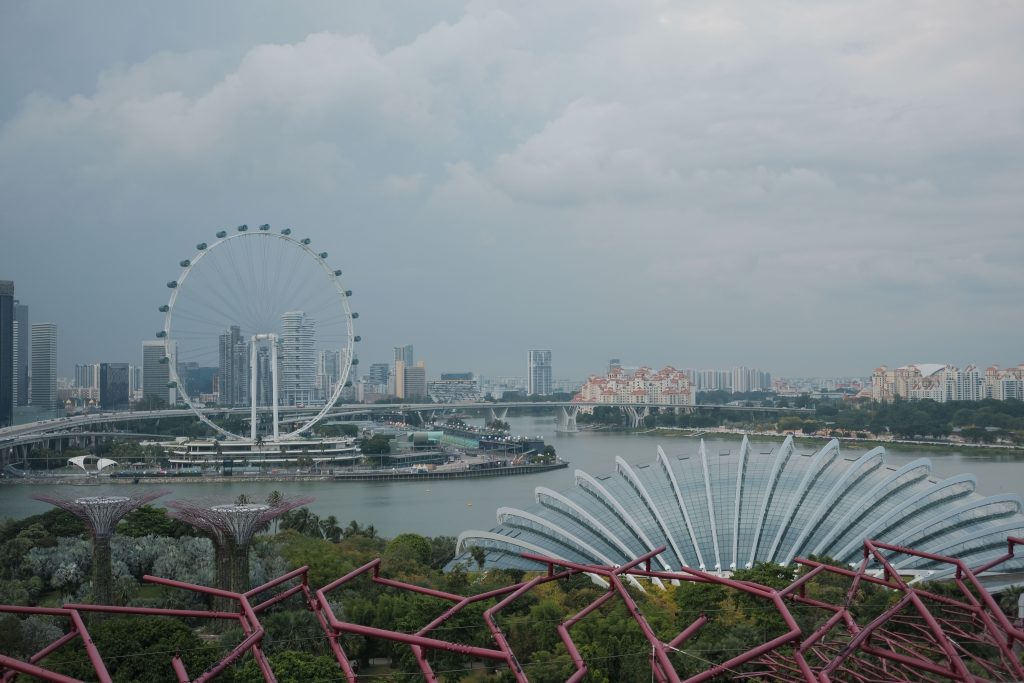
(Singapore, 08.10.2026)Singapore’s Formula One Grand Prix could face restrictions on outdoor entertainment this weekend as worsening haze from Indonesian wildfires pushes air pollution to unhealthy levels, raising concerns over public health, tourism and regional economic activity during one of the city-state’s biggest international events.
The International Automobile Federation (FIA), motorsport’s governing body, said on Thursday that the poor air quality was not expected to affect racing activities or the staging of the Singapore Grand Prix, although some outdoor events could be restricted if conditions deteriorate further.
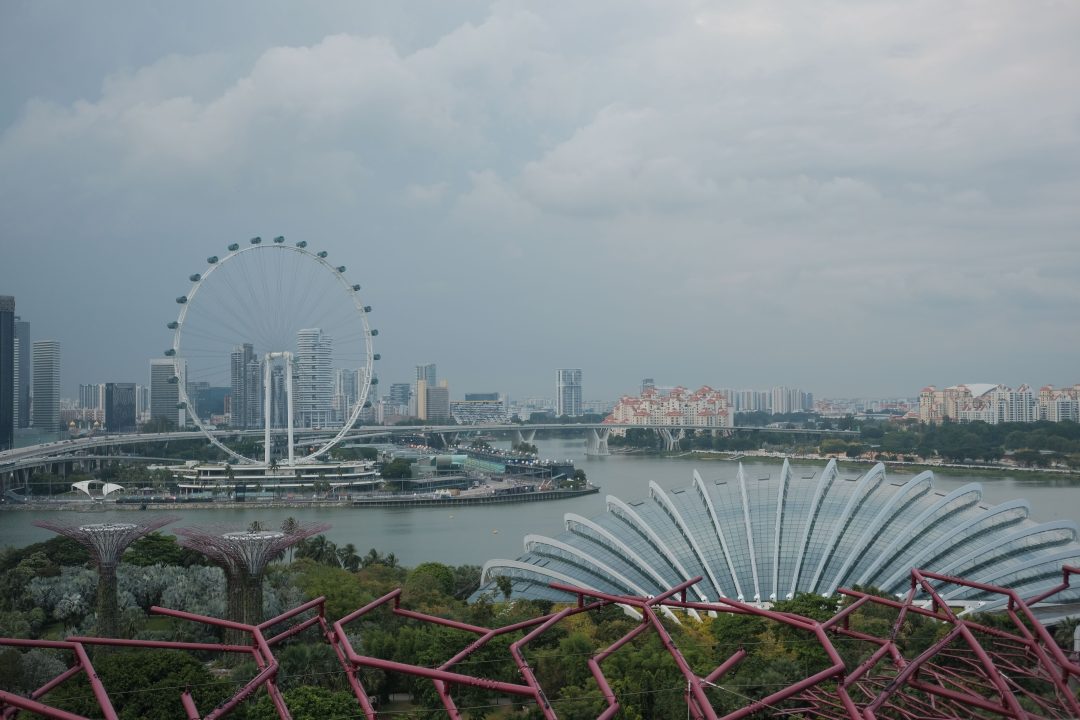
Singapore has been blanketed by smoke for weeks as Indonesia battles one of its most severe wildfire seasons in more than a decade. The pollution comes at a particularly busy time for the city-state, which is hosting international business, cryptocurrency and sports conferences alongside the Formula One weekend.
“Air quality levels are being monitored by the relevant local authorities, and appropriate contingency measures are in place,” an FIA spokesperson said.
The governing body said it was working closely with local authorities to protect Formula One teams but did not specify what pollution levels would trigger restrictions on entertainment and other outdoor activities.
Singapore F1 Under Haze Watch
Air pollution in Singapore reached the “very unhealthy” range on Wednesday afternoon, according to air-quality monitoring company IQAir, briefly making the city-state the world’s most polluted major city. Nearby Kuala Lumpur ranked second at the time.
Singapore’s National Environment Agency (NEA) reported unhealthy air quality across all five regions and warned that dry weather over southern Southeast Asia could allow fires and transboundary haze to persist.
Southeasterly and southerly winds could continue carrying smoke from Indonesian fire zones towards Singapore, the agency said.
Singapore GP, the race organiser, previously said it would coordinate with government agencies before making decisions if haze created problems involving visibility, public health or event operations.
The Singapore Grand Prix is an important event for the city-state’s tourism and hospitality industries, attracting international visitors and business travellers. Restrictions on outdoor entertainment could affect some activities surrounding the race even if the main competition proceeds as scheduled.
The city faced similar conditions during the 2019 Singapore Grand Prix, when organisers arranged standby first-aid assistance and made N95 masks available to people who needed them.
Malaysia Shuts Schools as Pollution Spreads
The worsening haze has also disrupted daily life and transport in neighbouring Malaysia, prompting Prime Minister Anwar Ibrahim to contact Indonesian President Prabowo Subianto over efforts to control the fires.
Kuala Lumpur ranked as the world’s most polluted major city on Thursday afternoon, with air quality in the “very unhealthy” category. Thick smoke obscured landmarks including the Petronas Twin Towers and Menara Merdeka Maybank.
In Johor, authorities ordered schools to close through the end of the week, affecting approximately 617,000 students.
At least five flights were disrupted at Senai International Airport early Thursday after haze reduced visibility below aviation safety requirements. Some aircraft were diverted to Kuala Lumpur and Singapore, while other departures were delayed.
Anwar described the situation as worrying and said Prabowo had agreed to take necessary action, although details were not immediately provided.
Malaysia is seeking faster discussions with Indonesia about sending assistance to fight the fires. Anwar also wants regional environment ministers to meet, while Johor Chief Minister Onn Hafiz Ghazi has called for an emergency ASEAN meeting.
The haze has also disrupted sporting events, with organisers of the Kuala Lumpur Standard Chartered Marathon cancelling a children’s race last week over health concerns, although the full and half marathons went ahead as scheduled.
Wildfire Raise Economic and Environmental Costs
The regional haze crisis has been driven by widespread fires in Indonesia, where agricultural land clearing and an exceptionally strong El Niño weather pattern has created dangerous burning conditions.
Indonesia recorded its highest number of September fire hotspots since 2015, when severe haze disrupted schools, transport and outdoor activities across Southeast Asia.
More than 895,000 hectares of land had burned by August this year, according to Nusantara Atlas, marking the largest affected area for that period since the organisation began monitoring forests in 2019.
The economic damage may have reached 123 trillion rupiah, or roughly S$8.79 billion, during the first eight months of the year when health-related impacts are included, according to Jakarta-based research organisation Center of Economic and Law Studies.
Indonesia’s firefighting response has also come under scrutiny after the budget for its National Disaster Mitigation Agency was reduced to 491 billion rupiah, about one-tenth of its 2024 allocation.
The Indonesian government said the reductions concerned routine administrative expenses rather than emergency firefighting operations.
Environmental groups have raised concerns about the role of agricultural expansion and land-clearing practices, particularly in the palm oil industry. Burning remains a relatively inexpensive method of clearing land, costing about half as much as alternative approaches.
Greenpeace has identified more than 20 palm oil, pulp and sugar companies whose land concessions contained sources of smoke from the fires, including businesses with links to Malaysia and Singapore.
The fires have also renewed calls for stronger cross-border environmental enforcement. Greenpeace Malaysia and other civil-society organisations have urged the government to introduce legislation allowing authorities to investigate and take action against companies linked to pollution originating overseas.
Singapore already has a Transboundary Haze Pollution Act that allows fines of up to S$100,000 per day against companies responsible for or condoning fires that cause pollution in the city-state. However, investigations into four companies linked to the 2015 haze crisis remain ongoing.
With rainfall since early June running nearly 80% below normal in parts of Indonesia, according to Atmospheric G2 data, experts warn that significant improvement may depend on the arrival of the wet season.
For Singapore, the immediate concern is whether air quality will worsen during the Formula One weekend, while Malaysia and Indonesia continue discussions on firefighting assistance and a coordinated regional response to the prolonged haze crisis.