


























(Singapore, 24.07.2026)Rooftop solar is no longer viewed solely as an environmental initiative. As electricity prices remain volatile, an increasing number of Singapore homeowners are beginning to see solar as a practical financial strategy for managing long term household energy costs.
Kerr Sun, Managing Director of 9 Solar FinTech Pte Ltd, believes changing global energy dynamics are fundamentally reshaping how homeowners evaluate the value of their rooftops.
“In the past, Singapore homeowners primarily asked how solar could benefit the environment.”
“Today, they are equally interested in how much they can save, how quickly those savings can begin, and whether rooftop solar can help shield their families from future electricity price increases.”
His observations come at a time when Singapore’s electricity market continues to be influenced by international energy developments. Approximately 95 percent of the country’s electricity is generated from imported natural gas, making domestic electricity prices vulnerable to fluctuations in global fuel markets, geopolitical developments, supply disruptions and foreign exchange movements.
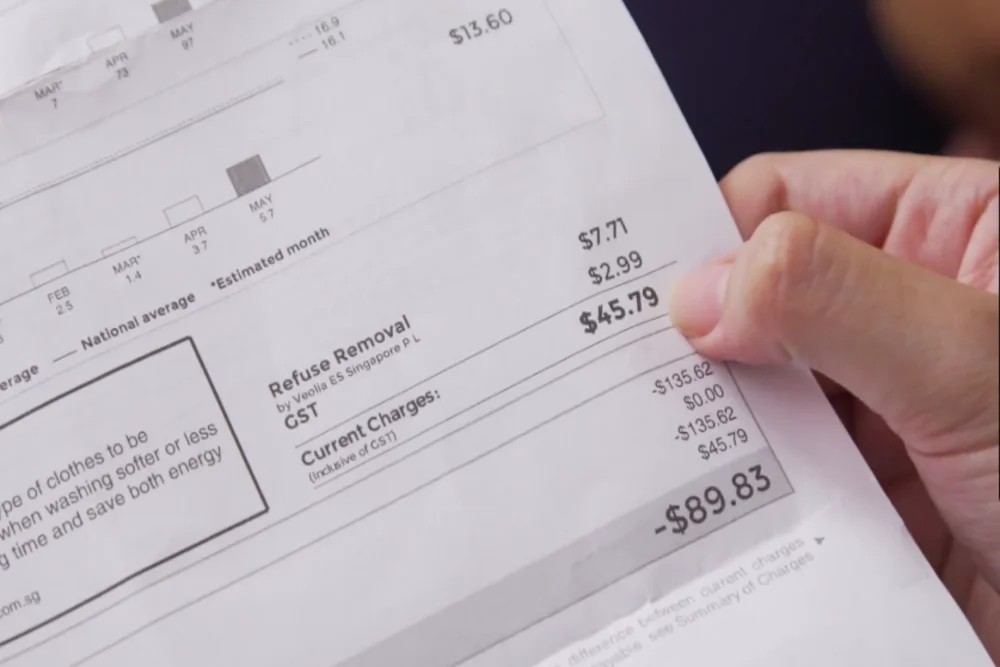
For the July to September 2026 quarter, Singapore’s regulated household electricity tariff increased to 31.91 Singapore cents per kilowatt-hour before GST, or 34.78 cents after GST, highlighting the continued impact of global energy costs on local consumers.
“The average homeowner cannot control international gas prices or geopolitical events,” Sun said. “However, homeowners with suitable rooftops can reduce part of their dependence on grid electricity.”
Producing electricity where it is consumed
Unlike conventional electricity purchased from the national grid, rooftop solar generates electricity directly at the point of consumption.
Electricity produced during daylight hours can immediately power air conditioning systems, refrigerators, water pumps, household appliances, home office equipment and electric vehicle chargers, reducing the amount of electricity purchased from the grid.
Sun cautioned that rooftop solar should not be marketed as a solution that completely eliminates electricity bills.
“Solar generation varies according to weather conditions, roof size and household consumption,” he explained. “Most homes will still rely on grid electricity during the evening or whenever electricity demand exceeds solar production.”
Nevertheless, producing part of a home’s electricity on-site can significantly reduce long term exposure to rising electricity tariffs.
“The true value of rooftop solar is not that electricity bills disappear,” Sun said. “Its value lies in allowing homeowners to generate part of the electricity they would otherwise have to buy.”
From sustainability to financial planning
According to Sun, rooftop solar is increasingly being evaluated alongside other long term property investments such as energy-efficient air conditioning systems, insulation upgrades, security systems and premium home appliances.
Families intending to remain in the same property for many years should consider not only next month’s electricity bill but also their cumulative electricity expenditure over the next decade or two, he said.
“A professionally installed solar system can continue producing electricity for more than twenty years,” Sun noted. “Its financial value should therefore be measured over its entire operating life rather than against the electricity tariff on the day it is installed.”
As electricity prices continue to rise globally, every kilowatt hour generated and consumed directly by the household becomes increasingly valuable.
A changing consumer mindset
Sun believes Singapore is following a trend already evident in mature solar markets such as Australia, Europe and the United States, where rooftop solar is increasingly viewed as both an environmental solution and a financial asset.
“Singapore consumers are practical and financially disciplined,” he said. “They support sustainability, but they also want measurable economic value.”
He believes environmental responsibility and financial returns should complement rather than compete with each other.
“When clean energy helps families manage their household expenses, the motivation to adopt solar becomes significantly stronger.”
For many homeowners today, rooftop solar is no longer simply about reducing carbon emissions. It is increasingly becoming part of a broader financial strategy to manage long term energy costs while improving household resilience against future electricity price uncertainty.