


























(Singapore, 02.09.2026)The six-month conflict involving the US, Israel and Iran has forced a major reshuffling of the global liquefied petroleum gas trade, with India increasingly turning to suppliers as far away as the US after disruptions in the Strait of Hormuz sharply reduced shipments from its traditional Persian Gulf suppliers.
India, the world’s second-largest LPG buyer after China, was among the first economies to feel the impact after US and Israeli strikes on Iran began at the end of February and Tehran tightened its grip on Hormuz. LPG flows through the strategic waterway subsequently fell by nearly 80%, disrupting a fuel supply chain that serves hundreds of millions of Indian households as well as factories, restaurants and small businesses.
The pressure was particularly severe because India consumed more than 33 million tonnes of LPG in the year through March while producing only 13.1 million tonnes domestically, leaving the country dependent on imports from the United Arab Emirates, Qatar and Saudi Arabia to fill the gap. Between March and July, when disruption to Persian Gulf shipments was at its worst, India managed to secure only about 60% of the LPG volumes it imported during the same period a year earlier.
With storage capacity limited and shortages quickly appearing, New Delhi moved to protect household supplies by increasing subsidies, prioritising residential users and searching for cargoes outside the Middle East, while officials also used India’s relationship with Iran to secure safe passage for some tankers through Hormuz.
Six months into the conflict, those measures have helped ease the worst shortages, although they have also transformed India’s LPG supply network by pushing buyers towards longer and more expensive routes from the US, Norway and Algeria while refiners sharply increase domestic production.
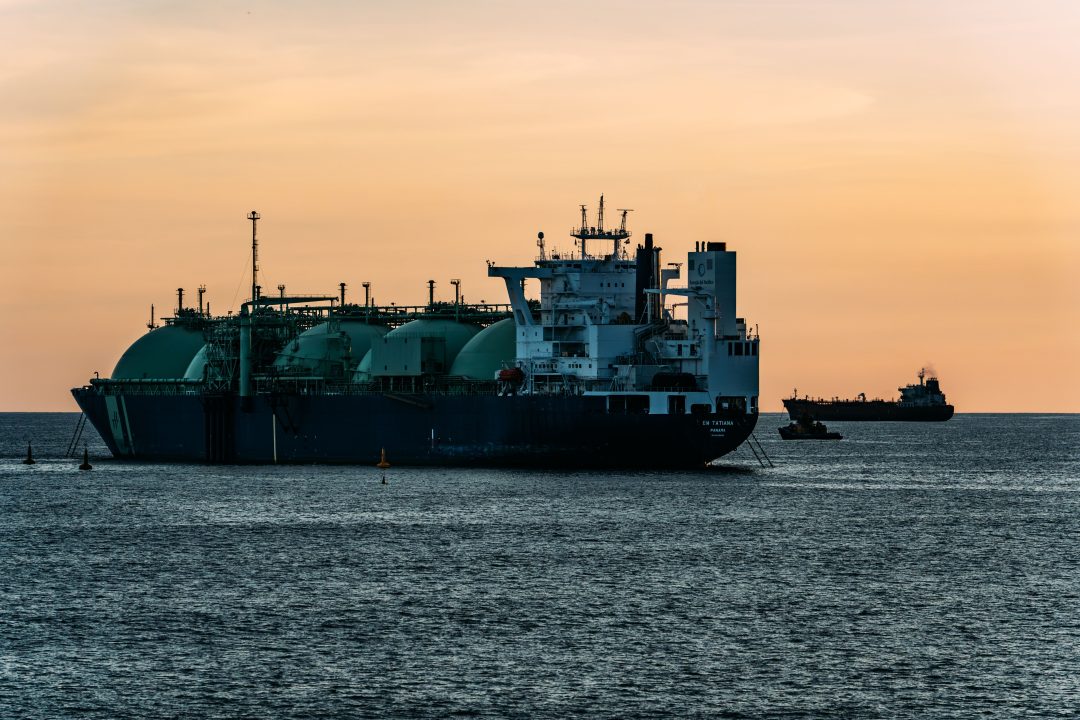
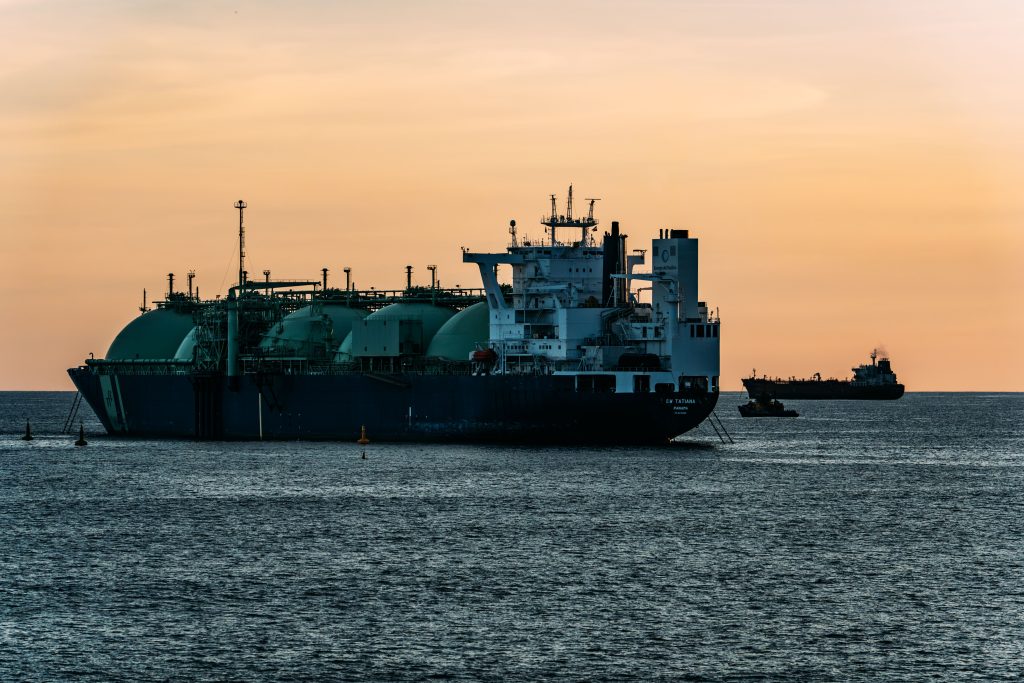
The scale of that shift was illustrated by the Clipper Vanguard, which arrived at Haldia Port in eastern India in June after a 48-day journey from the US, roughly seven times longer than the typical route from the Persian Gulf and potentially 30% more expensive in freight costs alone. Before the war, LPG carriers arriving at Haldia generally completed their journey from Gulf suppliers in about two weeks.
Traffic at the port has consequently fallen, with data intelligence firm Kpler showing that 22 LPG vessels unloaded at Haldia in July 2025 compared with only about half that number a year later. Some of the vessels that did arrive during the disruption were also carrying considerably smaller cargoes than usual.
More than half of the large LPG carriers serving India’s state-backed buyers have since travelled to the US, extending a diversification strategy that began before the war when New Delhi planned to source about 10% of its LPG from America. Refinery executives are now discussing additional US supplies, potentially raising the share to as much as 15% for India’s three major state-owned processors in 2027, with some volumes already secured under longer-term agreements.
Greater reliance on the US has nevertheless created another set of costs because longer voyages require more ships and expose Asian buyers to additional transport bottlenecks. Increased LPG traffic from the US Gulf towards Asia has contributed to congestion around export terminals and the Panama Canal, where low water levels have already restricted shipping, with one shipper paying a record US$5.3 million (S$6.75 million) in late August to move a tanker ahead of the queue.
India has simultaneously pushed its refineries to produce more LPG at home, raising daily output from around 34,000 tonnes before the crisis to about 55,000 tonnes, according to Oil Minister Hardeep Singh Puri. Refiners and crude producers were instructed in August to implement all technically and economically feasible measures to lift production towards 63,800 tonnes a day, almost double pre-war levels, while additional storage capacity is also planned.
The intervention has helped keep household supplies flowing but placed greater financial pressure on India’s state-owned refiners, particularly as the government sought to shield consumers from higher international prices. Indian Oil, Bharat Petroleum and Hindustan Petroleum recorded combined losses of 181.5 billion rupees (S$2.43 billion) in the April-to-June quarter, largely because fuels were sold below market prices, while the Saudi contract price for LPG jumped 46% between February and June and remains above last year’s average.
Increasing LPG production has also required refiners to sacrifice output elsewhere, with Reliance Industries raising LPG production in March at the expense of petrochemicals and high-grade gasoline components normally exported to the US. Lower Indian exports of alkylate, a gasoline blending component, subsequently contributed to tighter supplies and higher gasoline prices in California.
Industrial users in India have absorbed another part of the shock because they do not receive the same protection as households, prompting some manufacturers to switch fuels, reduce production or temporarily close operations. Overall LPG demand has fallen by roughly 10% to around 80,000 tonnes a day, with industrial consumption accounting for much of the decline even after restrictions on industrial sales were lifted at the end of June.
Similar adjustments are taking place elsewhere in Asia as China, the world’s largest LPG consumer, has seen petrochemical companies reduce operating rates to curb consumption, while heavily import-dependent Indonesia has sought additional sources of energy. President Prabowo Subianto travelled to Russia in April partly to discuss energy supplies, even as Indonesia already had an agreement to purchase US$3.5 billion of American LPG in exchange for lower US tariffs.\
The pressure on LPG supply routes is again attracting attention after fighting around Hormuz intensified this week, ending several weeks of relative calm. US forces carried out a fresh round of strikes against Iranian radar systems, maritime assets and mine-laying capabilities, while Tehran responded with missile and drone attacks against US facilities across the Middle East.
The renewed fighting pushed Brent crude above US$97 a barrel in early trading on Wednesday before prices pared some gains, as investors assessed the risk of prolonged disruption to oil and gas shipments through Hormuz. Shipping through the strait remains well below pre-war levels, while Washington and Tehran have shown little sign of reaching a diplomatic settlement after more than six months of conflict.