






















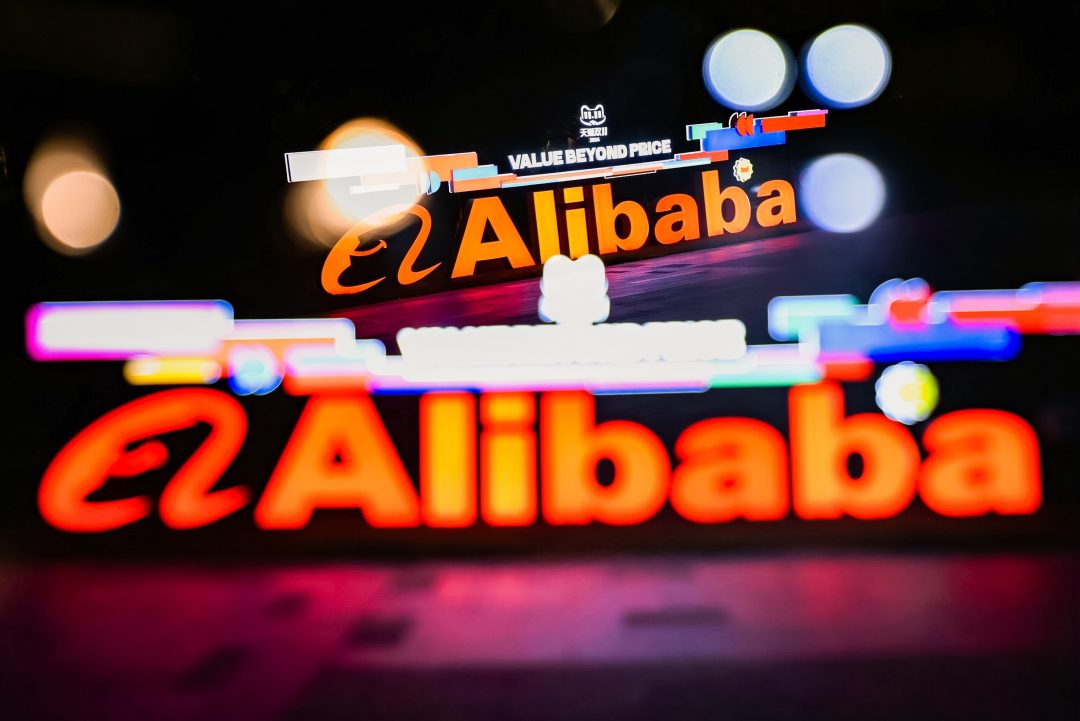
(Singapore, 12.06.2026)Alibaba Group Holding is reportedly making a bold move to strengthen its position in China’s fast-growing local commerce sector, offering US$1.5 billion (S$1.92 billion) to acquire grocery delivery platform Pupu as competition among the country’s biggest internet companies intensifies.
According to reports, Alibaba’s offer is more than double an earlier bid made by Sun Art Retail, which had proposed a takeover worth around US$600 million (S$771 million). If successful, the deal would mark one of the largest acquisitions in China’s online grocery industry in recent years and further deepen the rivalry between Alibaba, Meituan and JD.com.
The proposed acquisition comes just months after Meituan announced plans to acquire Dingdong Fresh Holding for US$717 million (S$921 million), highlighting the growing race among major technology firms to dominate China’s local retail and grocery delivery market.
Race for China’s Last Major Independent Grocery Platform
Founded in Fujian province, Pupu has become one of China’s leading instant grocery delivery platforms. The company reportedly generates annual revenue exceeding RMB30 billion (S$5.69 billion) and operates a rapid 30-minute delivery network across key cities in Fujian, Guangdong, Sichuan and Hubei provinces.
Industry observers view Pupu as one of the last major independent grocery delivery platforms remaining in China. As competition intensifies, large technology firms are increasingly seeking acquisitions rather than building new operations from scratch.
China’s online grocery sector has been shaped by years of aggressive price competition, with companies spending heavily on discounts and subsidies to attract customers. While this strategy helped expand the market, it also squeezed profit margins and forced many smaller competitors to exit.
The latest wave of acquisitions signals a shift toward consolidation. Larger platforms are now looking to strengthen their market positions through mergers and acquisitions instead of relying solely on costly subsidy campaigns.
However, such consolidation could also attract regulatory scrutiny. Chinese authorities have repeatedly expressed concerns about excessive market concentration and have been pushing companies to reduce what policymakers describe as unhealthy competition.
Meituan’s proposed acquisition of Dingdong Fresh is still awaiting antitrust approval, and any potential acquisition of Pupu by Alibaba could face similar regulatory review.
Regulatory Pressure Adds to Industry Challenges
The reported bid for Pupu comes at a time when Chinese regulators are paying closer attention to competition practices within the country’s e-commerce sector.
This week, the Beijing branch of China’s State Administration for Market Regulation summoned several major internet platforms, including Alibaba, JD.com, PDD Holdings, ByteDance and Xiaohongshu, over what authorities described as misleading promotional practices during the annual “618” online shopping festival.
State media reported that some companies had promoted large subsidy campaigns without clearly disclosing the actual amount of discounts provided. Regulators criticized certain platforms for making marketing claims that could potentially mislead consumers.
The warning triggered a sharp selloff in Hong Kong-listed technology stocks. Alibaba shares fell as much as 6.5%, while JD.com dropped nearly 6% during trading.
Although analysts do not expect major new restrictions, the incident highlights Beijing’s continuing efforts to curb destructive price wars and maintain order in the digital economy.
Market observers note that regulators are increasingly willing to publicly disclose enforcement actions, making compliance issues more visible to investors and consumers alike.
Leadership Shake-Up Highlights Alibaba’s AI Ambitions
Alibaba is also dealing with internal challenges as it pushes forward with its artificial intelligence strategy.
The company recently announced a leadership change at Dingtalk, its enterprise collaboration and workplace productivity platform. Dingtalk Chief Executive Officer Chen Hang, one of the platform’s original creators, has stepped down and will be replaced by technology executive Chen Yusen.
The leadership change reportedly follows internal discussions about Dingtalk’s role in Alibaba’s broader AI transformation.
Dingtalk has become an important part of Alibaba’s effort to expand its AI capabilities following the global surge in interest in generative AI technologies. Under Chen’s leadership, the platform introduced numerous AI-powered features aimed at improving workplace productivity.
However, reports suggest that some employees and executives questioned whether the AI initiatives lacked a clear strategic focus. Discussions reportedly intensified after an employee publicly raised concerns about workplace pressure and burnout on an internal company forum.
Alibaba’s senior management is said to have responded by reviewing the division’s management approach and future direction.
The departure of Chen Hang has raised questions among investors about how Alibaba plans to integrate AI into its enterprise software business, which many view as a key growth area for the company.
Alibaba’s pursuit of Pupu demonstrates the company’s determination to expand beyond traditional e-commerce and strengthen its presence in local services, instant retail and grocery delivery.
At the same time, the company must navigate mounting regulatory oversight, fierce competition from rivals such as Meituan and JD.com, and investor concerns over profitability in highly competitive markets.
Whether Alibaba succeeds in acquiring Pupu remains uncertain. But the proposed deal underscores how China’s internet giants are entering a new phase of competition—one focused less on customer acquisition through subsidies and more on securing strategic assets that can support long-term growth. As the battle for China’s local commerce market heats up, acquisitions, AI investments and regulatory developments are likely to remain closely watched by both investors and policymakers in the months ahead.