


























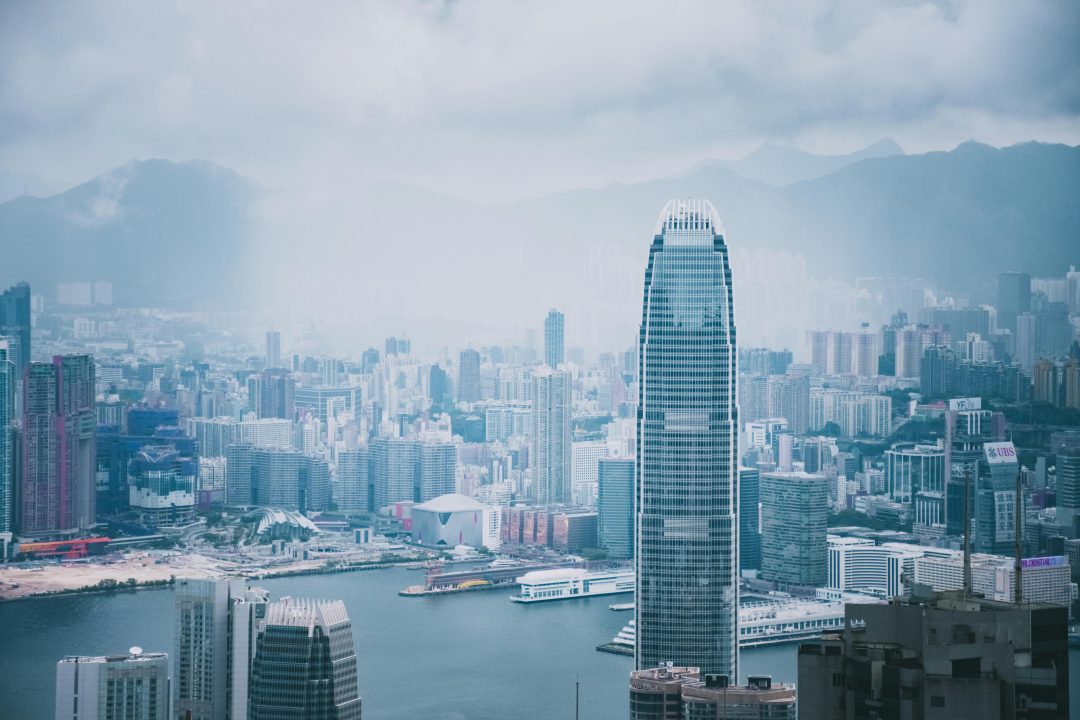
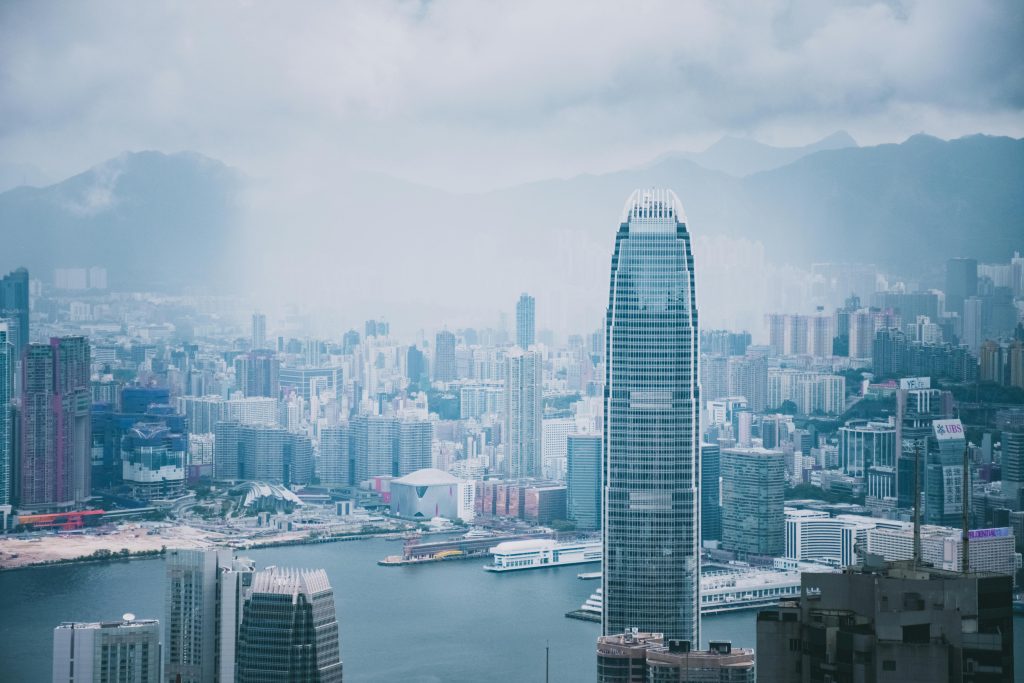
(Singapore, 02.06.2026)Hong Kong’s property market has enjoyed a strong recovery over the past two years, with mainland Chinese buyers playing a major role in the rebound. However, new measures by Beijing to tighten controls on cross-border fund transfers could create fresh challenges, particularly for the city’s luxury housing segment.
According to property agency data, mainland Chinese buyers spent approximately HK$43 billion (S$7.01 billion) on Hong Kong real estate during the first quarter of 2026, the highest amount ever recorded for the period. Their growing presence has helped revive a market that suffered years of falling prices and weak investor sentiment.
Unlike previous cycles, mainland buyers are no longer focusing solely on luxury properties. They are increasingly purchasing a wider range of homes, including mid-market apartments, newly launched residential projects, and even commercial buildings. Many are attracted by Hong Kong’s lower tax environment, international financial system, and expanded visa pathways that make relocation easier.
The influx of affluent and highly educated mainland residents has boosted demand in popular residential districts such as Kai Tak and Wong Chuk Hang, where newly completed developments have become especially attractive to newcomers.
Bloomberg reported that mainland Chinese buyers are purchasing higher-value properties than their local counterparts. Midland Realty data showed that the median home purchased by mainland buyers was worth HK$6.95 million (S$ 1.13million) in the first four months of 2026, compared with HK$5.43 million (approximately S$0.88 million) for local purchasers.
Industry players say mainland buyers are now involved in nearly every segment of the property market.
“They are active in rentals, mass-market housing and luxury properties,” said a property agency representative. “In many transactions today, Mandarin has become as common as Cantonese.”
The surge in mainland demand accelerated after Hong Kong abolished additional taxes on non-local homebuyers in 2024. Since then, mainland purchasers have accounted for roughly one-third of all residential property transactions in the city.
However, the market now faces a potential headwind.
In May, Chinese authorities announced stricter enforcement measures targeting unauthorized channels used to move money overseas. The government also pledged stronger oversight of banks and overseas investment activities.
While mainland Chinese citizens are already subject to an annual foreign exchange limit of US$50,000 (S$63,911) per person, many wealthy buyers have historically relied on various legal and informal channels to fund overseas investments, including property purchases.
Analysts believe the new scrutiny could make it more difficult for some buyers to transfer large sums needed for property deposits, especially in Hong Kong’s luxury market, where down payments can reach tens of millions of dollars.
The impact is expected to be felt most strongly in high-end residential properties rather than the broader housing market.
Luxury homes often require significant cash payments upfront, making them more vulnerable to tighter controls on cross-border capital movements. Buyers who need to move substantial funds from mainland China may face longer approval processes or greater regulatory scrutiny.
Nevertheless, market observers do not expect demand from mainland buyers to disappear.
Many wealthy Chinese individuals already maintain overseas assets, offshore bank accounts, or international business operations, allowing them greater flexibility when making property investments outside mainland China.
As a result, analysts believe mainland buyers will remain an important source of demand for Hong Kong real estate despite the latest policy changes.
Some market forecasts remain highly optimistic. Analysts expect a combination of mainland demand, returning local buyers, and tightening housing supply to support prices over the coming years.
After four consecutive years of decline, Hong Kong home prices have recovered approximately 10% from their recent lows. This rebound contrasts sharply with mainland China’s housing market, which continues to face downward pressure following a prolonged property downturn that began in 2021.
The improving performance of Hong Kong real estate has helped restore confidence among potential investors who previously worried that prices could remain weak for an extended period.
Market estimates suggest that annual housing completions between 2026 and 2028 could average around 14,450 units, significantly lower than the nearly 18,000 units delivered annually over the past three decades.
At the same time, investors are increasingly attracted by positive rental yields. In many cases, rental income now exceeds mortgage financing costs, creating favorable investment conditions for landlords.
The influence of mainland Chinese capital extends beyond residential property.
Hong Kong’s commercial real estate sector, which has struggled with high vacancy rates and weaker demand since the pandemic, has received significant support from Chinese corporations.
Over the past year, major mainland technology companies have completed some of the city’s largest office property transactions. Industry experts also report growing interest from firms involved in artificial intelligence, biotechnology, and financial technology.
Many of these companies view Hong Kong as an ideal base for international expansion due to its global financial connectivity and business-friendly environment. Some are reportedly exploring purchases of entire office towers as part of their long-term growth strategies.
The retail property sector has also benefited from the arrival of mainland brands.
Chinese beverage chains, fashion retailers, and financial services firms have increasingly occupied storefronts in prime shopping districts that previously struggled with vacancies. Their expansion has helped improve occupancy rates in several key retail locations.
Industry observers note that many mainland brands see Hong Kong as a testing ground before entering broader international markets. Establishing a presence in the city allows companies to build brand recognition and gain overseas experience while remaining close to their home market.
Despite the generally positive outlook, analysts agree that the luxury segment faces the greatest uncertainty.
Mainland Chinese buyers accounted for more than half of all Hong Kong property transactions valued above HK$100 million (S$16.30 million) during the first quarter of 2026, a significant increase from the previous year. Any restrictions that make it harder to transfer large amounts of money across borders could therefore affect this segment disproportionately.
Still, experts believe that unless Beijing introduces even stricter measures, luxury home sales could remain resilient. Many high-net-worth buyers already have funds positioned outside mainland China and continue to view Hong Kong property as a desirable long-term investment.
For these buyers, attractive opportunities in the market may continue to outweigh concerns over tighter capital controls, ensuring that mainland Chinese investors remain a major force in Hong Kong’s property sector for years to come.