



























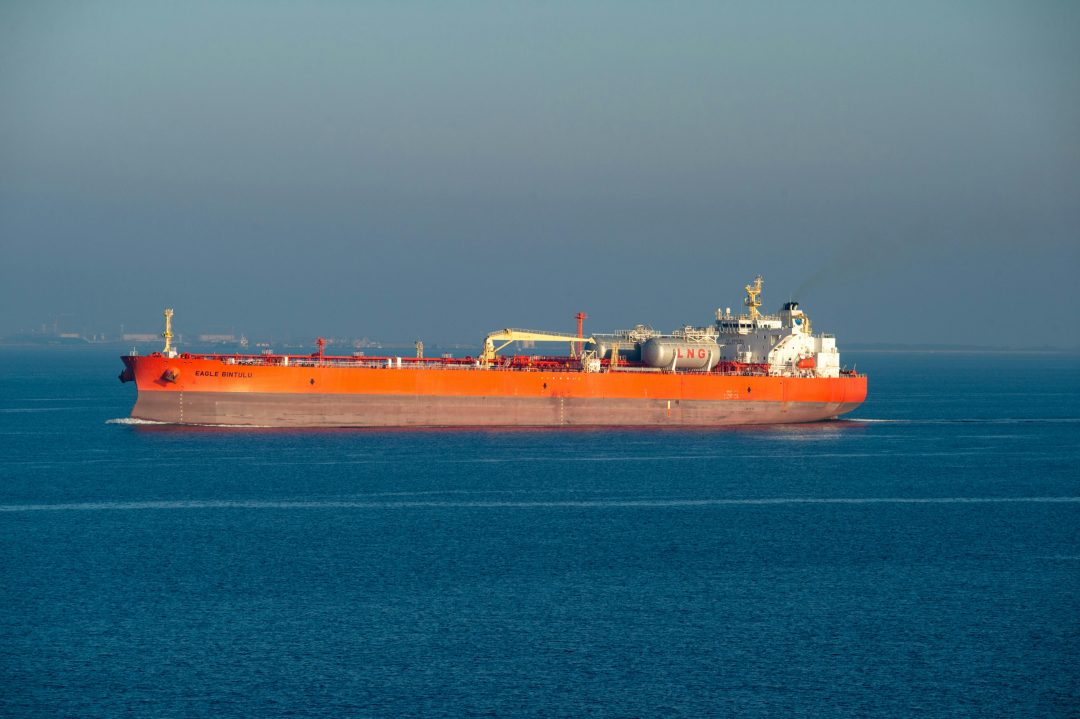
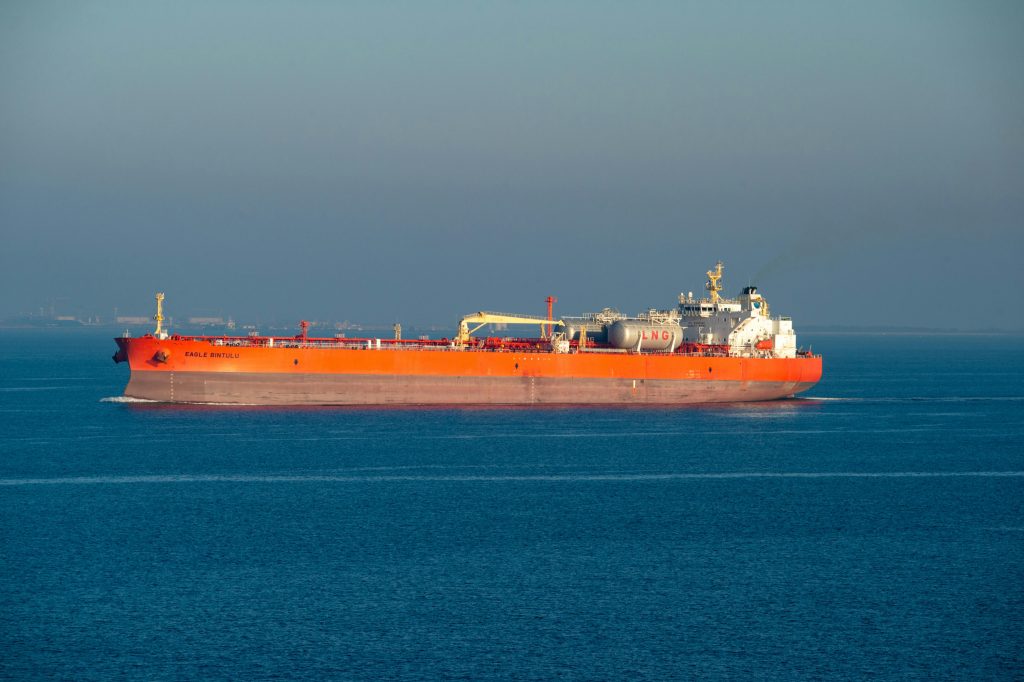
(Singapore, 03.03.2026)Global energy markets were thrown into turmoil this week as the escalating conflict between the United States, Israel and Iran sent oil and gas prices soaring, disrupted shipping routes and pushed freight rates to historic highs.
At the heart of the crisis is the Strait of Hormuz, the narrow waterway between Iran and Oman that carries about one-fifth of the world’s oil and a similar share of liquefied natural gas (LNG).
Shipping traffic through the strategic chokepoint has slowed dramatically, with maritime security agencies reporting that vessel movements have plunged by as much as 80%. Several tankers remain stranded in the Persian Gulf, while shipowners reassess the risks of operating in the region.
Although the US military has said the strait is not formally closed, Iran has threatened to fire on vessels attempting to pass. The heightened security risk alone has been enough to paralyse commercial shipping and inject a massive risk premium into global energy markets.
Freight Rates and Energy Prices Surge
The financial impact has been immediate and severe. The benchmark freight rate for very large crude carriers (VLCCs) transporting two million barrels of oil from the Middle East to China surged to a record high on Monday. On the Worldscale measure, the TD3 route jumped to W419, equivalent to about US$424,000 per day, roughly double Friday’s level.
LNG shipping rates have also spiked sharply. In the Atlantic Basin, daily charter rates climbed above US$60,000, up more than 40% in a single session. Some shipowners and brokers were reportedly asking for more than US$200,000 per day for LNG tankers, though it remains unclear whether deals have been concluded at those levels.
Analysts say the surge reflects both physical disruption and tight vessel supply. Availability was already constrained following weather-related delays in February. Now, operators are competing aggressively for ships willing to sail near the conflict zone, pushing rates higher by the hour.
The disruption has reverberated across commodity markets. Brent crude futures climbed above US$80 per barrel, extending gains of nearly 10% this week. European natural gas prices surged more than 20% after Qatar, home to the world’s largest LNG export facility, halted production following attacks linked to the widening conflict.
The structure of oil futures markets also signals tightening supply. The gap between near-term Brent contracts widened sharply, indicating traders are willing to pay a premium for immediate deliveries amid uncertainty over shipments from the Gulf.
Energy infrastructure across the region has come under pressure. Saudi Arabia reportedly halted operations at a major refinery after a nearby drone strike, while Qatar’s LNG output suspension has intensified fears of supply shortages. If disruptions persist, producers could face storage constraints that may eventually force output cuts.
Asia Scrambles for Supply as Inflation Risks Rise
Asian economies, heavily dependent on Middle Eastern oil and gas, are racing to secure alternative supplies. China, India, Japan and South Korea collectively import large volumes of crude and LNG that typically transit the Strait of Hormuz.
Traders say LNG buyers have been working around the clock to source cargoes from outside the region. Supplies from the United States and Australia are being considered but longer shipping distances and inflated freight rates mean significantly higher landed costs.
Some buyers have requested that April cargoes be delivered earlier, in March, to build a buffer. Governments across Asia say stockpiles can cushion short-term disruption. Refineries typically hold two to three weeks of crude inventories, and storage facilities in Japan and other parts of the region contain Middle Eastern barrels that can be drawn down if needed.
However, a prolonged conflict would quickly test those reserves. Industry sources indicate that several Asian refiners are considering cutting operating rates by 20% to 30% if crude shipments remain delayed. Even with strong refining margins, processors may reduce throughput to conserve feedstock.
The broader financial fallout is already visible. Global equity markets have retreated as investors price in higher energy costs and rising inflation risks. Bond yields have climbed amid concern that central banks may have less room to ease policy if energy-driven price pressures intensify. The US dollar has strengthened as investors seek safe-haven assets.
Higher oil, gas and freight costs typically ripple through supply chains, raising transportation expenses, manufacturing costs and eventually consumer prices. For Asia’s import-reliant economies, the spike threatens to widen trade deficits and squeeze corporate margins.
Market analysts warn that if the Strait of Hormuz remains effectively closed for weeks, Persian Gulf producers could face mounting storage pressure, potentially forcing output adjustments. Such a scenario would further tighten global supply and add upward pressure on prices.