























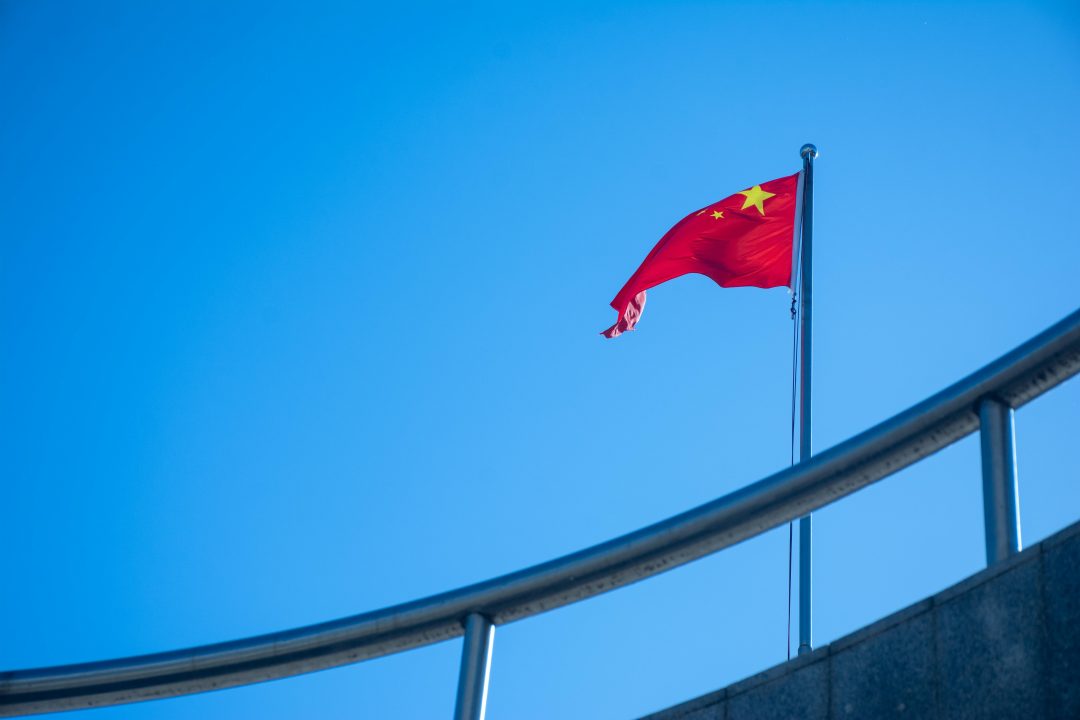
(Singapore, 26.05.2026)China’s tightening grip on its artificial intelligence sector is beginning to reshape the global tech landscape, as Beijing moves to protect its most valuable AI talent and technologies amid growing tensions with the United States.
Over the past few months, Chinese authorities have introduced a series of measures aimed at preventing sensitive AI expertise, investments and semiconductor technologies from flowing overseas. The moves reflect Beijing’s growing view that AI engineers, startups and advanced chips are now strategic national assets, much like nuclear technology or military research.
According to recent reports, China has started restricting overseas travel for top AI professionals working at private firms, including major technology companies such as Alibaba Group Holding and rising AI startup DeepSeek. Individuals involved in advanced AI development are reportedly required to seek government approval before traveling abroad.
While China has long imposed travel restrictions on state-owned enterprise executives, scientists and government officials, extending such controls to private-sector AI talent marks a significant escalation. The policy highlights Beijing’s concern that China could lose critical expertise and intellectual property at a time when the global AI race is accelerating.
The restrictions come after the controversial acquisition of AI startup Manus by Meta Platforms earlier this year. Manus, originally founded by Chinese entrepreneurs before relocating to Singapore, became a symbol of Beijing’s fears that valuable Chinese AI innovation could migrate overseas.
The acquisition reportedly triggered strong backlash within China, with critics arguing that the country had effectively lost an important AI asset to a geopolitical rival. Chinese regulators later launched investigations into the deal and tightened scrutiny on foreign investments in sensitive technology sectors.
As part of the response, Chinese regulators are also limiting US investment in domestic AI firms unless government approval is granted. Startups such as Moonshot AI and StepFun were reportedly told to avoid accepting American capital without official clearance. Even ByteDance, owner of TikTok, has allegedly been subjected to tighter controls involving foreign share sales.
The broader message from Beijing is increasingly clear. China wants tighter control over the ownership, movement and development of critical AI technologies.
At the same time, the United States has been intensifying efforts to block advanced AI chips from reaching China. Since 2022, Washington has imposed export controls on high-end AI semiconductors produced by Nvidia and other chipmakers, arguing that such technologies could strengthen China’s military and strategic capabilities.
However, global demand for Nvidia’s AI chips remains enormous, especially among Chinese firms seeking to train large language models like ChatGPT.
This has led to growing concerns over chip smuggling networks operating across Asia.
Taiwanese authorities recently launched their first major crackdown on alleged semiconductor smuggling involving AI servers assembled by Super Micro Computer. Prosecutors accused three individuals of using fraudulent documentation to export AI servers containing Nvidia chips to China, Hong Kong and Macau in violation of US trade restrictions.
The case is part of a wider international investigation into illicit shipments of advanced AI hardware into China. US prosecutors previously charged individuals linked to Super Micro in a separate case involving billions of dollars’ worth of AI servers allegedly diverted through Southeast Asia before eventually reaching Chinese customers.
One company under scrutiny is Thailand-based OBON Corp., which US authorities suspect may have helped facilitate shipments of restricted AI servers. Some of those systems were allegedly linked to Chinese AI giant Alibaba, although the company has denied involvement in any smuggling activities.
The situation has placed Southeast Asia in the middle of an increasingly intense technological rivalry between Washington and Beijing.
Countries such as Thailand, Singapore and Malaysia have become important regional hubs for data centers, AI infrastructure and semiconductor logistics. But they are also facing growing pressure from the US to tighten oversight and prevent restricted technologies from being rerouted into China.
Taiwan, home to much of the world’s semiconductor manufacturing capacity, is also taking a firmer stance. Under President Lai Ching-te, Taiwanese authorities have become more aggressive in enforcing export controls and investigating potential technology leakages.
Even Nvidia CEO Jensen Huang recently urged Super Micro to strengthen its compliance systems after the Taiwan investigation became public. Huang emphasized that all partners within Nvidia’s supply chain must follow strict export regulations.
Despite the tightening restrictions, analysts believe the global AI supply chain will remain difficult to fully control.
Chinese companies still have strong incentives to obtain advanced AI chips, whether through overseas cloud services, third-party intermediaries or alternative supply routes. At the same time, China continues investing heavily in domestic semiconductor development to reduce reliance on American technology.
Yet Beijing’s increasingly strict controls could also create unintended consequences. Travel restrictions and tighter government oversight may discourage some AI professionals from remaining in China long term, especially younger engineers with global ambitions.
For now, both China and the United States appear determined to deepen their control over AI ecosystems, investments and semiconductor supply chains. What was once viewed primarily as a commercial technology race is now increasingly being treated as a matter of national security.
As governments tighten regulations and companies navigate growing geopolitical risks, the AI industry is entering a new phase where talent, chips and even cross-border mobility have become key battlegrounds in the race for technological dominance.