


























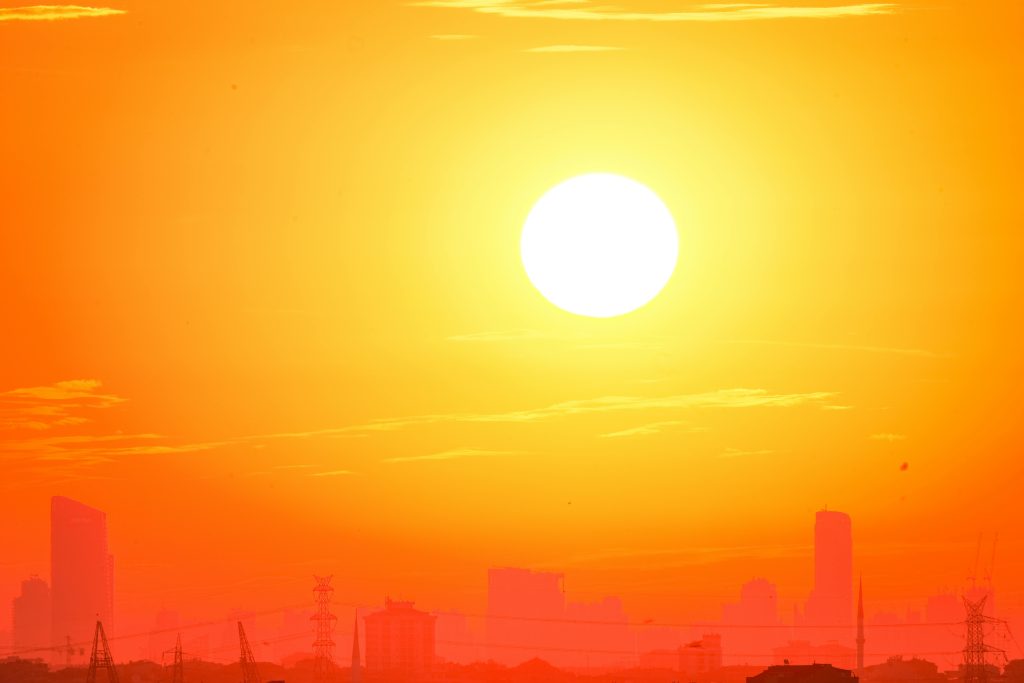
(Singapore, 09.06.2026)As temperatures climb and weather patterns become increasingly unpredictable, governments and scientists are racing to find solutions to some of the world’s most pressing climate-related challenges.
From Singapore’s efforts to cool its cities more efficiently to growing concerns about ocean health and the impact of extreme weather on food production, recent developments highlight the urgency of climate adaptation and environmental protection.
Singapore Searches for Smarter Ways to Stay Cool
Singapore is expanding the use of district cooling systems, a technology first introduced more than a century ago, as part of its strategy to cope with rising temperatures and improve energy efficiency.
Unlike traditional air-conditioning units installed in individual buildings, district cooling works by producing chilled water at a central plant and distributing it through underground pipes to multiple buildings. The cold water absorbs heat from indoor spaces before returning to the plant to be cooled again.
The system is already operating in several parts of Singapore, including Marina Bay and Punggol. In Punggol, a network of underground pipes stretches for several kilometers, supplying chilled water to offices, schools and residential developments.
Experts say the technology can reduce electricity consumption by 30% to 50% compared with conventional air-conditioning systems because cooling is produced on a much larger and more efficient scale.
The move comes at a critical time for Singapore. The city-state is experiencing temperature increases at nearly twice the global average rate, while demand for cooling continues to rise due to urbanization, economic growth and expanding commercial developments.
Air-conditioning remains one of the largest contributors to electricity consumption in tropical cities. At the same time, widespread use of cooling systems generates additional greenhouse gas emissions, creating a cycle where rising temperatures increase demand for cooling, which in turn contributes to further warming.
To address these challenges, Singapore has invested heavily in climate adaptation measures, including plans worth billions of dollars to strengthen resilience against rising temperatures and sea levels.
Industry players believe district cooling could become an increasingly important solution across Southeast Asia, particularly in rapidly developing urban centers where energy demand is growing quickly.
Oceans Under Pressure from Multiple Threats
While cities search for ways to adapt to climate change, scientists warn that the world’s oceans are approaching a critical tipping point.
A newly released United Nations assessment paints a troubling picture of marine ecosystems under pressure from climate change, pollution, overfishing and biodiversity loss.
According to the report, rising ocean temperatures are contributing to coral reef destruction, declining fish populations and accelerating sea-level rise. These changes threaten both marine life and the billions of people who depend on oceans for food, employment and economic activity.
Fish stocks are becoming increasingly strained as harvesting rates exceed the ability of some species to replenish themselves. At the same time, warming seas are damaging coral reefs, which provide habitat for roughly a quarter of all marine species.
Scientists also note that oceans have absorbed vast amounts of excess heat generated by human activities. This has led to more frequent marine heatwaves and contributed to stronger storms and changing migration patterns among marine species.
Pollution remains another major concern. Plastic waste, agricultural runoff, untreated sewage and chemical contaminants continue to enter oceans, affecting marine ecosystems and potentially entering the human food chain through seafood consumption.
Researchers are also concerned about efforts to scale back ocean monitoring programs. In the United States, plans to dismantle much of a major ocean observation network have raised concerns among scientists, who say continuous data collection is crucial for understanding long-term climate trends, ocean currents and marine ecosystem changes.
Despite these challenges, experts believe there is still time to reverse some of the damage if countries strengthen cooperation and accelerate conservation efforts.
Extreme Weather Raises Risks to Food Security
The impact of climate change is also becoming increasingly visible on land.
In China, authorities have issued warnings as forecasts predict heavy rainfall across southern provinces over the coming days. Some areas are expected to receive exceptionally high levels of precipitation, increasing the risk of flash floods and waterlogged farmland.
Agricultural officials are particularly concerned about rice-growing regions. Excessive rainfall can wash away seedlings, damage crops and create favorable conditions for pests and plant diseases.
China is one of the world’s largest rice producers, making weather-related disruptions a concern not only for domestic food supplies but also for global agricultural markets.
The situation comes as farmers across Asia face mounting pressures from changing weather patterns, higher production costs and geopolitical tensions that have driven up fuel and fertilizer prices.
Meteorologists have warned that wetter-than-normal conditions may persist across parts of southern China throughout this year’s flood season, prompting authorities to strengthen monitoring and encourage farmers to improve drainage systems.
Taken together, these developments highlight the growing challenges posed by a warming planet. Whether through investing in climate-resilient infrastructure, protecting marine ecosystems or safeguarding food production, governments and industries are increasingly being forced to adapt.
Experts say the coming decade will be critical. The decisions made today could determine how effectively societies respond to rising temperatures, environmental degradation and increasingly extreme weather events in the years ahead.