























(Singapore, 30.06.2026)As electricity demand continues to rise with the rapid growth of artificial intelligence (AI), data centres, electric vehicles and high-performance computing, the resilience and efficiency of national power infrastructure are becoming increasingly important measures of economic competitiveness.
A recent industry report by Cushman & Wakefield highlighted Singapore as one of the world’s best-performing electricity markets, recording a grid transmission loss rate of just 0.2 per cent—significantly lower than the Asia-Pacific average of 8.2 per cent. By comparison, transmission losses were reported at 1.2 per cent in Texas, 1.4 per cent in Virginia, 13 per cent in Johor and 14.2 per cent in India.
According to Kerr Sun, Director of 9 Solar FinTech, the findings demonstrate that discussions about renewable energy should not focus solely on solar panels. The electricity grid plays an equally critical role because it is responsible for transmitting, balancing and distributing electricity generated from renewable sources.
He noted that many countries enjoy abundant sunshine and vast land resources, yet renewable energy deployment is often constrained by insufficient grid infrastructure and transmission capacity. Even where solar generation is strong, renewable electricity cannot be fully utilised without an efficient network to absorb and distribute it.
Singapore’s highly efficient grid therefore provides a strong technical foundation for integrating renewable energy into the national power system. However, Kerr emphasised that successful solar adoption also depends on practical financing models, quality installation, regulatory support, rooftop availability and consumer participation.
Solar Energy and the National Grid Work Hand in Hand
Kerr believes one of the most common misconceptions among homeowners is that installing solar panels means becoming independent of the national electricity network.
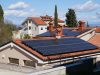
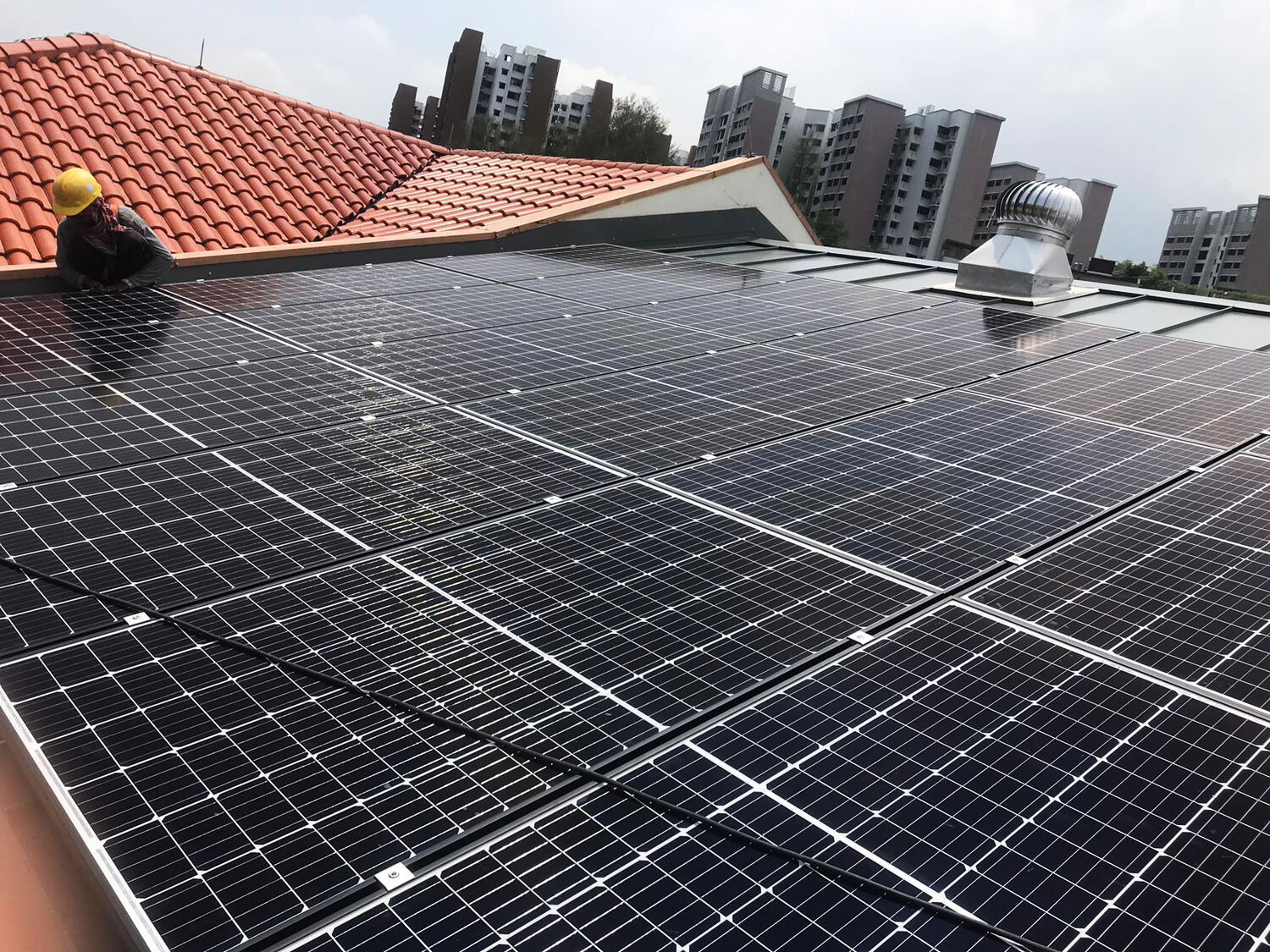
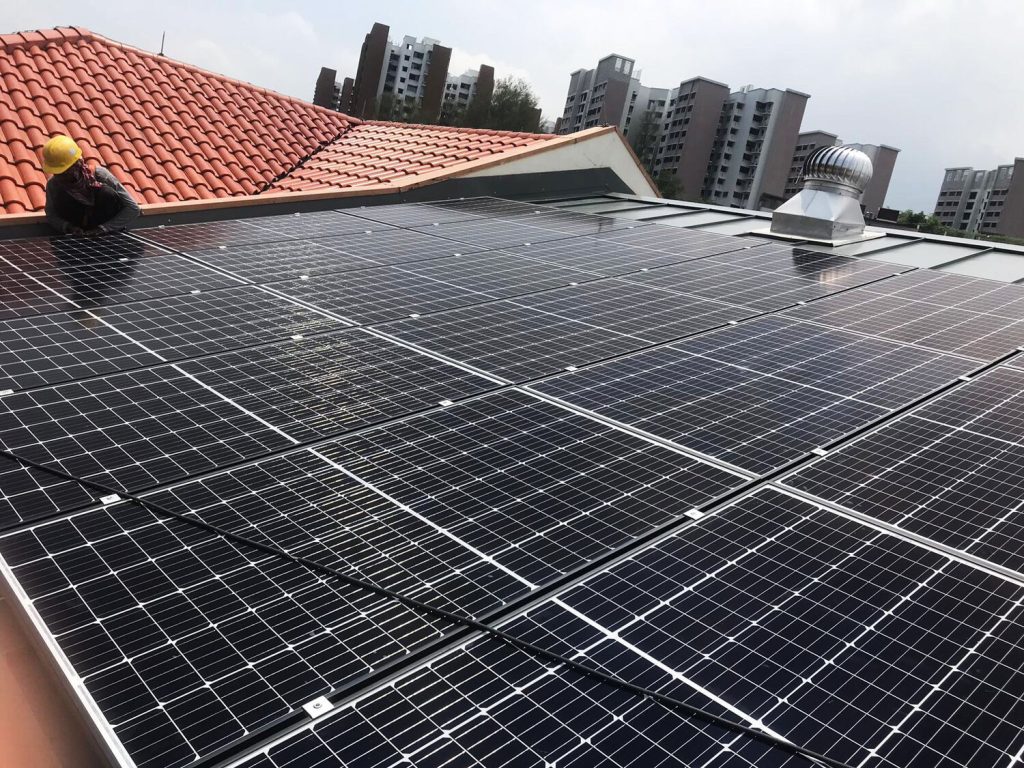
In reality, most residential solar systems in Singapore operate under a grid-connected model. Electricity generated during the day is first used within the property, while surplus electricity can be exported back to the national grid. When solar generation is insufficient, particularly during the evening, electricity continues to be supplied through the existing grid.
Rather than competing with one another, rooftop solar and the national electricity network complement each other. A more efficient grid enables renewable electricity to be utilised more effectively while maintaining a stable and reliable power supply.
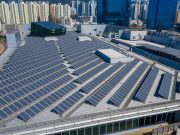
Kerr added that Singapore’s solar ecosystem is currently driven by both residential and commercial installations. Commercial buildings contribute larger generation capacity through expansive rooftops, while residential properties collectively form a distributed energy network across the island.
“The future green energy network will be built through the collective contribution of many rooftops,” he said.
Every Rooftop Can Become a Green Energy Asset
Unlike countries such as Australia, China and the United States, Singapore has limited land available for large-scale solar farms. Nevertheless, its relatively consistent year-round solar irradiance, combined with one of the world’s most efficient electricity grids, provides favourable conditions for expanding rooftop solar adoption.
Kerr believes Singapore’s greatest opportunity lies not in building massive ground-mounted solar projects, but in unlocking the potential of existing residential, industrial and commercial rooftops.
As green finance, solar technology and energy management continue to evolve, he expects more property owners to view rooftop solar as a long-term energy asset rather than simply a way to reduce electricity bills.
“Singapore may not have the conditions for massive solar farms, but we should not overlook any rooftop capable of generating clean energy,” he said.
Whether it is a landed home, factory or commercial building, every rooftop has the potential to contribute to Singapore’s energy transition.
In Kerr’s view, the country’s world-class grid efficiency, coupled with greater participation from property owners, will provide a strong foundation for the continued growth of renewable energy.
“Every rooftop can become a green energy asset.”