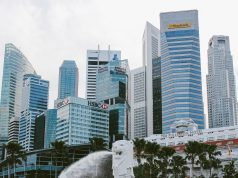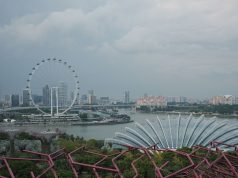





















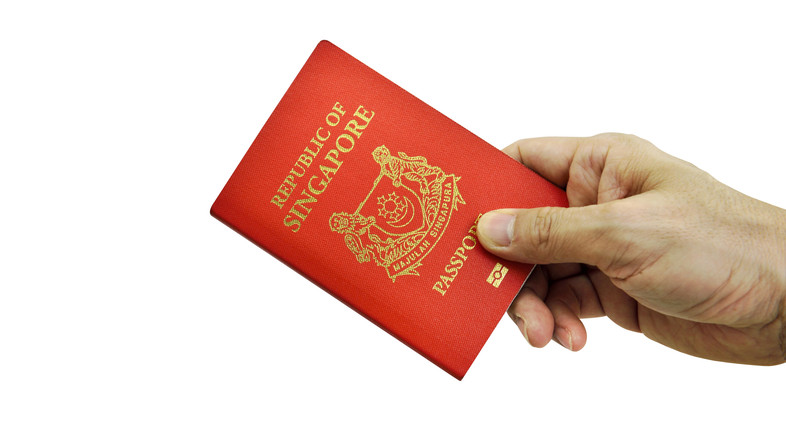
(Singapore, 21.07.2026)Singapore has retained its position as the world’s most powerful passport, offering visa-free or visa-on-arrival access to 192 destinations, according to the latest Henley Passport Index.
The ranking comes at a time of growing geopolitical uncertainty and declining global peacefulness. The United Arab Emirates was the biggest mover since January, rising three places to join Japan and South Korea in second place, with access to 188 destinations.
Based on Timatic data from the International Air Transport Association, the Henley Passport Index shows that global mobility has expanded significantly over the past two decades. The average passport now provides access to 108 destinations, compared with 58 in 2006.
However, the divide between the world’s strongest and weakest passports has also widened. Afghanistan, which remains at the bottom of the ranking, offers access to just 22 destinations — a record gap of 170 destinations compared with Singapore.
Singapore’s top position reflects more than travel convenience. The report notes that passport strength is shaped by a country’s diplomatic capital, international trust, economic links and ability to build cooperation with other nations.
Dr Christian H. Kaelin, chairman of Henley & Partners and creator of the index, said passport power has become an important expression of geopolitical capital, reflecting whether other countries see a nation as a valuable partner for trade, investment, security and cooperation.
Singapore also performs strongly on the Global Peace Index, where it ranks eighth worldwide. According to Henley & Partners’ analysis, there is a strong positive relationship between peacefulness and passport power, with stability, institutional confidence and international cooperation often supporting greater freedom of movement.
Still, the report notes that peace alone does not determine passport strength. Diplomatic influence, economic weight, regional integration and reciprocal visa arrangements can also make a significant difference.
Twenty years ago, Singapore ranked eighth on the Henley Passport Index. Its rise to first place underscores the long-term value of international connectivity, credibility and diplomatic engagement.
In an era when cross-border mobility is increasingly shaped by geopolitics, visa policies and security concerns, a passport represents more than the freedom to travel. It is also a measure of a country’s connection with the world.