


























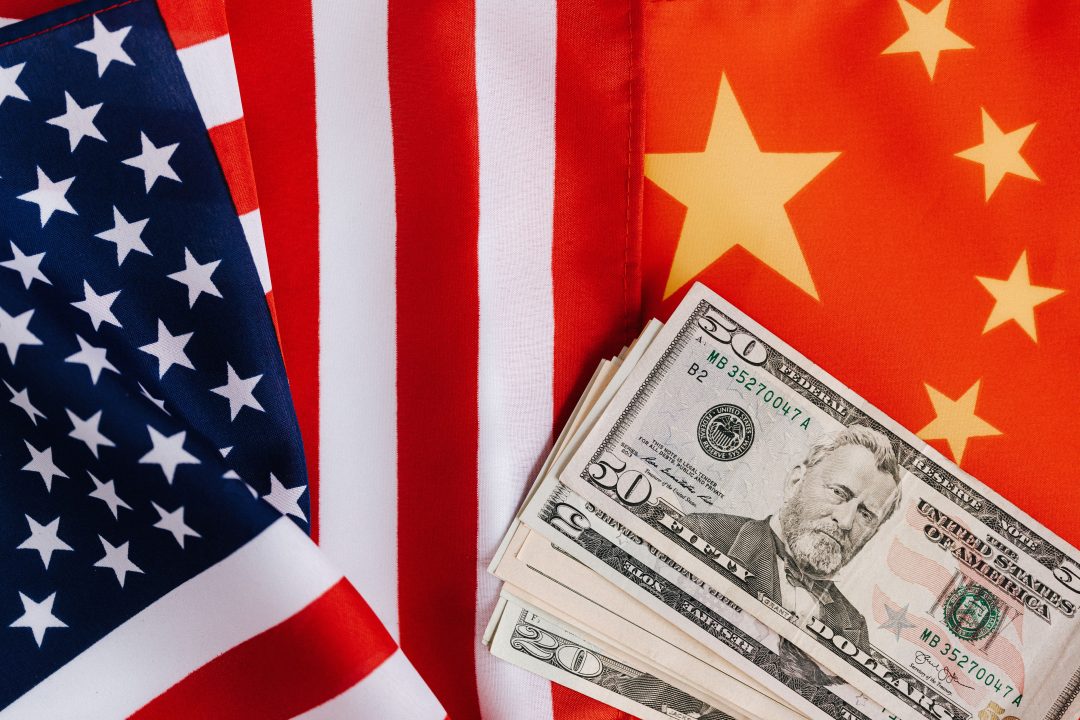
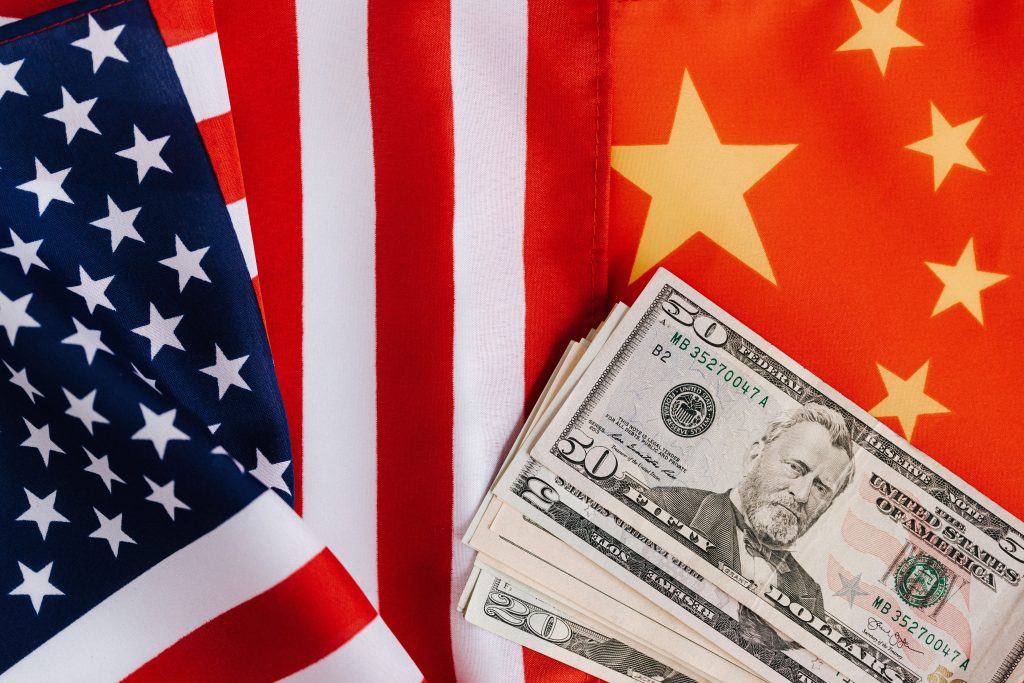
(Singapore, 15.10.2026)A sharp rise in US bonds recorded as Canadian holdings is drawing attention on Wall Street, with some investors questioning whether China has shifted assets through overseas banks rather than cut its exposure as heavily as official figures suggest.
Canada’s reported holdings of US Treasuries and bonds backed by federal housing agencies have more than quadrupled in five years to nearly US$600 billion, Bloomberg reported on October 15. The increase has prompted debate over who ultimately owns the securities and how much Chinese money remains invested in American debt.
The distinction matters because US data show a substantial retreat by China over the past decade. Its reported Treasury holdings have halved to US$618 billion since 2016, while its recorded ownership of federally backed mortgage bonds has dropped by almost half since the start of 2024.
Some investors and strategists believe those declines may partly reflect changes in where the assets are held. Securities placed with custodian banks outside China may appear under another country in US Treasury statistics, making Beijing’s actual exposure difficult to establish.
However, there is no direct evidence linking Canada’s increase to Chinese assets. Bloomberg reported that China’s State Administration of Foreign Exchange declined to comment, while Canada’s banking regulator said it does not discuss client activity at institutions it oversees. The US Treasury did not respond to a request for comment.
Mortgage bonds attract scrutiny
The Canadian figures caught the attention of Vitaliy Liberman, a mortgage-debt specialist at DoubleLine, as he tracked foreign demand for US securities. Discussions with market participants led him to consider whether China could explain part of the increase.
The growth in mortgage securities has drawn particular scrutiny. Canada’s reported holdings of US-backed mortgage bonds rose from about US$21 billion in mid-2021 to around US$162 billion, an unusually large increase in a market historically dominated by foreign buyers from Japan, Taiwan and China.
A dozen mortgage investors and strategists interviewed by Bloomberg said they had neither seen nor heard of substantial buying by Canadian investors. Some major Canadian financial institutions also said they had not been active buyers.
Still, other explanations remain possible. Alex Etra, senior macro strategist at Vanda Research, suggested Canadian hedge funds could be buying Treasuries and agency securities while using futures to hedge their positions. Such strategies seek to profit from pricing differences between related investments.
The uncertainty highlights a wider limitation of the figures: the country where securities are held does not always reveal the nationality of their ultimate owner.
China’s dollar dilemma
The debate comes as investors assess whether global demand can keep pace with Washington’s borrowing needs. The US is selling debt to finance an annual deficit of about US$2 trillion, while inflation pressures linked to the Iran war have helped push long-term borrowing costs to their highest in nearly 25 years.
A major withdrawal by China would therefore carry significance for the Treasury market. Yet Beijing also faces strong reasons to retain dollar assets, even as it seeks a greater international role for the yuan.
China’s trade surplus with the rest of the world exceeds US$1 trillion, leaving businesses and financial institutions with large dollar inflows that need to be invested.
Selling those dollars could strengthen the yuan and make Chinese exports more expensive overseas. Selling large amounts of Treasuries could also push bond prices lower, reducing the value of China’s remaining portfolio.
Brad Setser, a former US Treasury official who tracks international capital flows, argues that the available evidence points more towards China concealing the location of dollar holdings than successfully moving away from them.
Using overseas custodians could make those holdings less visible and support the appearance of financial separation from Washington, although the Canadian figures alone cannot establish that this is happening.
Chinese bonds follow a different path
Meanwhile, China’s domestic bond market has performed strongly despite offering much lower yields than US debt.
Bloomberg reported on October 14 that Chinese bonds returned almost 10% over the previous 12 months for dollar-based investors, compared with losses of 2.2% for a global debt benchmark and 2.1% for Treasuries.
A stronger yuan has contributed to those returns. The currency has gained 4.4% against the dollar this year, while weak domestic demand has helped contain inflation and support Chinese bond prices.
China’s 10-year government bond yielded 1.67%, or 3.52 percentage points below its US equivalent. The gap reached a record 3.62 percentage points earlier this month.
Some fund managers see Chinese bonds as a useful way to spread risk because they respond differently to economic conditions than Western debt. Others remain cautious about low yields and the importance of further currency gains.
Together, the developments show that China’s financial relationship with the US remains difficult to untangle. Chinese bonds are attracting attention as an alternative investment, but China’s export earnings continue to create a need for dollar assets, leaving official ownership figures only part of the picture.