








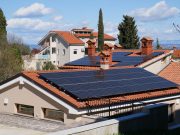


















(Singapore, 19.10.2026)Residential solar technology is moving towards more specialised designs, as manufacturers seek to generate more electricity from limited rooftop space while addressing operating temperatures and the appearance of panels on homes.
A recent product announcement at a solar technology event in Shanghai illustrates this direction, bringing together several established cell technologies in a module aimed specifically at premium residential rooftops.
The development highlights a broader question for the industry: how solar panels can be adapted to the requirements of different buildings and projects, rather than evaluated primarily by their rated power output.
For residential installations, the challenge involves balancing conversion efficiency, available roof area, temperature performance and system design, with visual considerations also influencing how panels are incorporated into a property.
Improving Efficiency Within Limited Roof Space
Rooftop solar systems operate within physical limits, as the area available for installation depends on a building’s dimensions, roof configuration, shading and other equipment occupying the space.
Higher module efficiency can help increase the generating capacity installed within a given area. However, the power rating of an individual panel does not, by itself, establish how effectively a complete rooftop system will perform.
Panel dimensions and placement also matter, because a module with a higher wattage may not necessarily provide the best fit for every roof layout.
At its October 16–17 technology event, JinkoSolar announced a residential module with a stated maximum output of 510 watts and a module conversion efficiency of 25.52%. The specifications provide one example of manufacturers’ efforts to increase the power available from residential rooftop installations.
The company also reported peak cell efficiency of 28%, although cell efficiency and module efficiency are different measurements. The former describes the performance of individual solar cells, while the latter measures the completed panel.
For property owners comparing products, keeping these figures separate is necessary to avoid overstating the performance of the equipment being installed.
The newly announced technology combines features of heterojunction technology, known as HJT, and tunnel oxide passivated contact technology, or TOPCon, with electrical connections positioned at the rear of the cell.
The approach seeks to reduce electrical losses while keeping metal grid lines away from the front surface, allowing more of that surface to receive sunlight.
According to the manufacturer, the design uses different contact structures in different regions of the cell, drawing on the characteristics of both HJT and TOPCon rather than relying on either technology alone.
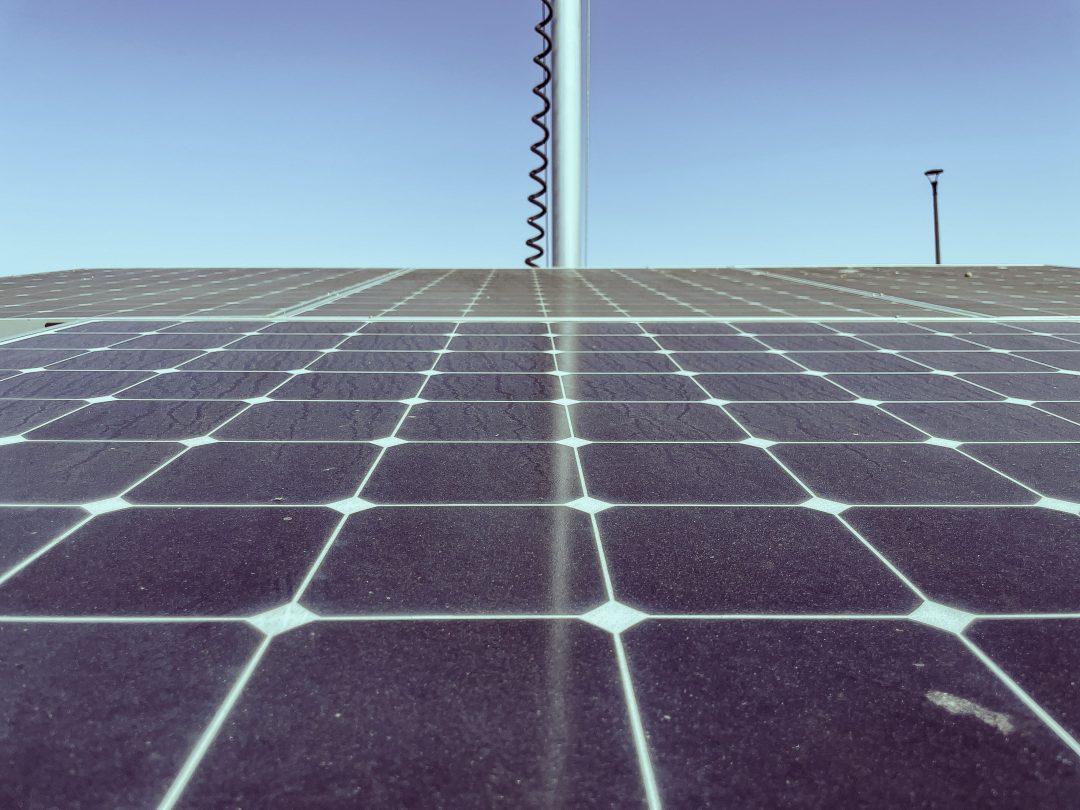
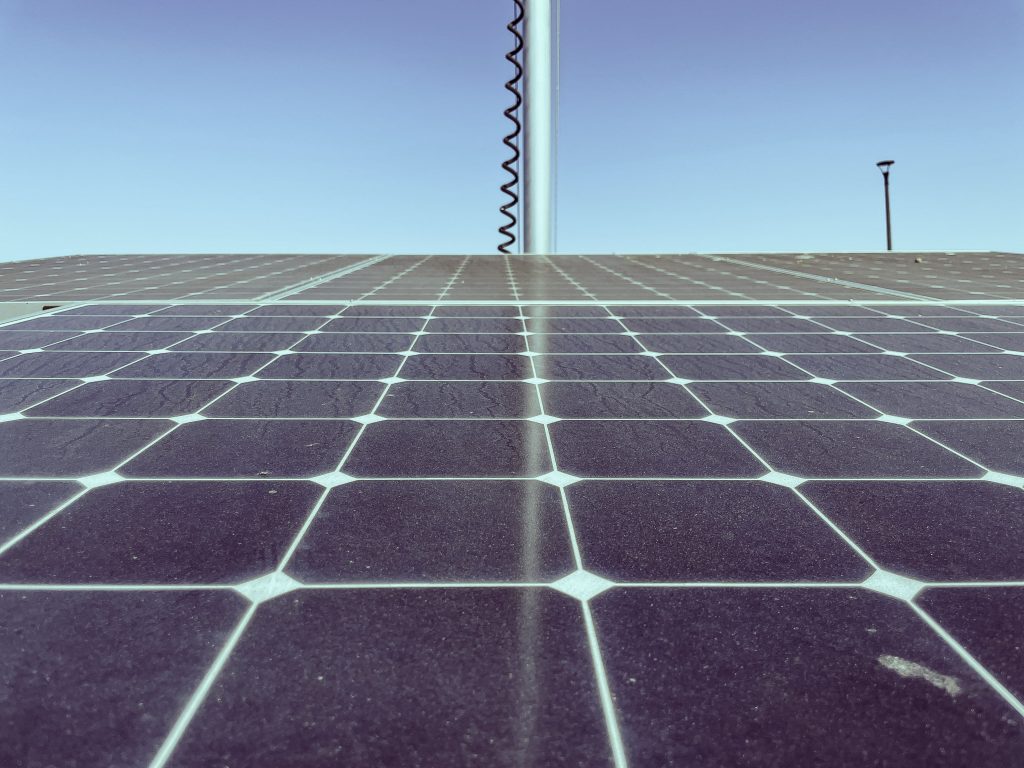
At panel level, closer cell spacing and concealed interconnections are intended to improve the use of available module area while creating a more uniform appearance.
The development illustrates how improvements in solar performance can come from several changes working together, including cell design, electrical connections and the arrangement of cells within a finished panel.
Matching Technology to Operating Conditions
Heat performance is another consideration for rooftop solar, particularly where panels operate under strong sunlight and high temperatures.
The Shanghai announcement included a stated power-temperature coefficient of minus 0.24% per degree Celsius, a specification describing how power output changes as cell temperature rises.
A smaller negative coefficient indicates a lower rate of power loss as the cells become hotter. It does not mean that a panel generates more electricity simply because temperatures increase.
For installations in warm climates such as Singapore, this specification is relevant when assessing equipment, although it remains one part of a wider performance evaluation.
Actual electricity generation depends on several conditions, including solar exposure, shading, roof orientation and operating temperature. A comparison based only on laboratory efficiency or rated wattage cannot capture all these factors.
The announcement also points towards a more differentiated approach to solar product development, with residential rooftops and large-scale projects requiring different combinations of features.
For homes, limited installation space and the appearance of panels can carry considerable weight. For larger projects, factors such as bifacial generation, low-light performance and total energy yield may play a more prominent role.
Bifacial modules can capture light from both sides, but the benefit depends on installation conditions. Similarly, performance during cloudy weather or periods of weaker sunlight contributes to annual electricity production alongside peak output.
These differences help explain why a module developed for one application may not offer the same advantages in another.
Manufacturers are also using operational data, simulation models and artificial intelligence to study how solar equipment performs across different installation conditions and climates, aiming to support technology selection and manufacturing improvements through a better understanding of real operating behaviour.
For residential customers, these developments are most useful when they translate into a system suited to the property, with clear expectations for electricity generation and long-term performance.
As rooftop solar technology advances, the practical priority remains matching panel characteristics with roof conditions, household electricity needs and the design of the complete installation.