




















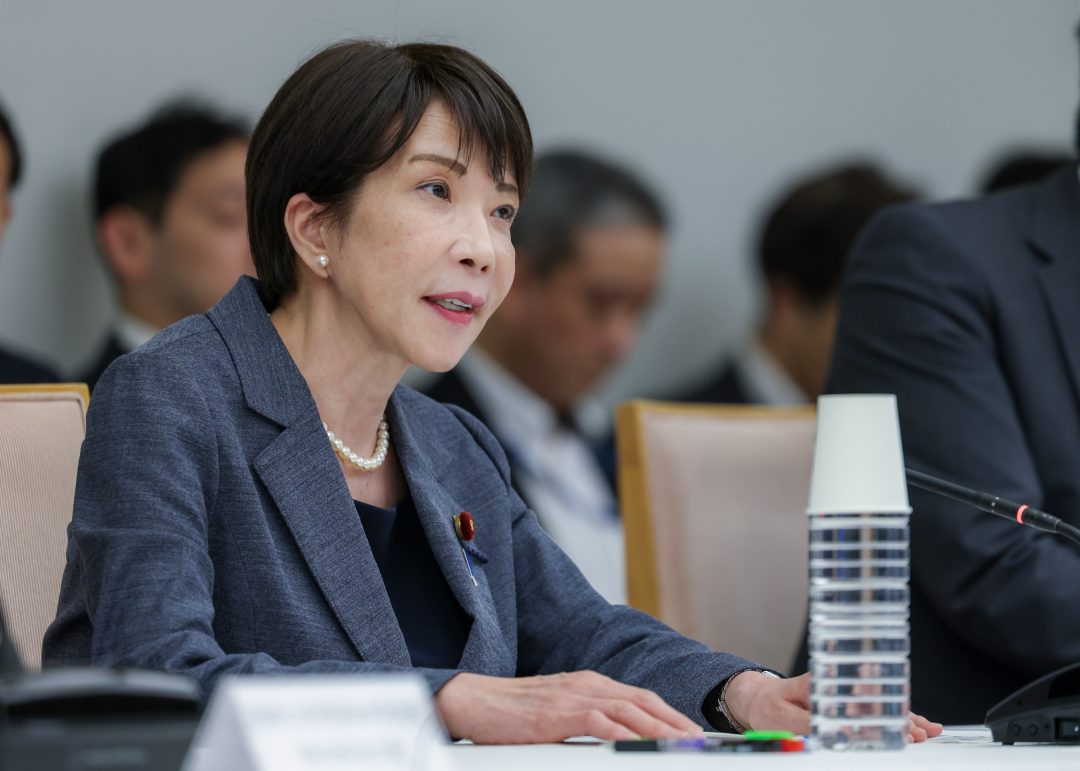
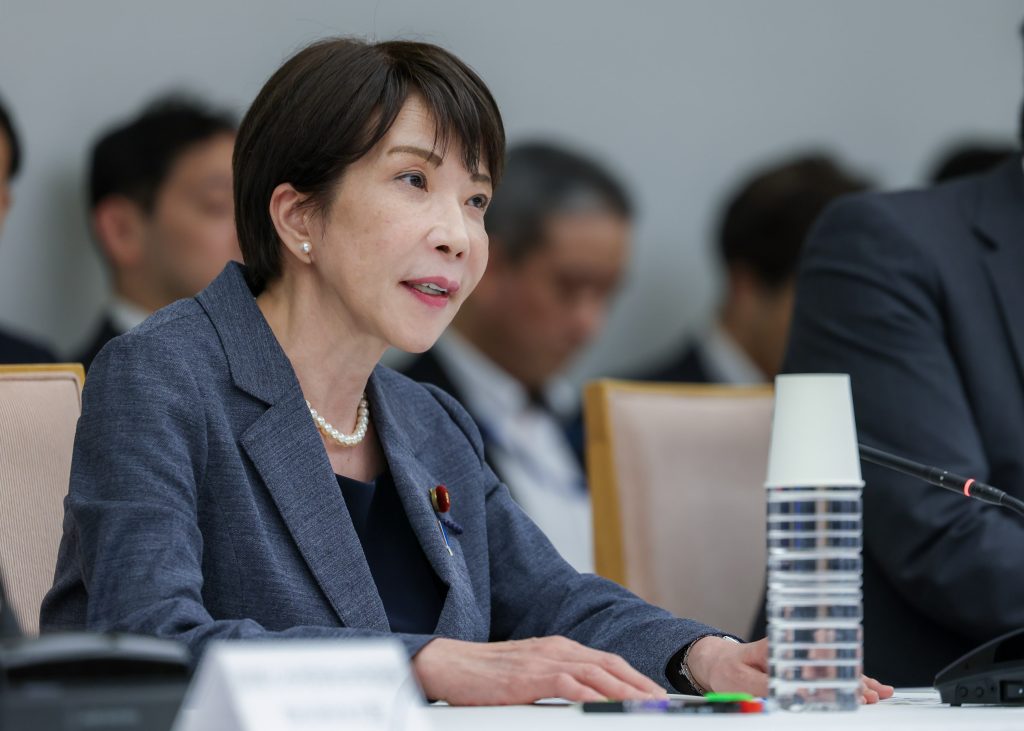
(Singapore, 24.08.2026)Japanese Prime Minister Sanae Takaichi has defended her habit of spending much of her time at the official residence, saying she uses it as a workplace and avoids unnecessary trips partly to reduce the burden on her security staff.
The explanation comes as Takaichi’s unusually intense working style and preference for working alone attract growing attention in Japan, where her approval ratings have fallen from the highs recorded after her landslide election victory earlier this year.
In posts on social media platform X over the weekend, Takaichi said meetings and other work carried out at the official residence do not appear on the prime minister’s published daily schedule, even though she considers the residence another workplace.
She said she has created a working environment there that is essentially the same as the Prime Minister’s Office, allowing her to spend long hours reviewing documents and handling government business without having to travel.
Her comments followed a Nikkei report that found Takaichi had spent a majority of Saturdays, Sundays and public holidays entirely at the residence since becoming prime minister late last year. By comparison, her three predecessors spent only between 3% and 16% of their non-working days entirely at home.
Takaichi said there was another reason behind the arrangement. Whenever she leaves the residence, a sizeable team of personal security officers must accompany her, so she tries to avoid going out during holidays and in the early morning or late at night unless necessary.
The explanation is consistent with a work ethic that has become one of the defining features of her premiership. In July, the 65-year-old leader said she sometimes sleeps for only zero to three hours a night while working through documents.
Her schedule has previously drawn criticism over its impact on government staff. In November, she arrived at the Prime Minister’s Office at 3am to prepare for her first parliamentary debate, requiring aides to attend the early-morning session as well.
At the same time, questions have emerged over whether Takaichi’s preference for working independently has reduced her interaction with Japan’s bureaucracy.
A Bloomberg News analysis of her official schedule through July found that she met Finance Ministry officials about 50% less often than her two immediate predecessors during their comparable periods in office. She also recorded fewer Cabinet Office meetings than any Japanese prime minister over the past 14 years.
Takaichi has also spoken to the media less frequently than previous leaders, relying more heavily on social media to communicate directly with the public.
That approach initially helped distinguish her from the consensus-driven leadership styles often associated with Japanese politics. Takaichi led her coalition to a landslide election victory in February, giving her one of Japan’s strongest political mandates in decades.
But the political environment has become more difficult in recent months. Her approval ratings, which once exceeded 70%, have fallen into the 50% range as households struggle with rising living costs. Critics have accused her government of spending political capital on issues that are less urgent to ordinary voters while progress on inflation and household finances has been slower.
The economic pressure has intensified as the weak yen raises the cost of imported food, energy and raw materials. Japan is also dealing with higher energy costs linked to disruptions in the Middle East, while exceptionally hot weather has driven up electricity demand.
Japan’s nationwide next-day electricity price rose 20% from the previous week to ¥25.18 per kilowatt-hour on Monday, its highest level since January 2023, according to the Japan Electric Power Exchange. Asian liquefied natural gas prices have also more than doubled from levels before the conflict involving Iran intensified earlier this year.
Takaichi has sought to address household concerns by moving ahead with plans to temporarily cut the consumption tax on food and non-alcoholic drinks to 1% from April 2027.
However, the proposal has also raised questions about how her government will finance tax relief while Japan is increasing spending in areas including defence, economic security and strategic industries. The country already has the heaviest government debt burden among major developed economies.
Takaichi’s unconventional working habits have also produced some lighter moments amid the political scrutiny. She moved into the official prime ministerial residence in December, a brick building dating back to 1929 that has long been surrounded by tales of ghosts, a subject previous Japanese prime ministers have occasionally joked about.
Takaichi said she has not encountered any ghosts, but did discover another unwanted resident — cockroaches.
After a secretary arranged for insecticide to be placed around the building, the cockroaches stopped appearing. Takaichi said she was relieved, though she jokingly admitted that their disappearance left her feeling “a little lonely” and even slightly sad.