



























(Singapore, 21.08.2026)The US Treasury is preparing to step up purchases of its own longer-term debt as the government tries to ease pressure on borrowing costs, but investors remain doubtful that the move can provide lasting relief while federal debt and inflation concerns remain elevated.
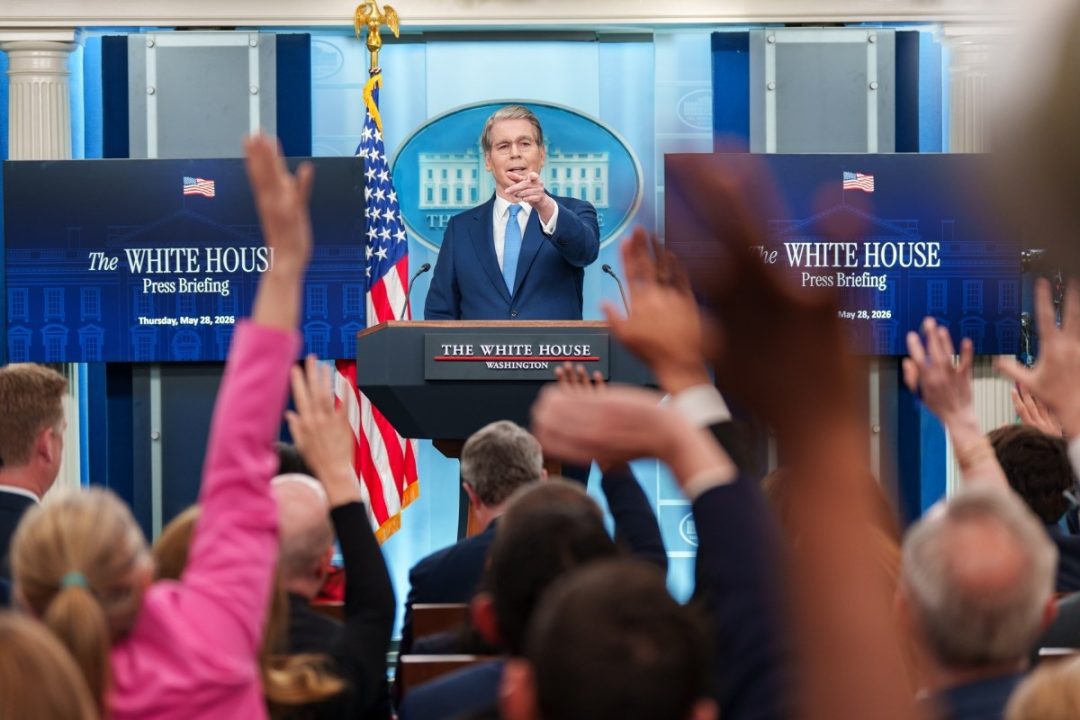
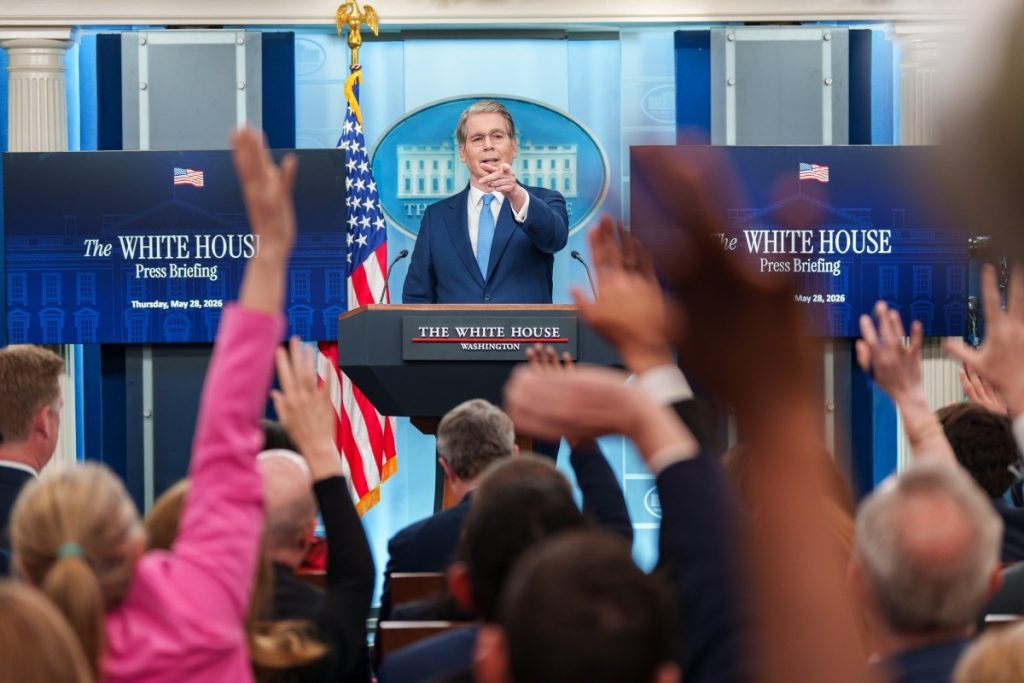
Treasury Secretary Scott Bessent said the government could expand its planned bond buybacks beyond $4 billion per operation, after the department announced that it would at least double purchases of longer-dated securities. He said the move was aimed at supporting liquidity in a thin summer market and encouraging investors to focus on economic fundamentals.
The intervention comes after long-term Treasury yields climbed to their highest levels in years. The 30-year yield recently reached its highest since 2007, while borrowing costs at a recent 10-year Treasury auction were also the highest since that year.
The initial market response was positive, with bond yields falling after the buyback announcement. But the effect quickly faded. On Thursday, the benchmark 10-year yield rose 4.7 basis points to 4.70%, while the 30-year yield climbed 5.5 basis points to 5.249%, moving back towards a 19-year high of 5.34%.
Investors say the problem goes beyond market liquidity. Concerns about inflation, uncertainty over monetary policy and the government’s large fiscal deficits continue to push longer-term yields higher.
Luis Alvarado, co-head of global fixed income at Wells Fargo Investment Institute, said the Treasury’s action was likely to provide only short-term relief because the main forces driving yields higher remain in place. Other investors similarly questioned whether direct intervention could significantly change the longer-term direction of the bond market.
Debt passes $40 trillion
The pressure is becoming more significant as US public debt continues to climb. Total public debt exceeded $40 trillion for the first time this week, reaching $40.05 trillion as of Tuesday. The figure has increased by about one-third in less than five years, after crossing $30 trillion only in January 2022.
Higher yields are making that debt increasingly expensive to finance. With two months remaining in the fiscal year, federal interest costs have reached $1.17 trillion, up 15% from the same period last year. Interest payments are now the government’s third-largest budget expense after healthcare and Social Security.
That has raised concerns over a possible cycle in which higher yields increase government interest costs, forcing Washington to borrow more and prompting investors to demand still higher returns for holding Treasury debt.
Bessent said there was a “very good chance” the US had already passed the peak in its fiscal deficit, pointing partly to recovering tariff revenue. He also said the administration plans to announce a new push for fiscal consolidation, with President Donald Trump assigning him and Budget Director Russ Vought to work on the initiative.
While details have yet to be announced, Bessent pointed to possible savings from efforts to combat fraud and suggested that some federal programmes administered through states could be reduced. He also argued that stronger economic growth and productivity gains could help lower the country’s debt burden over time.
Some analysts remain sceptical. Evercore ISI chief strategist Sarah Bianchi said it was doubtful that the administration could deliver deficit reductions large enough to significantly change the fiscal outlook, while other market participants argue that bond buybacks do little to address the underlying imbalance between government spending and revenue.
The Treasury’s expanded buybacks are scheduled to begin on Sept 9. Earlier plans called for as much as $38 billion in purchases of older securities this quarter to support market liquidity. At least doubling planned purchases in the 10- to 30-year segment could add another $14 billion or more.
The government is also moving closer to its statutory debt ceiling of $41.1 trillion. Fitch Ratings estimates that the limit could be reached around mid-2027. The ratings agency recently maintained the US sovereign rating at AA+ but warned that Washington had yet to take meaningful action to address large fiscal deficits.
Meanwhile, Bessent has signalled that the Treasury is prepared to remain active if bond-market pressures persist. He said the department has a “big toolkit” available and suggested the buyback programme could be expanded further if necessary.
For now, however, investors continue to focus on the same forces that drove yields higher in the first place. The US fiscal deficit has reached $1.8 trillion so far in fiscal 2026, 5% above the same period last year, as spending on Social Security, healthcare, interest payments and defence continues to rise.